15 Elegant Dining Room Wall Decor Inspirations to Try Now
- Dining Room Decor
 Alina
Alina- 0
- 34 minutes read

So you’re staring at that boring dining room wall again, aren’t you? Yeah, I’ve been there—sitting at dinner parties, pretending to be interested in conversations while secretly wondering why my wall looks like it belongs in a waiting room. Look, your dining room deserves better than those sad, blank walls that scream “I gave up on decorating.” I’ve spent way too many weekends testing different wall decor ideas, making mistakes (RIP to that terrible abstract painting phase), and finally figuring out what actually works. Let me save you the hassle and share the 15 most elegant dining room wall decor inspirations that’ll make your space look like you hired an interior designer—without the crazy price tag.
Elegant Dining Room Gallery Wall
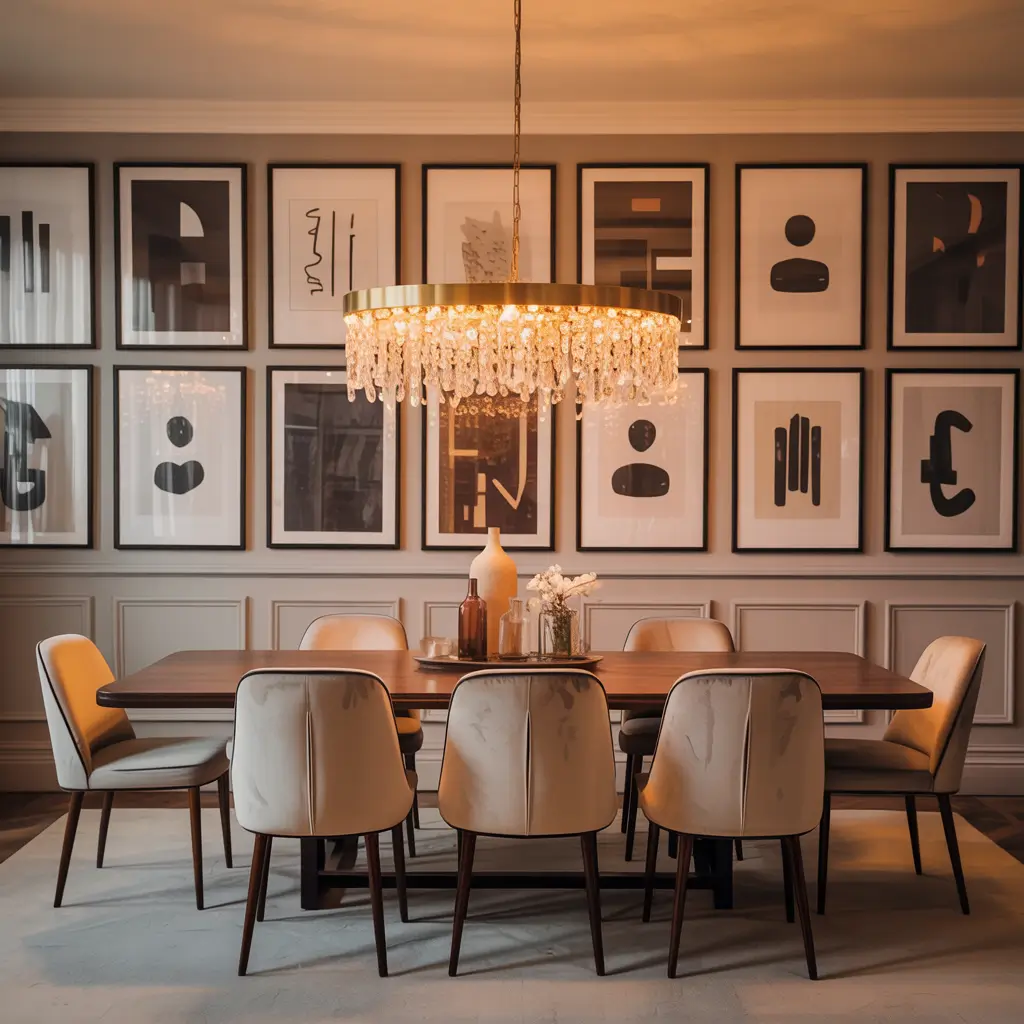
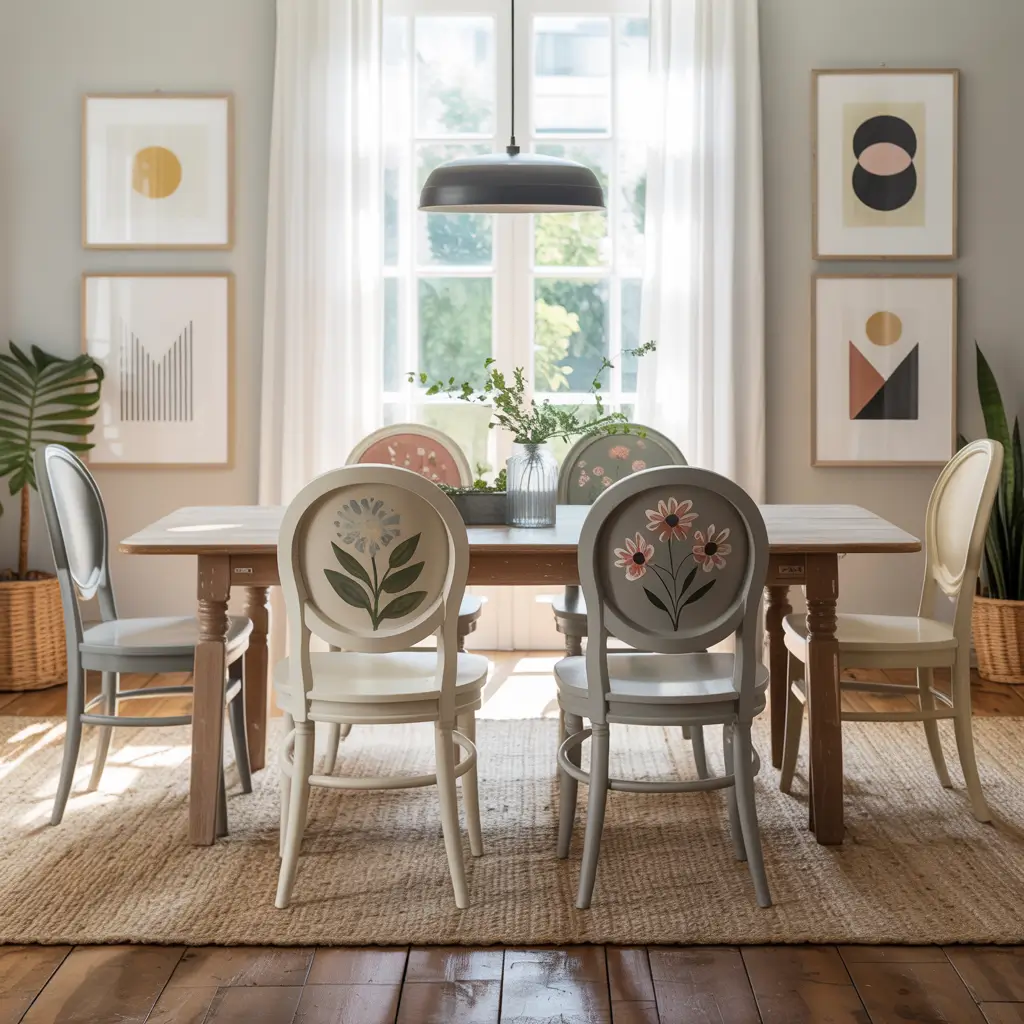
Gallery walls are having a serious moment, and honestly? They’re not going anywhere anytime soon. I remember my first attempt at creating one—it looked like I threw frames at the wall and called it art. But once you get the formula right, a gallery wall transforms your dining room from basic to breathtaking.
The trick here is mixing different frame sizes while maintaining a cohesive color scheme. You don’t want to go full chaos mode. Think of it like a puzzle where every piece matters. Start by laying out your frames on the floor first (trust me on this one), snap a picture with your phone, and then recreate that layout on the wall.
What makes a gallery wall “elegant” rather than just cluttered? Keeping a consistent theme. Whether you choose all black-and-white photography, family portraits, or abstract prints, stick with it. I usually recommend keeping your frames within the same color family—all gold, all black, or all natural wood. Mix the art, not the frames.
Pro tip: Leave about 2-3 inches between each frame for breathing room. You want sophistication, not a collage from your college dorm days.
Oversized Statement Art Dining Wall
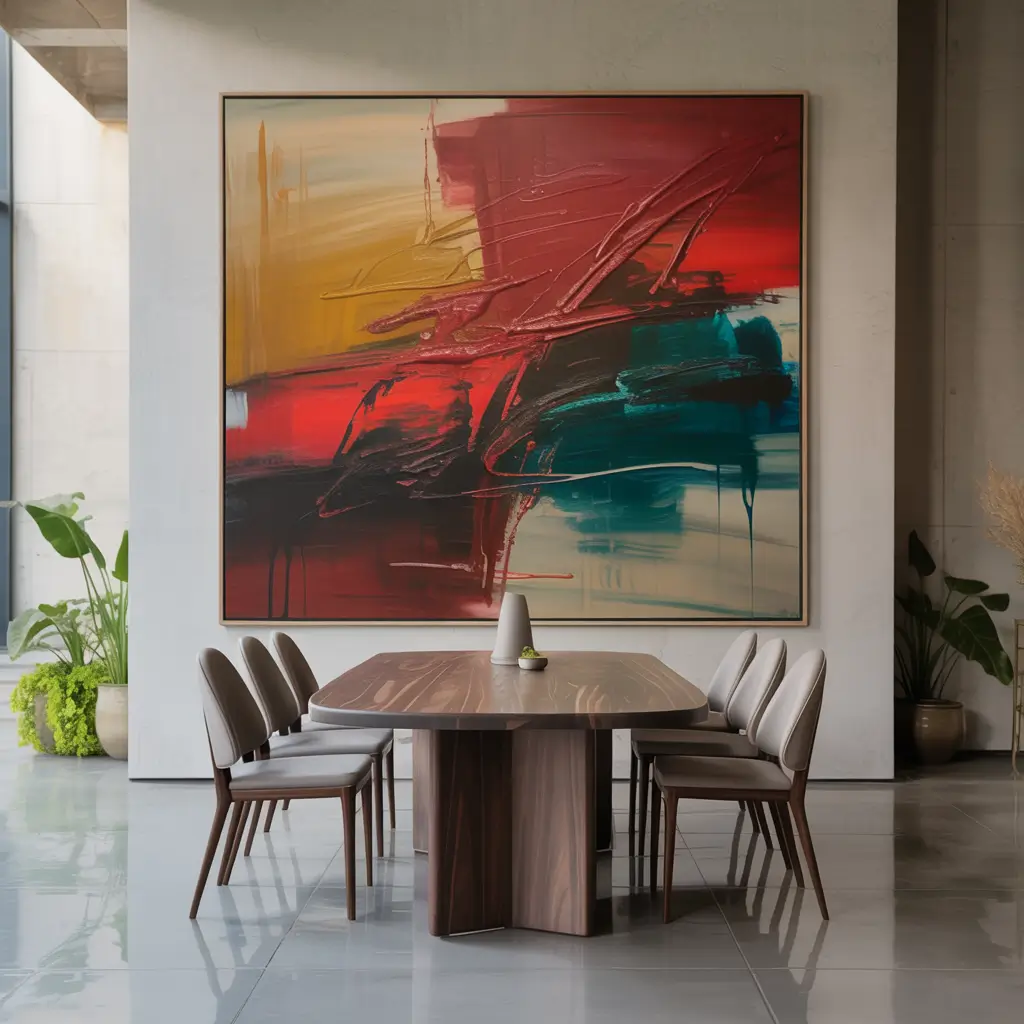
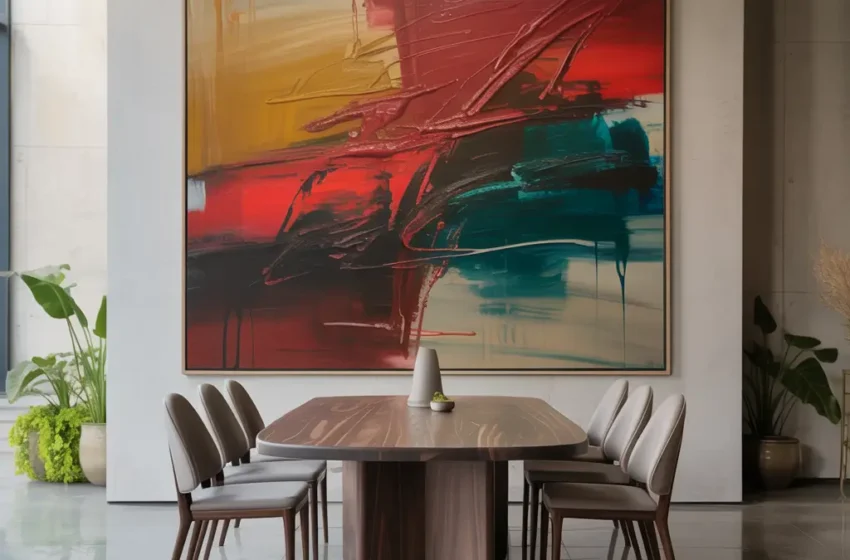
Ever walked into someone’s dining room and immediately thought, “Wow, they’ve got their life together”? Nine times out of ten, they’ve got a massive piece of art dominating one wall. Oversized statement art makes a bold declaration without saying a word.
I’m talking about pieces that are at least 40 inches wide or larger. These bad boys command attention and make your dining room feel intentional. The beauty of going big is that you skip the whole “how do I arrange multiple pieces” headache. One piece, one wall, done.
When choosing your statement art, consider your dining room’s color palette. You can either match it for a cohesive look or go completely opposite for drama. I once picked up a vibrant abstract piece with oranges and teals for my otherwise neutral dining room, and it became the conversation starter at every single dinner party.
Where do you find these pieces without selling a kidney? Local art fairs, online marketplaces, or even commission a local artist. FYI, many emerging artists offer incredible work at reasonable prices, and you’ll have a unique piece nobody else has.
Mirror Wall Decor for Dining Room
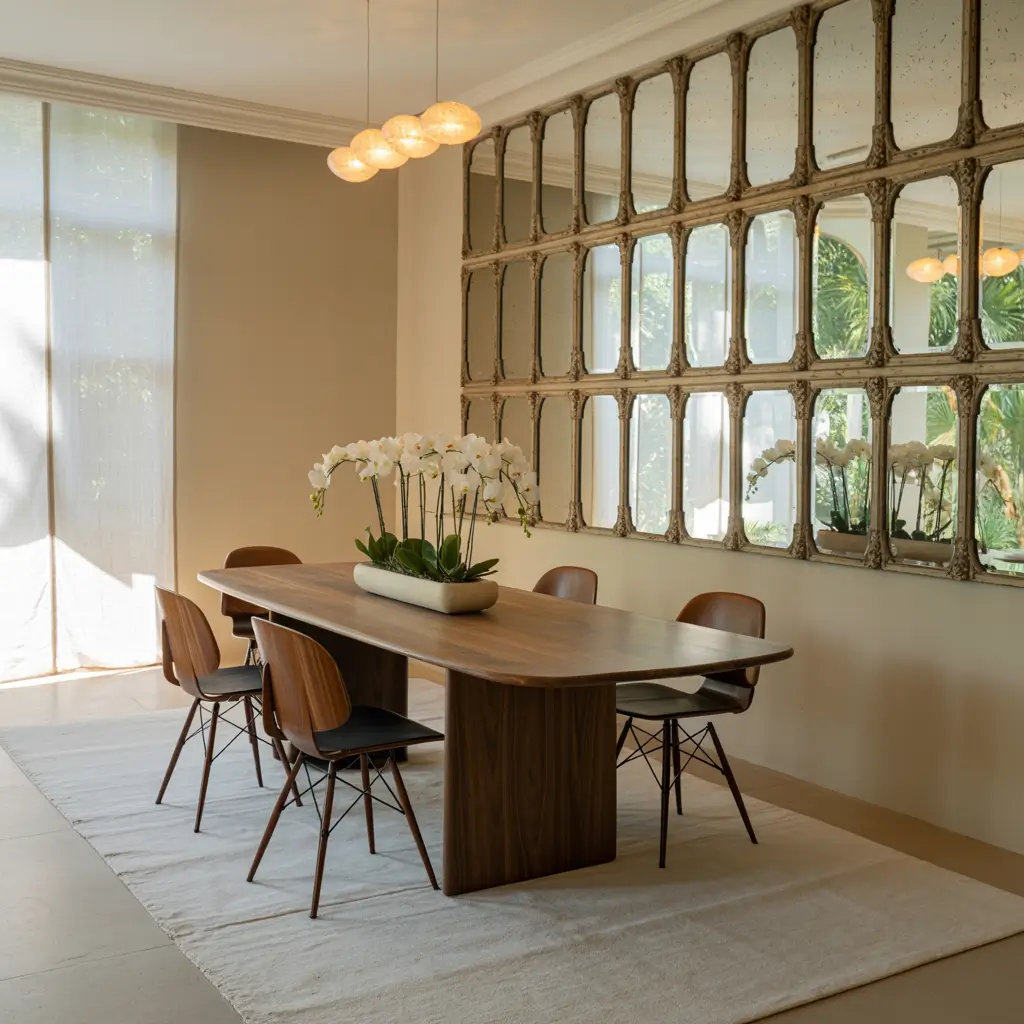
Mirrors are basically magic for dining rooms. They bounce light around, make small spaces feel bigger, and add instant elegance. Strategic mirror placement can literally double the perceived size of your dining area.
But here’s where people mess up: they slap one small mirror on the wall and wonder why it looks sad. Go big or go home with mirrors. Consider a large ornate mirror with a gilded frame for traditional elegance, or a sleek frameless option for modern vibes.
I tried the “multiple small mirrors arranged artistically” approach once, and you know what? It actually worked beautifully. I arranged five different-sized circular mirrors in an organic cluster pattern, and the effect was stunning. The key is variation in size but similarity in shape or finish.
Another killer move? Position your mirror to reflect something beautiful—a chandelier, a window with natural light, or your carefully styled buffet table. Don’t let it reflect the TV or a cluttered corner, because that defeats the whole purpose.
Floating Shelf Styled Dining Wall
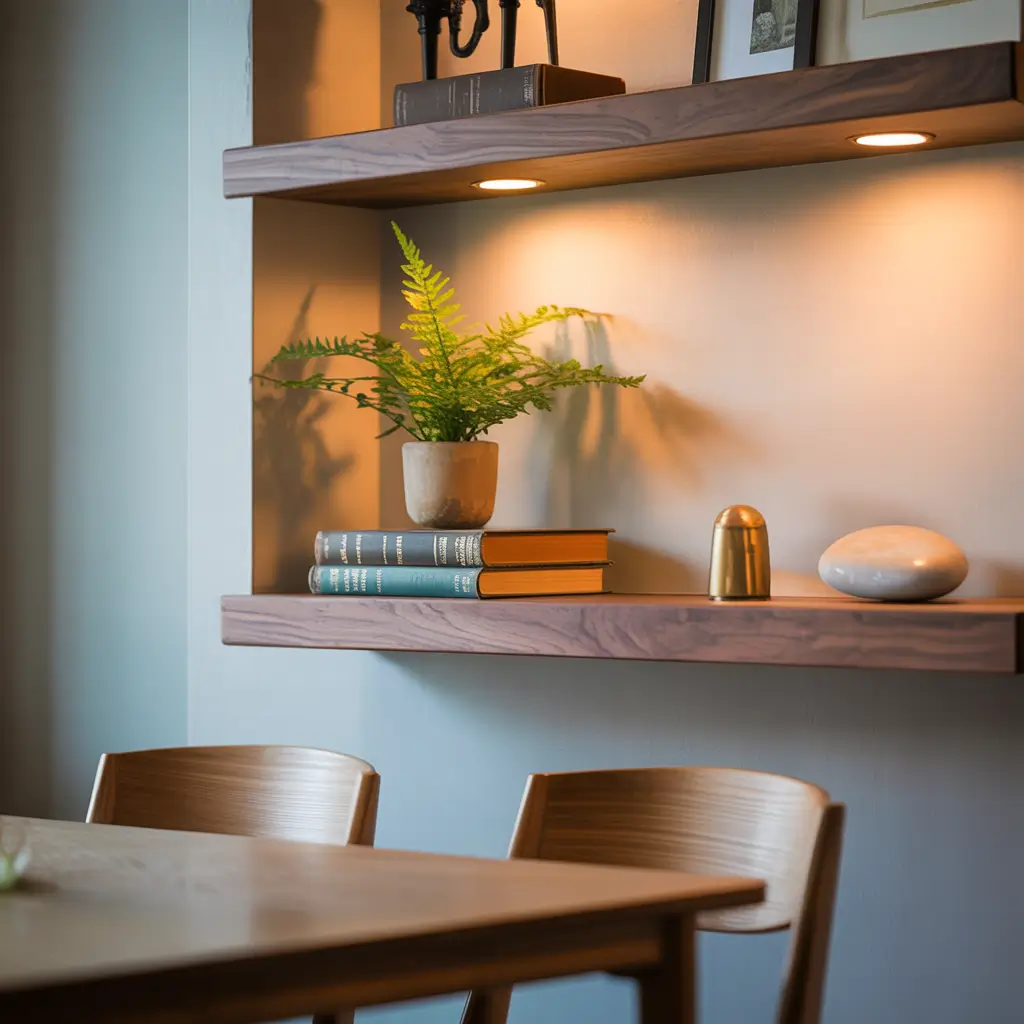
Floating shelves give you flexibility that permanent fixtures just can’t match. You can switch up the styling whenever you get bored (which, if you’re like me, happens seasonally). These shelves transform your wall into a functional art display.
The elegant approach involves keeping things curated and minimal. I’m not talking about cramming every knick-knack you own up there. Choose statement pieces—maybe a vintage vase, a small sculpture, some art books laid horizontally, and a trailing plant.
Here’s my formula for styling floating shelves elegantly:
- One tall item (vase, candlestick, or small artwork)
- One medium item (decorative bowl, stack of books)
- One trailing element (plant or beaded garland)
- Negative space (yes, empty space counts as decor)
I usually arrange shelves asymmetrically rather than centered. Two or three shelves at varying heights create more visual interest than a perfectly symmetrical setup. Play around with it until it feels right.
Farmhouse Plate Wall Display
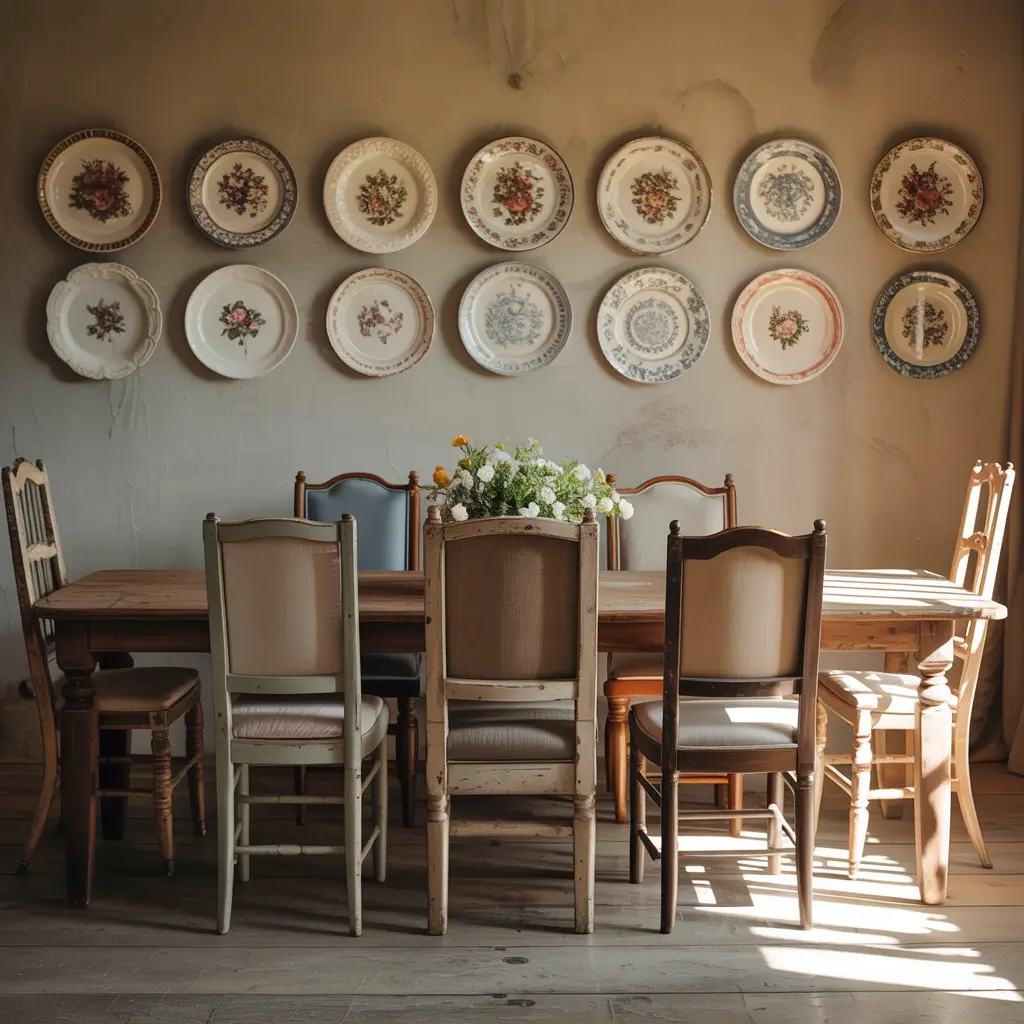
Okay, I know what you’re thinking—”Isn’t the farmhouse trend over?” But here’s the thing: a well-executed plate wall transcends trends. When done with restraint and intention, it looks timeless and elegant rather than Pinterest-y.
I started my plate wall with my grandmother’s vintage china plates, and honestly, the sentimental value makes them even more special. You don’t need expensive antiques though. Thrift stores are goldmines for unique plates at ridiculous prices.
The key to keeping it elegant? Stick to a cohesive color story. All white plates with different patterns? Gorgeous. Blue and white ceramics? Classic. Random colors everywhere? That’s a no from me. I learned this the hard way after buying every “cute” plate I found and creating what looked like a kindergarten art project.
Arrangement matters too. Sketch your layout on paper first, use plate hangers rated for the weight, and create a template with paper plates before committing to holes in your wall. Your landlord (or your sanity) will thank you.
Also Read: 15 Stunning Dining Room Decor Ideas for a Stylish Home
Modern Minimalist Dining Wall Panels
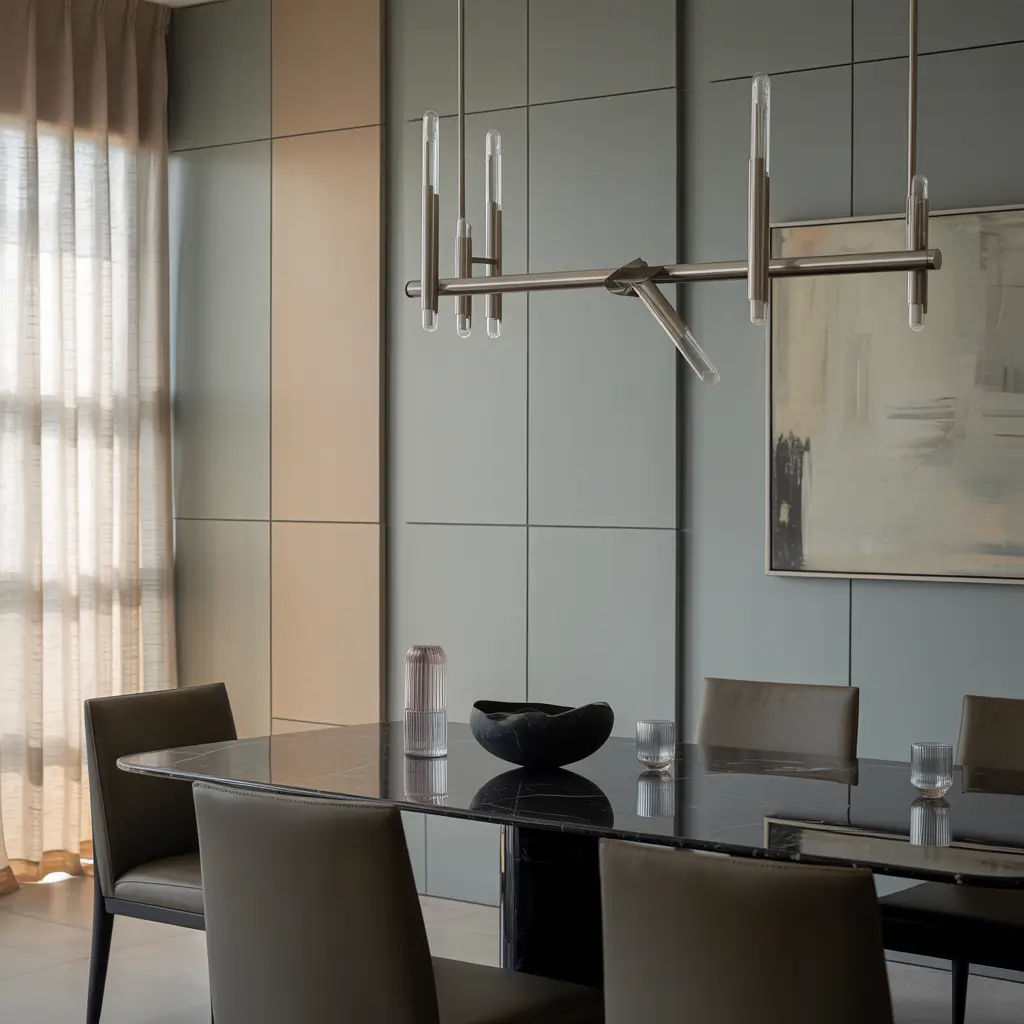
Sometimes less really is more, you know? Modern minimalist wall panels create texture and depth without visual clutter. These work particularly well if you’ve got a contemporary dining space or you’re just allergic to “stuff” everywhere.
Wall panels come in various materials—wood slats, 3D geometric designs, or even acoustic panels that double as sound dampeners (game-changer for echoey dining rooms). I installed vertical wood slat panels on my accent wall, and the transformation was ridiculous. Suddenly my dining room looked like it belonged in a design magazine.
The beauty of this approach is its sophistication through simplicity. You’re not arranging or styling anything—the panels ARE the art. Choose a finish that complements your furniture, and you’re set.
Installation varies by product, but many modern panels come with easy mounting systems. I went the DIY route with wood strips and spacers, and while it took a weekend, the cost savings were worth the effort. IMO, this gives you the most bang for your buck in terms of visual impact versus effort.
Botanical Dining Room Wall Decor
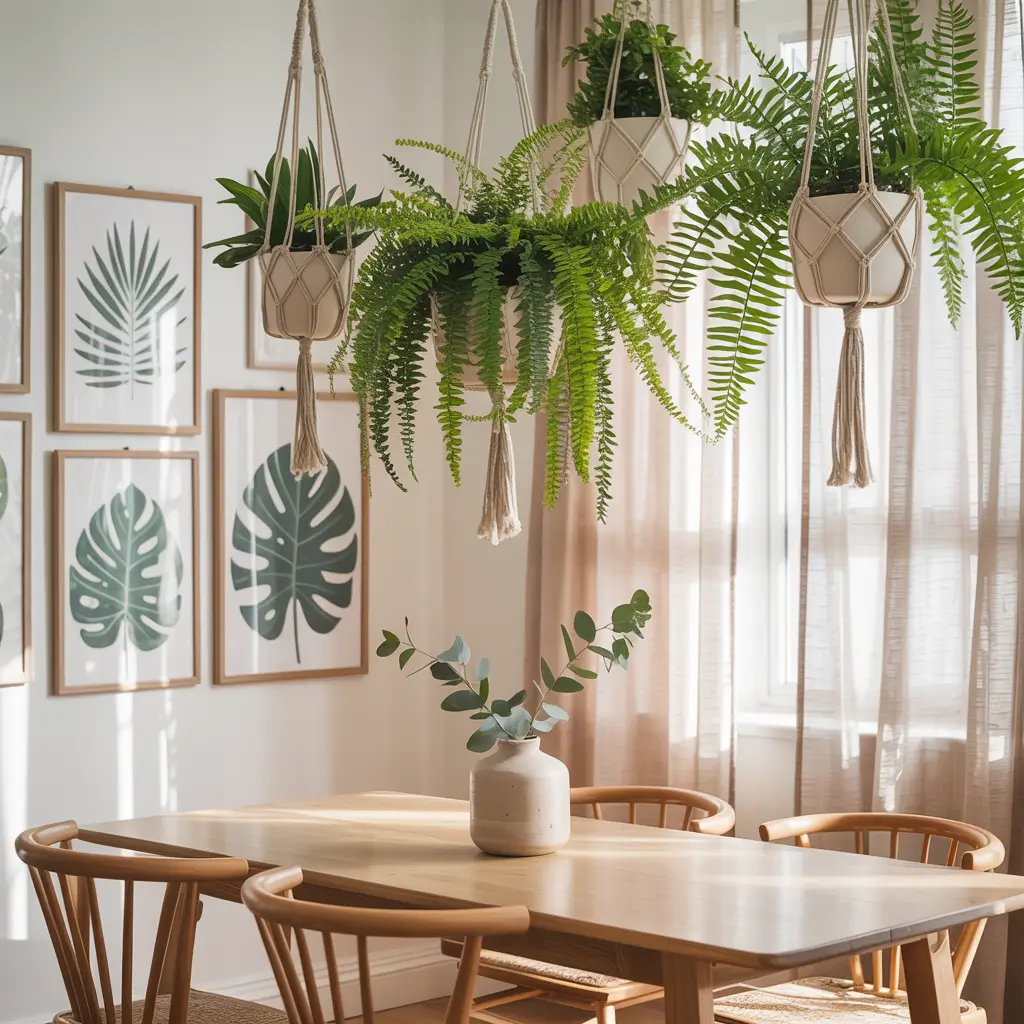
Nothing says “elegant” quite like bringing nature indoors. Botanical wall decor adds organic beauty and a fresh, sophisticated vibe to your dining space. I’m obsessed with this look because it works with virtually any style—traditional, modern, farmhouse, you name it.
You’ve got options here. Framed botanical prints offer a classic approach—think vintage illustrations of ferns, flowers, or herbs. I found a set of six pressed botanical prints at a local art market, framed them in simple black frames, and created a grid pattern on my wall. The effect? Chef’s kiss.
Real preserved plants take this concept up a notch. Mounted staghorn ferns, framed pressed flowers, or even a living plant wall (if you’re feeling ambitious) create stunning focal points. I tried the preserved eucalyptus in shadow boxes route, and the texture adds incredible depth.
Here’s what works for botanical elegance:
- Muted, natural color palettes (greens, browns, creams)
- Quality frames that don’t compete with the botanicals
- Symmetrical arrangements for traditional spaces
- Organic, flowing layouts for modern rooms
Vintage Frame Collage Dining Wall
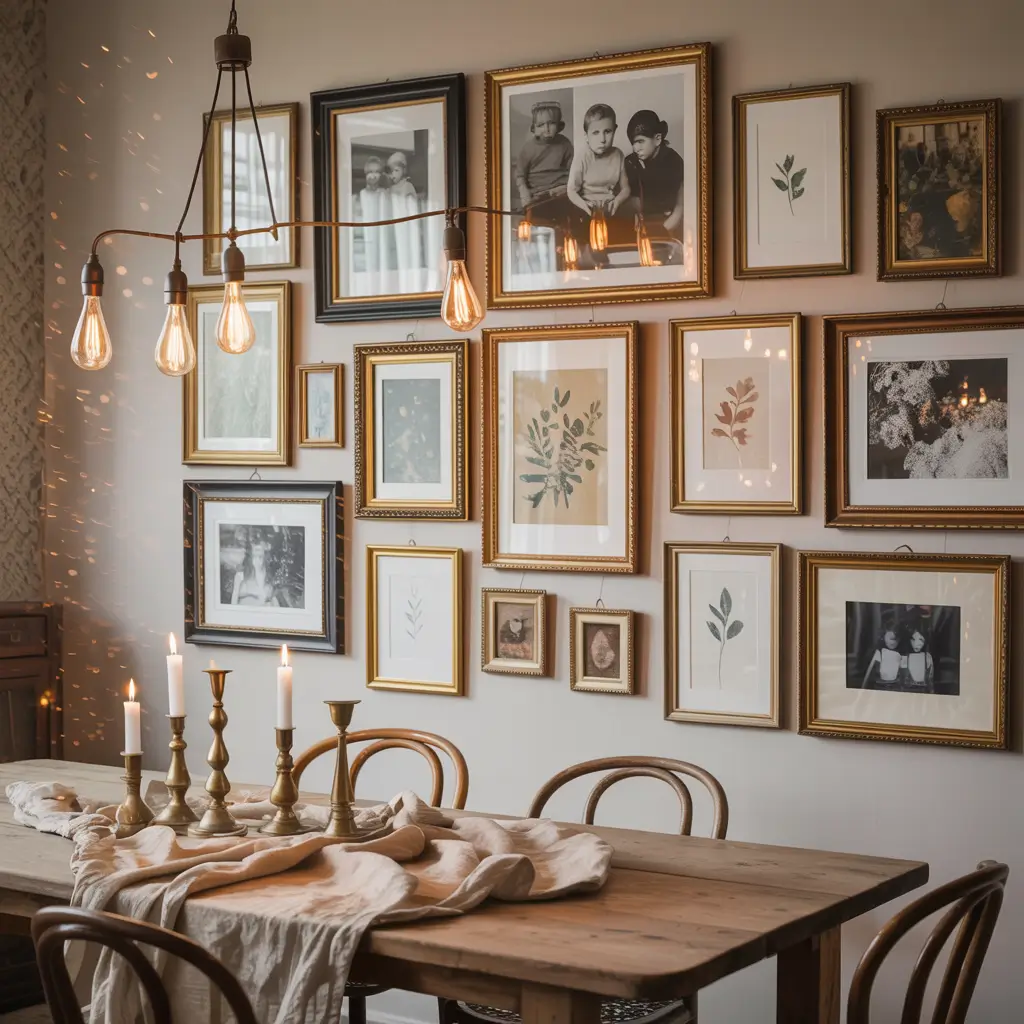
There’s something incredibly charming about mixing vintage frames with different patinas and styles. A vintage frame collage tells a story while adding character your dining room probably desperately needs (sorry, but those builder-grade walls aren’t doing you any favors).
I hunt for vintage frames at estate sales, flea markets, and antique stores. The imperfections—chipped paint, tarnished gold, weathered wood—add to their appeal. You can leave them empty as sculptural elements, or fill them with family photos, artwork, or even fabric or wallpaper scraps.
The magic happens when you mix different frame styles while maintaining one unifying element. Maybe they’re all gold-toned but different styles, or all ornate but different sizes. I grouped mine by keeping everything within a warm metallic family—brass, copper, and gold—and the cohesion works despite the variety.
Hang them salon-style (tightly grouped) for maximum impact. Start with your largest frame as the anchor, then build around it. I spent an embarrassing amount of time arranging and rearranging, but perfection takes patience 🙂
Sculptural Wall Art Dining Accent
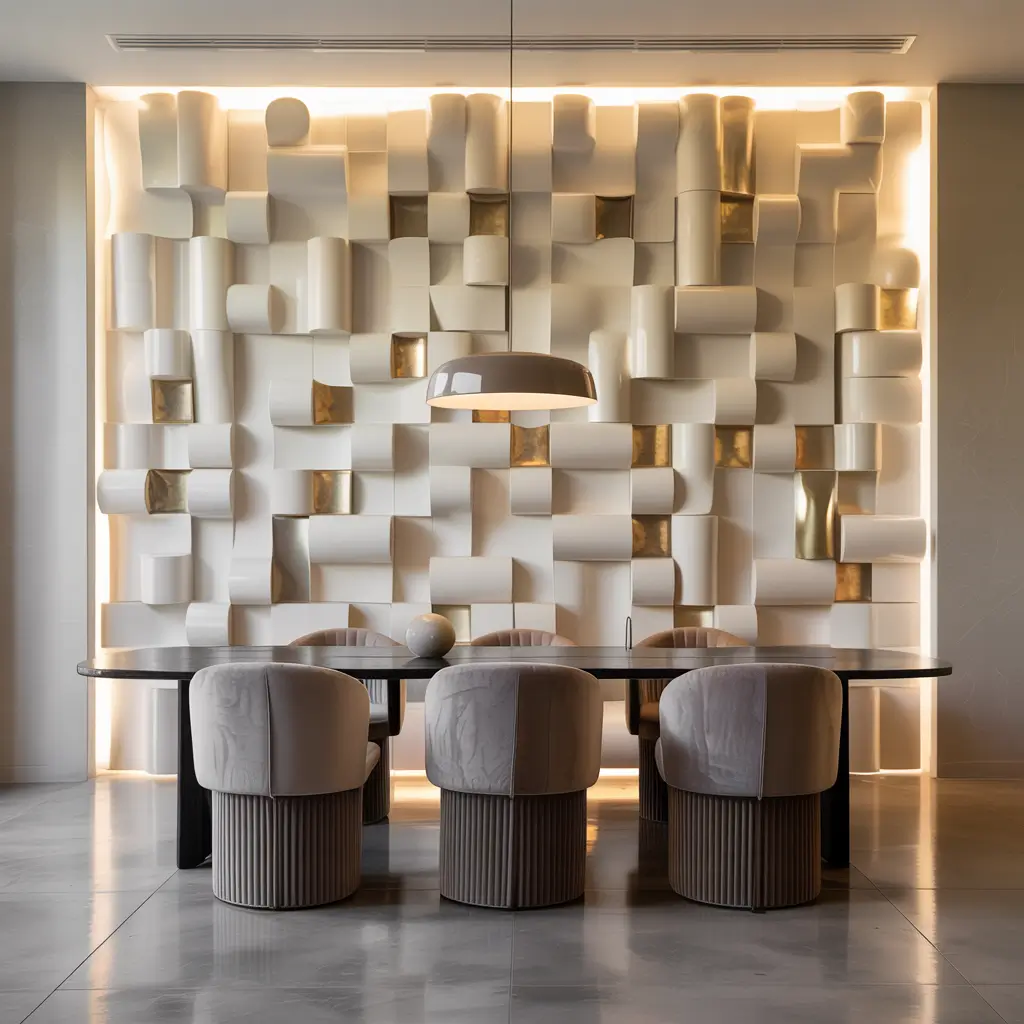
Why settle for flat when you can go three-dimensional? Sculptural wall art adds drama and texture that paintings and prints simply can’t achieve. This is your chance to get creative and unexpected.
I’m talking about metal wall sculptures, ceramic installations, wood carvings, or abstract 3D pieces. I installed a large metal sunburst mirror sculpture above my buffet, and the shadows it creates throughout the day are constantly changing the room’s vibe.
When selecting sculptural pieces for a dining room, consider scale carefully. You want it substantial enough to make a statement but not so massive it overwhelms the space. I usually recommend pieces that take up about two-thirds of your available wall width—leaving some breathing room on either side.
Materials matter for elegance. Opt for metal finishes like brushed brass, aged bronze, or matte black for sophistication. Painted wood can work beautifully in certain styles, while ceramic or stone pieces add organic elegance.
Pro tip: Sculptural art often looks best as a standalone focal point rather than mixed with other wall decor. Let it shine on its own.
Rustic Wood Panel Dining Wall
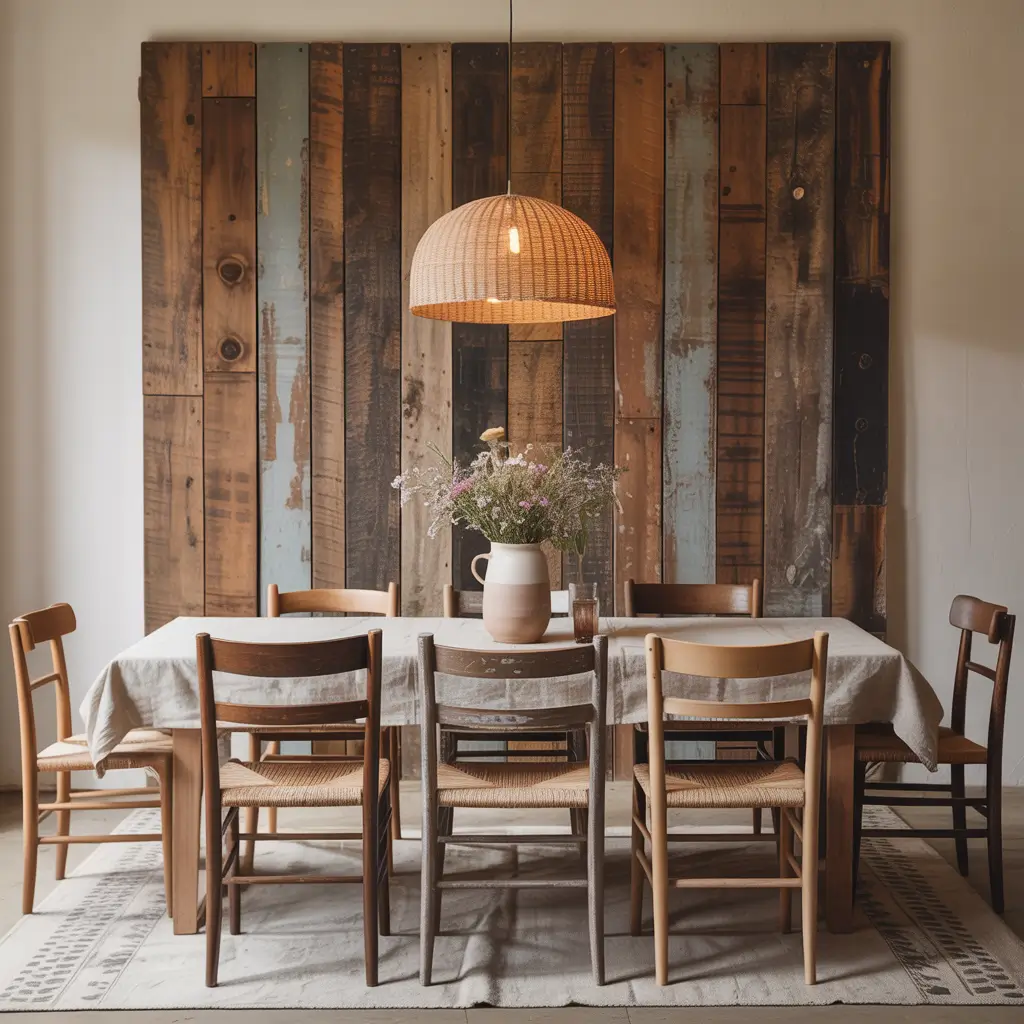
Rustic doesn’t have to mean rough or unrefined. Done thoughtfully, a rustic wood panel wall brings warmth and organic texture while maintaining elegance. I added reclaimed wood planks to one wall, and the depth and richness transformed my entire dining experience.
You’ve got choices here—horizontal planks for a shiplap look, vertical boards for height emphasis, or even a herringbone pattern if you’re feeling fancy. The wood type and finish determine whether you land on “elegant rustic” or “literal barn.”
I went with weathered barnwood in varying widths, installed horizontally with slight spacing between boards. The natural grays and browns create a sophisticated backdrop that makes my modern dining furniture pop. Finishing with a matte sealant protects the wood while maintaining that raw, organic feel.
Here’s what keeps rustic wood elegant:
- Consistent color tones (don’t mix orangey pine with gray oak)
- Quality installation (wonky boards = amateur hour)
- Balanced with refined elements (pair rustic walls with sleek furniture)
- Proper spacing and alignment (precision matters)
Also Read: 15 Luxury Formal Dining Room Ideas and Glamorous Details
Gold Accent Luxury Dining Wall Decor
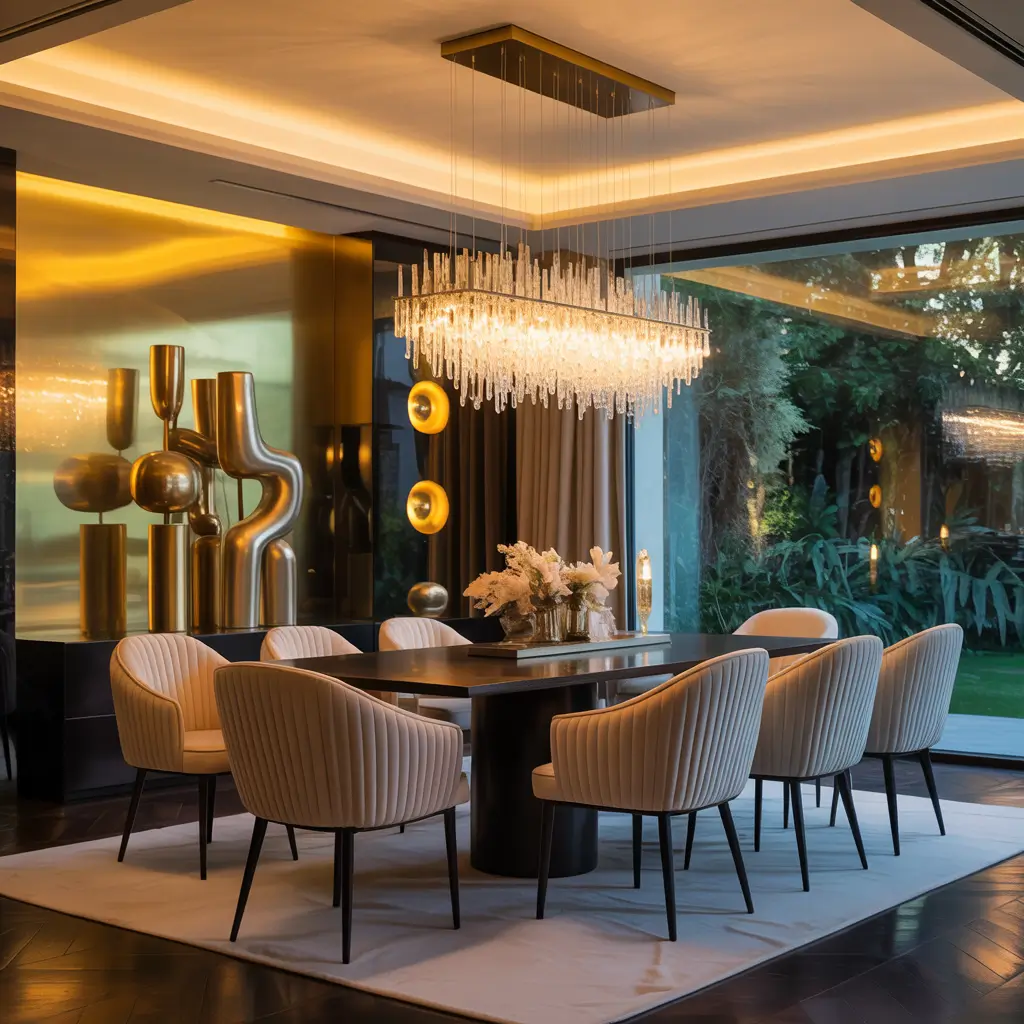
Want instant luxury? Add gold. I’m serious—gold accents elevate any dining room from nice to “wow, you fancy” faster than any other design choice. But here’s the catch: you need restraint. Too much gold crosses from elegant into tacky faster than you can say “Versace explosion.”
I incorporated gold through a combination of framed mirrors with gold leaf frames, gold-finished sconces, and a stunning abstract painting with gold metallic accents. The key is letting gold be the accent, not the entire story.
Consider these gold wall decor options:
- Gold-framed mirrors (ornate for traditional, sleek for modern)
- Metallic gold artwork or prints
- Gold wall sconces (functional lighting that decorates)
- Mixed metallics with gold as the dominant tone
- Gold leaf accent wall (just one wall, people!)
The finish matters too. Brushed or matte gold reads more sophisticated than shiny, reflective gold. I learned this after installing super shiny gold frames that looked like cheap costume jewelry. Swapping them for antiqued brass frames made all the difference.
Pair gold with neutrals like navy, charcoal, white, or deep green for maximum elegance. These colors let gold shine without competing.
Black and White Photo Dining Gallery
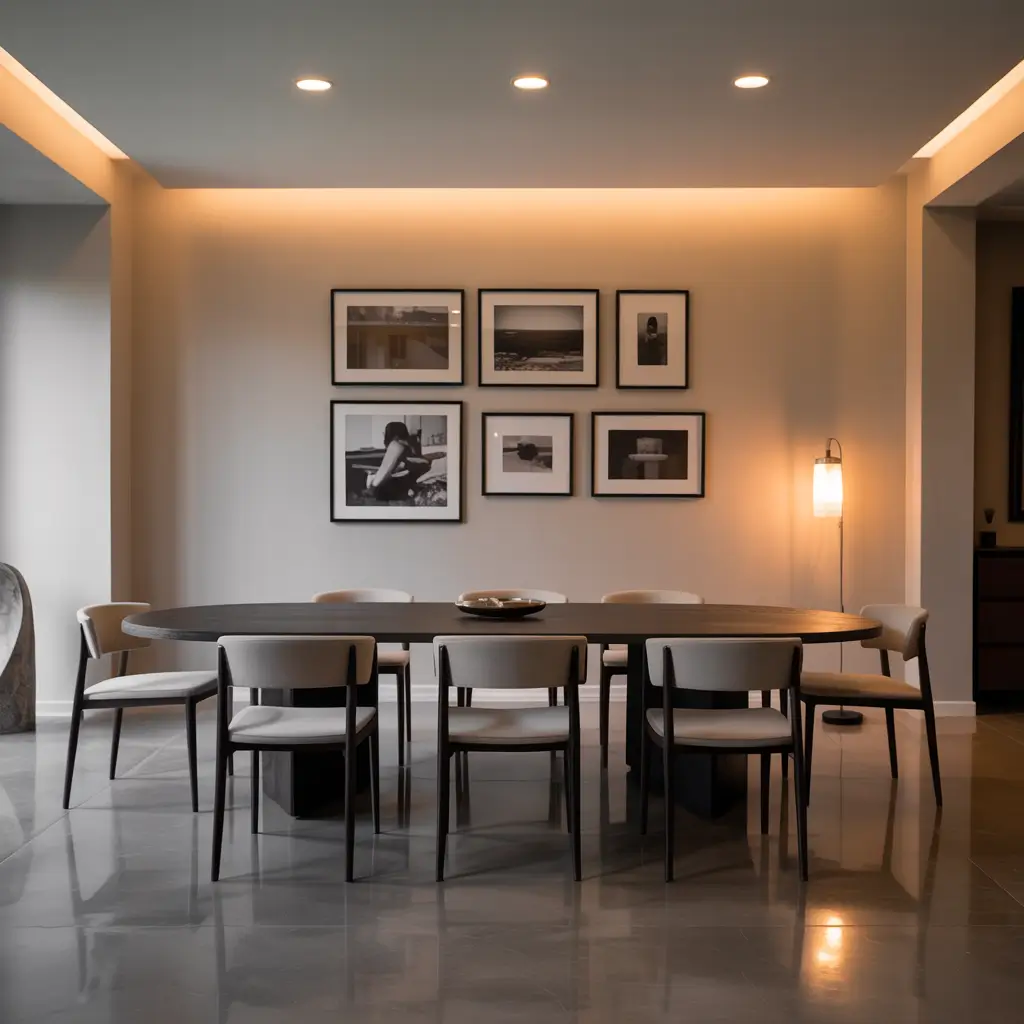
Classic, timeless, and endlessly sophisticated—a black and white photo gallery brings artistic refinement to your dining room without the risk of clashing colors. I created one using family photos, travel shots, and some iconic photography prints, and it never fails to impress guests.
The monochromatic palette means you can mix different subjects without creating visual chaos. Beach landscapes next to city architecture next to portraits? Totally works when everything’s black and white.
Here’s my approach for maximum elegance:
- Consistent matting (white mats create cohesion)
- Uniform frame style (all black, all white, or all natural wood)
- Varied photo sizes (boring if everything’s identical)
- Professional printing (drugstore prints won’t cut it for elegance)
I arranged mine in a grid pattern for a modern gallery feel, but asymmetrical arrangements work beautifully too. The black and white palette gives you freedom to experiment with layout without worrying about balance.
Consider mixing photography with black and white abstract art or graphic prints. I added a few geometric prints among my photos, and the variety keeps things interesting while maintaining the monochromatic theme.
Textured Fabric Wall Decor Dining Room
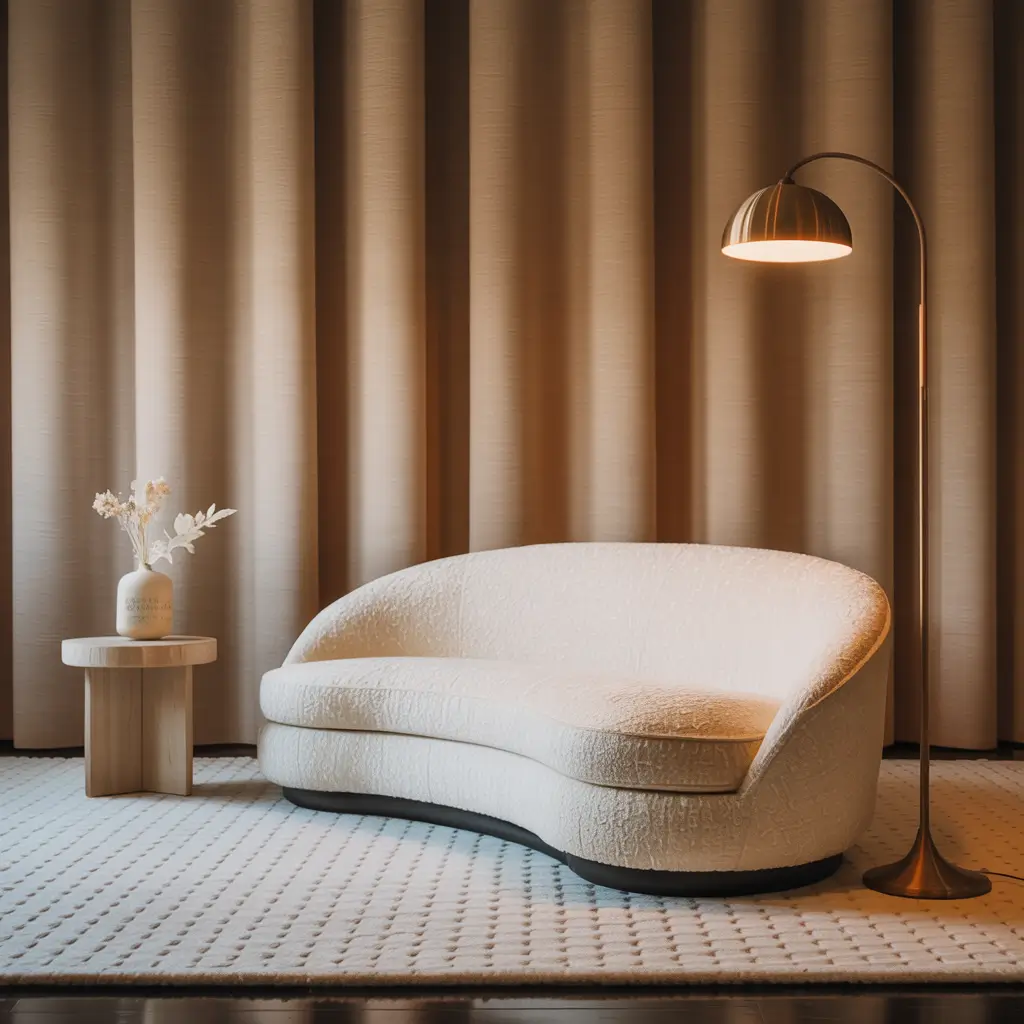
Fabric on walls might sound unconventional, but textile art brings warmth, sound absorption, and unexpected elegance to dining spaces. I’m talking about woven wall hangings, framed fabric panels, or even upholstered wall sections.
Tapestries have made a serious comeback, and I’m here for it. A large woven tapestry with neutral tones and organic patterns adds softness to balance hard dining furniture. I hung a cream and taupe macramé wall hanging behind my dining table, and the texture creates such a cozy, elevated atmosphere.
Other fabric options include:
- Framed vintage textiles or embroidery
- Upholstered wall panels (amazing for acoustics)
- Quilts or textile art (functional art with history)
- Modern fiber art (woven pieces by contemporary artists)
The key to keeping fabric decor elegant is choosing quality materials and intentional designs. Avoid anything too busy or bright unless that’s specifically your vibe. Natural fibers like linen, wool, and cotton in neutral or muted tones typically read more sophisticated than synthetic materials.
Installation varies—some pieces hang from rods, others need professional mounting. I mounted mine using a wooden dowel and leather cord for a casual-but-refined look.
Wainscoting Feature Dining Wall Design
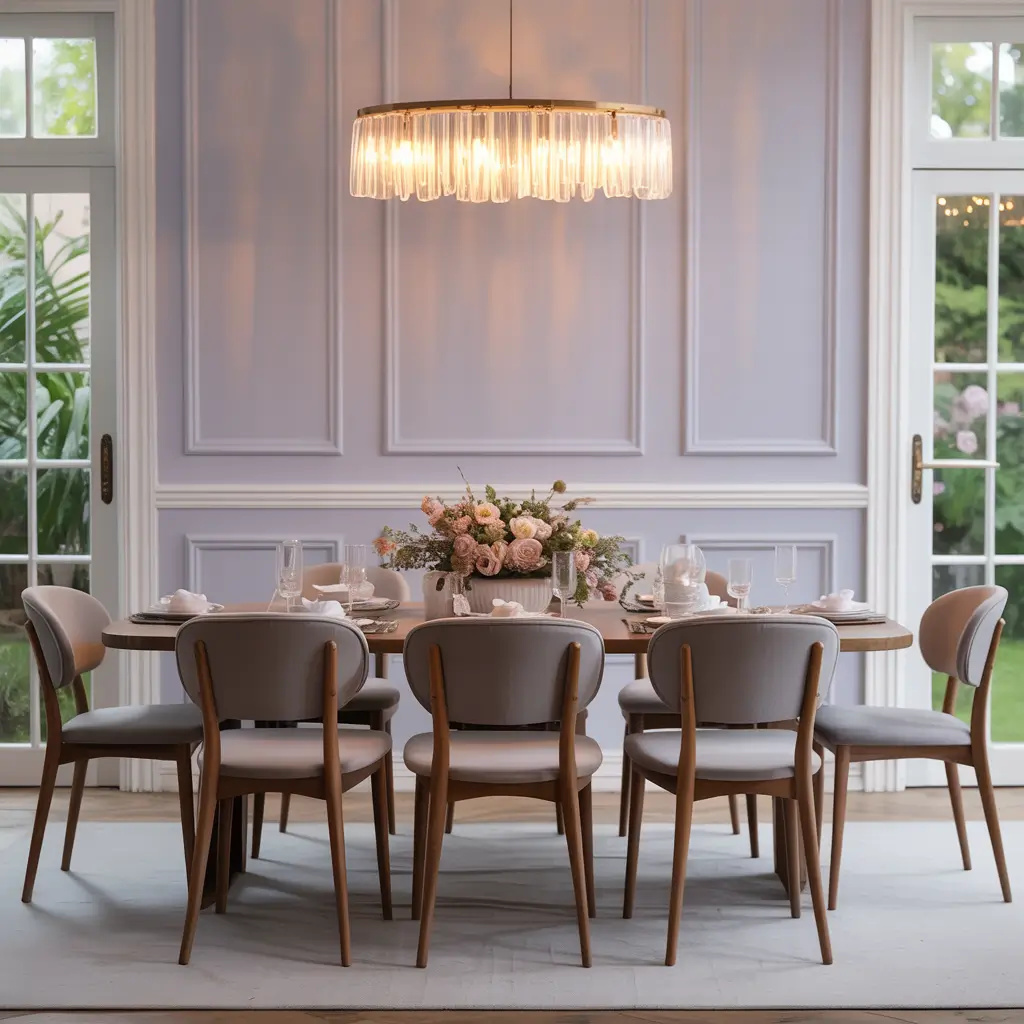
Wainscoting screams elegance and architectural interest. This classic wall treatment adds dimension and sophistication that flat walls simply can’t match. I installed board and batten wainscoting on my lower walls, painted it crisp white, and the traditional elegance is everything.
You’ve got style options here:
- Raised panel wainscoting (traditional and formal)
- Board and batten (casual elegance with clean lines)
- Beadboard (cottage charm with sophistication)
- Picture frame molding (creates wall “frames” for art or paint)
The typical approach puts wainscoting on the lower third of the wall (roughly 32-36 inches high), with paint or wallpaper above. I went with a two-tone approach—white wainscoting below, soft sage green above—and the contrast creates beautiful visual interest.
Installation requires some carpentry skills, but DIY-friendly kits exist. I hired a handyman for mine because precise cuts and level installation matter hugely for the polished look you’re after. Sloppy wainscoting is worse than no wainscoting.
Paint it in a color slightly different from your walls for subtle elegance, or go bold with contrasting colors. Either way, wainscoting adds perceived value and timeless style to your dining room.
Mixed Metal Dining Room Wall Decor
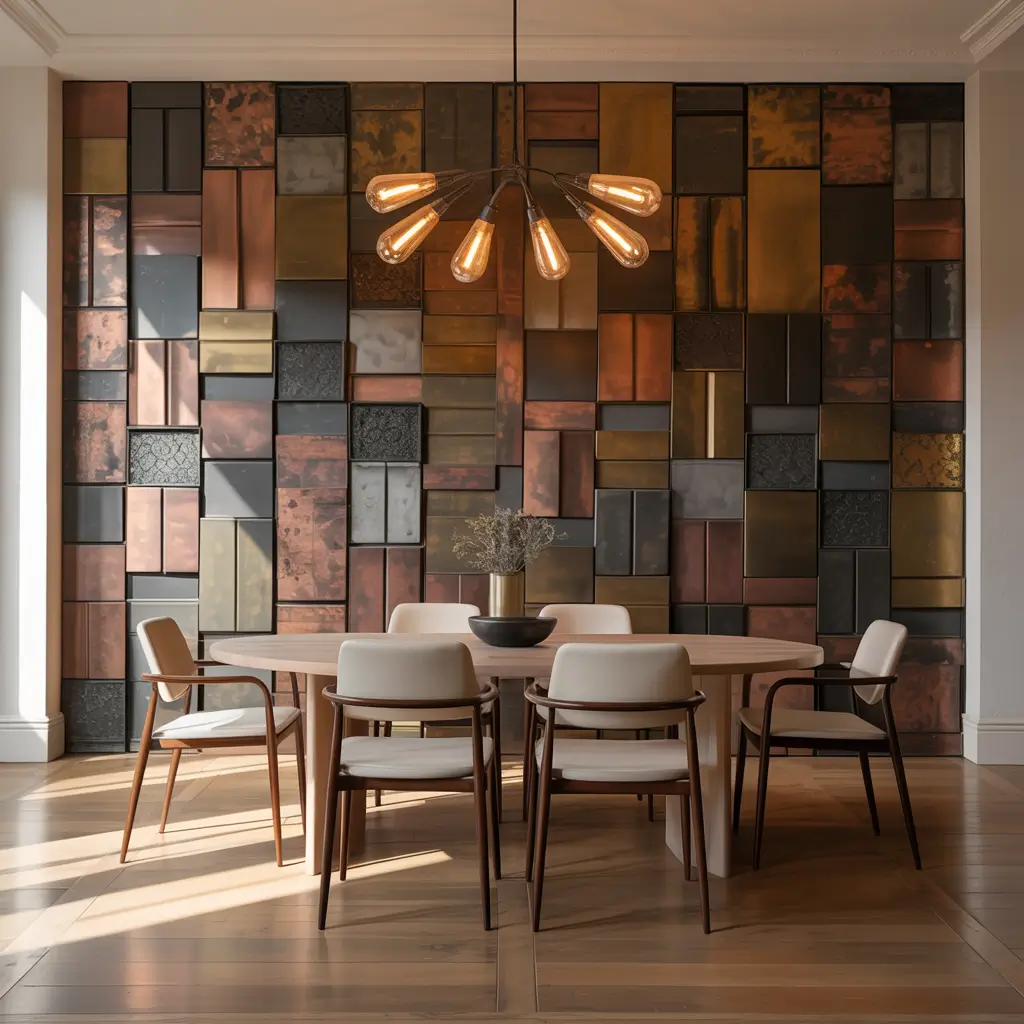
Who says you have to pick just one metal? Mixing metals creates sophisticated, layered elegance when you do it thoughtfully. I combined brass sconces, a copper-framed mirror, and black metal wall art, and the mix feels curated rather than confused.
The trick is choosing metals that share undertones or finishes. Warm metals (brass, copper, gold) mix beautifully together. Cool metals (chrome, nickel, stainless) also play nicely together. You can even bridge warm and cool with a neutral like black or aged metal finishes.
Here’s my ratio rule: Pick one dominant metal (60% of your metallic elements), one secondary metal (30%), and one accent metal (10%). This creates hierarchy and prevents the “I grabbed everything shiny” look.
I used brushed brass as my dominant metal through frames and light fixtures, added copper accents through small decorative pieces, and threw in touches of matte black metal through wall art and hardware. The varying finishes and tones create depth while maintaining cohesion.
Don’t forget about finish variation within the same metal. Polished brass, brushed brass, and antique brass together add subtle interest without clashing. This approach gives you freedom to layer metallic elements without overthinking it.