15 Inspiring Green Dining Room Ideas and Trendy Decor
- Dining Room Decor
 Alina
Alina- 0
- 40 minutes read

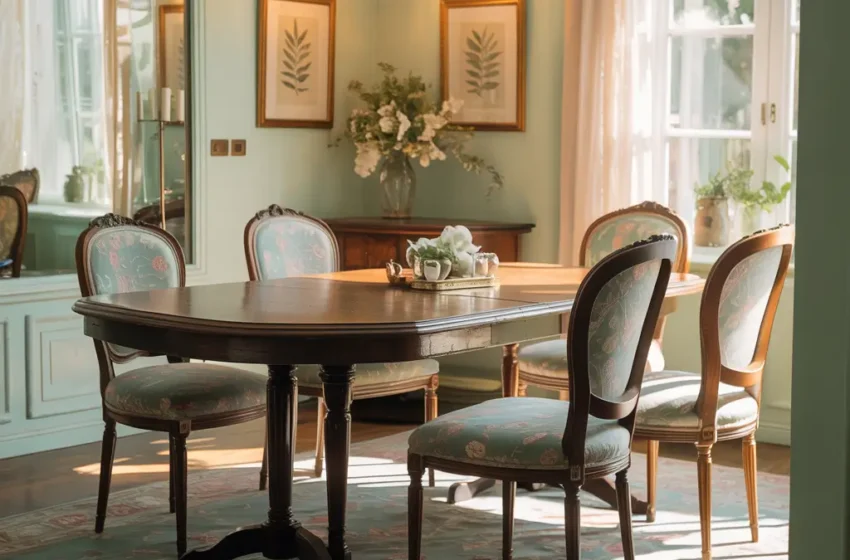
So you’re thinking about going green with your dining room? Smart move! Green has officially claimed its throne as one of the most versatile, calming, and downright gorgeous colors you can splash across your dining space. I’ve spent way too many hours scrolling through design inspiration (my husband thinks I have a problem 🙂 ), and honestly, green dining rooms hit differently than any other color scheme.
Here’s the thing—green isn’t just one vibe. You’ve got everything from sage whispers that barely register as color to emerald statements that practically shout “look at me!” And that’s exactly why I’m pumped to walk you through 15 different ways to make green work in your dining room. Whether you’re channeling minimalist zen or maximalist chaos, there’s a green dining room style calling your name.
1. Sage Green Minimalist Dining Room

Let’s kick things off with the crowd favorite—sage green minimalism. This look screams sophistication without actually screaming, if you know what I mean.
I painted my own dining room in a soft sage last year, and the compliments haven’t stopped. The beauty of sage green lies in its chameleon-like quality. It reads almost neutral but gives you that subtle pop of color that white or beige just can’t deliver.
For a minimalist approach, you want to keep things clean and intentional. Think simple wooden dining tables—preferably in light oak or ash—paired with streamlined chairs. I’m talking about those Scandi-style chairs with thin legs and zero fuss. The sage walls provide the perfect backdrop without competing for attention.
Key Elements for Sage Minimalism:
- Matte sage wall paint (skip the glossy finishes here)
- Light wood furniture in natural tones
- White or cream textiles for contrast
- Minimal decor—maybe one statement vase or a single piece of art
- Pendant lighting in brass or matte black
The trick? Resist the urge to fill every corner. Empty space actually works WITH the sage, not against it. Trust me on this one—less really is more.
2. Emerald Luxury Dining Room

Now we’re talking drama! If sage is the quiet introvert, emerald is the life of the party wearing velvet and diamonds.
Emerald green brings instant luxury to any space. I once visited a friend’s newly renovated brownstone, and her emerald dining room literally made me gasp. The richness of deep emerald walls combined with the right accents creates this jewel-box effect that makes every dinner feel like an event.
You’ll want to lean into the opulence here. Velvet dining chairs in emerald or complementary colors like navy or burgundy work beautifully. Add a marble dining table or one with a high-gloss finish. The reflection plays off the deep green in the most satisfying way.
Luxe Touches to Consider:
- Velvet upholstered chairs (bonus points for tufted backs)
- Gold or brass hardware and fixtures
- Crystal chandelier or geometric pendant lights
- Mirrored or metallic accents
- High-contrast white trim and molding
FYI, emerald shows fingerprints and scuffs more than lighter greens, so you might want to opt for emerald walls or textiles rather than painted furniture if you’ve got kids running around.
3. Olive Green Farmhouse Dining Space

Olive green gives me all the cozy, rustic vibes. This shade works incredibly well with farmhouse aesthetics because it feels earthy and lived-in without looking dated.
The farmhouse look thrives on mixing old and new, rough and refined. Your olive green can show up on the walls, or you might incorporate it through textiles and decor pieces. Either way, pair it with reclaimed wood, distressed finishes, and lots of texture.
I’m obsessed with the combo of olive walls and a chunky farmhouse table in weathered wood. Throw in some vintage-inspired ladder-back chairs, and you’ve got yourself a dining room that feels like it’s been in the family for generations (even if you bought everything last month—I won’t tell).
Farmhouse Must-Haves:
- Reclaimed or distressed wood furniture
- Olive green walls or cabinet paint
- Open shelving with displayed dishes
- Woven baskets and natural fiber rugs
- Mason jar lighting or industrial pendants
- Fresh greenery and dried botanicals
The beauty of the farmhouse style? It actually looks BETTER when things don’t match perfectly. Embracing imperfection is basically the whole point.
4. Dark Green Moody Dining Room

Ever wondered why moody interiors have taken over Instagram? Because they’re absolutely stunning, that’s why.
Dark green creates instant atmosphere. We’re talking hunter green, forest green, or even a deep teal-leaning green. These shades transform your dining room into an intimate, cocoon-like space that’s perfect for long dinner parties and meaningful conversations.
I’ll be honest—I was terrified to go dark in any room for the longest time. Doesn’t it make spaces feel smaller? Actually, no. When done right, dark walls create depth and can make boundaries feel less defined, which sometimes makes rooms feel larger. Mind. Blown.
The key to pulling off moody green? Excellent lighting and strategic contrast. You need multiple light sources—overhead, table lamps, wall sconces—to prevent the space from feeling cave-like.
Moody Room Essentials:
- Dark green paint in matte or eggshell finish
- Layered lighting at different heights
- Light-colored ceiling (usually white or cream)
- Metallic accents in gold, brass, or copper
- Rich wood tones or black furniture
- Texture through fabrics and materials
Pair your dark green with warm metals and you’ll create a space that feels like an upscale restaurant right in your home. Chef’s kiss!
5. Green and Gold Glam Dining Room

Speaking of gold—let’s talk about the green and gold combination that’s been ruling the design world lately.
This pairing screams glamour. Whether you choose sage, emerald, or something in between, adding gold elements elevates the entire space. Gold catches the light and creates these warm, glowing moments that make your dining room feel expensive (even on a budget—and IMO, that’s the real magic trick).
I added gold-framed mirrors and brass candlesticks to my dining space, and the transformation was immediate. Suddenly, everything looked more intentional, more curated, more “I definitely didn’t panic-buy this the night before guests arrived.”
Glam Gold Additions:
- Gold-framed mirrors to bounce light around
- Brass or gold lighting fixtures
- Gold flatware and serving pieces
- Metallic gold wallpaper or accents
- Marble surfaces with gold veining
- Champagne or gold-toned glassware
The ratio matters here. You don’t want 50/50 green and gold—that’s overwhelming. Think 70% green, 30% gold accents. Let the gold be the jewelry, not the outfit.
Also Read: 15 Stunning Mid Century Modern Dining Room Ideas for Stylish Homes
6. Botanical Green Nature-Inspired Dining Room

This one’s for the plant parents out there (you know who you are).
A botanical green dining room takes inspiration directly from nature. You’re not just adding green color—you’re creating an entire ecosystem vibe. Think tropical leaves, ferns, garden-fresh energy.
The wonderful thing about going botanical? You can layer multiple shades of green without it feeling chaotic. Nature does this all the time, mixing lime, sage, emerald, and olive in the same view. Your dining room can too.
Botanical Design Elements:
- Botanical print wallpaper or large-scale leaf patterns
- Actual plants (lots of them!)
- Natural materials: rattan, bamboo, jute
- Organic shapes in furniture and decor
- Green-printed textiles on chairs or curtains
- Wooden elements in natural finishes
I went a bit crazy with this approach in my breakfast nook—added a living wall, hanging plants, botanical prints, the works. Now every meal feels like eating in a garden, which honestly makes salad way more appealing.
7. Two-Tone Green Dining Room Walls

Can’t commit to just one shade? Two-tone walls let you have your cake and eat it too.
The most popular approach? Darker green on the bottom, lighter on top, split by chair rail molding. But I’ve also seen stunning examples of vertical splits, geometric divisions, and color-blocked walls that completely change the room’s proportions.
Two-toning adds architectural interest to otherwise plain walls. It draws the eye and creates visual movement. Plus, it’s a sneaky way to incorporate a bold color you love without fully committing to four walls of it.
Two-Tone Success Tips:
- Use painter’s tape for crisp, clean lines
- Consider a chair rail or picture rail at the split
- Balance the proportions (usually ⅓ dark, ⅔ light or vice versa)
- Keep furniture simple so walls can shine
- Choose shades from the same color family for cohesion
I’ve seen people get wild with this—pairing sage with emerald, olive with mint. As long as they share similar undertones (both warm or both cool), it works!
8. Green Accent Wall Dining Room

Not ready to commit all four walls to green? The accent wall is your best friend.
This approach gives you maximum impact with minimum risk. Choose the wall behind your dining table or buffet—basically, the wall you see when you enter the room. Paint it green, wallpaper it, or even add wood paneling painted green.
I love accent walls because they create a focal point without overwhelming the space. Your dining table suddenly has a dramatic backdrop, and everything displayed against that wall pops.
Accent Wall Ideas:
- Bold emerald or forest green for drama
- Textured paint techniques for depth
- Board and batten painted green
- Shiplap or paneling in green tones
- Peel-and-stick wallpaper (renter-friendly!)
Keep the other three walls neutral—white, cream, or soft gray. This lets your green accent wall do all the talking while maintaining visual balance.
9. Modern Green and Wood Dining Room

The combination of green and natural wood feels both modern and timeless. It’s grounded, warm, and incredibly versatile.
This pairing works because green and wood coexist beautifully in nature, so our brains automatically read this combo as harmonious. For a modern take, you want clean lines, minimal fuss, and quality materials doing the heavy lifting.
Think live-edge dining tables paired with sage or olive walls. Mid-century modern chairs in walnut with green upholstered seats. Wooden shelving displaying green ceramics. The textures and tones complement each other without competing.
Modern Green-Wood Combo:
- Live-edge or solid wood dining tables
- Mid-century modern furniture in walnut or teak
- Green accent chairs with wooden legs
- Wooden floating shelves
- Minimal hardware in matte black or brass
- Clean-lined pendant lights
The modern approach requires restraint. Each piece should earn its place in the room. No clutter, no unnecessary decorations—just beautiful materials speaking for themselves.
10. Vintage Mint Green Dining Room

Mint green screams vintage charm, and I’m here for it!
This pale, refreshing shade brings retro vibes whether you’re channeling 1950s diner energy or shabby-chic cottage feels. Mint works especially well in smaller or darker dining rooms because it reflects light beautifully while still providing color.
I refinished a vintage hutch in mint green last summer, and the transformation was incredible. Suddenly, this outdated piece became the star of the room. Mint has that effect—it makes things feel fresh and intentional rather than old and forgotten.
Vintage Mint Styling:
- Mint painted furniture (chairs, hutches, buffets)
- Vintage dishware and accessories
- Floral patterns and delicate textiles
- White or cream walls with mint accents
- Antique mirrors and frames
- Retro lighting fixtures
Pair mint with warm metals like copper or rose gold for an elevated vintage look. Or go full retro with chrome and checkered patterns. Both approaches work!
11. Scandinavian Soft Green Dining Room

Scandinavian design + soft green = perfection. Fight me on this :/
The Scandi aesthetic prioritizes function, simplicity, and light. Soft greens—think pale sage, celadon, or seafoam—fit perfectly into this design philosophy. These shades add warmth and life without disrupting the clean, airy feeling Scandi spaces are known for.
The Scandinavian approach focuses on quality over quantity. Every piece serves a purpose. Every color choice considers how it affects the room’s light and mood.
Scandi Green Elements:
- Pale, muted green walls or accents
- Light wood furniture (birch, ash, pine)
- White as the dominant color
- Minimal, functional decor
- Natural textiles (linen, cotton, wool)
- Lots of natural light
- Indoor plants in simple pots
The goal? Creating a calm, restorative space that feels effortlessly put together. Nothing forced, nothing excessive—just quiet beauty.
Also Read: 15 Easy Coffee Bar Ideas for Small Spaces Space Saving
12. Green Wallpaper Statement Dining Room

Wallpaper has made a massive comeback, and green wallpapers offer endless possibilities for creating statement dining rooms.
From palm leaf prints to geometric patterns to delicate botanical illustrations, green wallpaper can completely transform your space. I’m talking instant personality, instant impact, instant “wow” factor when guests walk in.
The beauty of wallpaper? It does the decorating work for you. Add a simple dining table and chairs, and the wallpaper creates all the visual interest you need.
Wallpaper Selection Tips:
- Large-scale patterns for bigger rooms
- Small prints for cozier spaces
- Removable wallpaper for renters or commitment-phobes
- Textured wallpaper for added dimension
- Consider one accent wall if full-room feels overwhelming
Match your wallpaper’s green undertones to your furniture and lighting for a cohesive look. Cool-toned wallpaper with warm wood furniture can clash, so pay attention to those subtle color temperatures.
13. Small Space Light Green Dining Room

Got a tiny dining area? Light greens are your secret weapon for making it feel bigger and brighter.
Pale greens reflect light similarly to whites and creams but offer way more personality. They trick the eye into seeing more space while still providing that color pop you’re craving.
I worked with a client who had a cramped dining nook in her apartment. We painted it a pale mint-sage hybrid, added a round pedestal table, and used ghost chairs to maintain visual openness. The transformation made the space feel twice as large.
Small Space Strategies:
- Pale greens (mint, sage, seafoam, celadon)
- Glossy or satin paint finishes to reflect light
- Round tables (no corners eating up space)
- Clear or light-colored chairs
- Wall-mounted shelving instead of bulky cabinets
- Mirrors to double the visual space
Keep the ceiling white or cream to maintain height perception. And resist the urge to overload a small space with decor—every item should earn its square footage.
14. Boho Green Textured Dining Room

Boho style thrives on layers, textures, and that collected-over-time aesthetic. Green fits perfectly into this eclectic vibe.
The bohemian approach doesn’t follow strict rules (thank goodness). You mix patterns, pile on textiles, combine vintage and new, and create spaces that feel personal and lived-in. Green—especially in its earthier tones—anchors all that beautiful chaos.
I love seeing boho dining rooms with olive or sage walls covered in woven wall hangings, macramé, and eclectic art. The green provides a grounding backdrop for all the visual interest happening everywhere else.
Boho Essentials:
- Textured green walls or textiles
- Mixed patterns (florals, geometrics, global prints)
- Rattan and wicker furniture
- Macramé and woven elements
- Layered rugs
- Plants (obviously)
- Vintage finds and global treasures
The boho philosophy? More is more. Layer those textures, mix those greens, pile on those pillows. If it makes you happy, it belongs.
15. Black and Green Contemporary Dining Room

Want something completely unexpected? Black and green creates a contemporary, sophisticated combo that turns heads.
This pairing feels modern and fresh. Black grounds the green, preventing it from feeling too soft or casual. Green prevents black from feeling too harsh or stark. Together, they create balance with serious style points.
I recently saw a dining room with black walls, a green velvet banquette, and brass accents. Absolutely stunning. The contrast was bold but not overwhelming because the colors shared similar depth and richness.
Contemporary Black-Green Mix:
- Matte black walls or furniture
- Green upholstered seating
- Geometric shapes and clean lines
- Metallic accents (brass, gold, or chrome)
- Statement lighting
- Minimal clutter and accessories
This look requires confidence. You’re making bold choices and owning them completely. But when you nail it? Your dining room becomes unforgettable.
Bringing It All Together
So there you have it—15 completely different ways to embrace green in your dining room. From whisper-soft sage to dramatic emerald, from farmhouse charm to contemporary edge, green adapts to literally every style imaginable.
The real secret? Choose the shade and style that actually speaks to YOU. Don’t pick emerald because it’s trending if you’re a minimalist at heart. Don’t force farmhouse if your soul craves modern glamour. Your dining room should reflect your personality, your lifestyle, and the way you actually live.
Start with the green that makes your heart happy. Build from there with furniture, lighting, and accents that support your vision. And remember—design rules are made to be broken. Mix your metals, blend your greens, create something uniquely yours.