15 Elegant Kitchen and Dining Room Ideas for Dream Interiors
- Dining Room Decor
 Alina
Alina- 0
- 39 minutes read

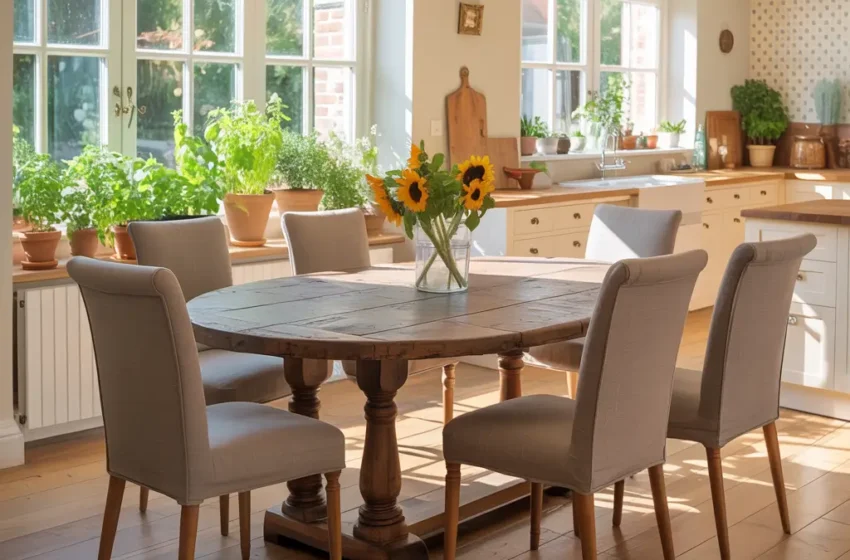
Look, I get it. You scroll through Pinterest at midnight, bookmark a million kitchen ideas, and wake up the next morning wondering if your own space will ever look that good. I’ve been there, staring at my cramped kitchen-dining combo, dreaming about what could be. Here’s the thing though—creating that dream kitchen and dining room doesn’t require magic or a celebrity-sized budget. You just need the right ideas and a little creativity. I’ve spent way too much time (and made plenty of mistakes) figuring out what actually works, so let me share what I’ve learned. Ready to transform your space into something you’ll actually want to show off? Let’s get into it.
Small Open-Concept Kitchen and Dining Room Layout Ideas
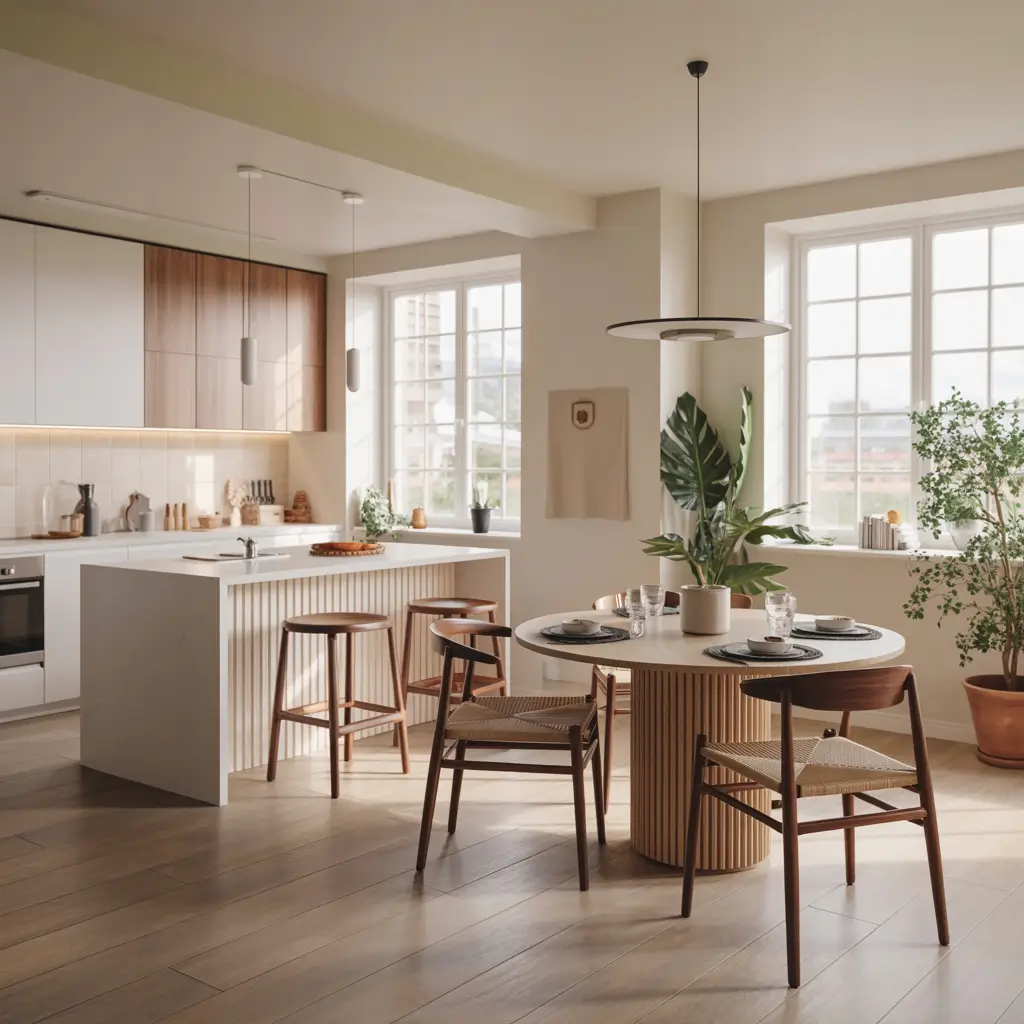
Ever notice how small spaces can feel either impossibly cramped or surprisingly spacious depending on how you arrange them? That’s the beauty—and the challenge—of open-concept layouts.
I learned this the hard way when I tried cramming a full dining table into my tiny apartment. The key is creating visual flow without physical barriers. Instead of thinking about separate rooms, think about zones that bleed into each other naturally.
Here’s what actually works:
- Use a kitchen island as your divider instead of walls or bulky furniture
- Position your dining table perpendicular to the kitchen counter to create natural pathways
- Choose furniture with exposed legs (trust me on this) to maintain sightlines and make the floor space feel larger
- Match or coordinate your kitchen and dining chairs for visual continuity
The trick I love most? Light-colored flooring that runs throughout both spaces. It sounds simple, but it genuinely makes everything feel twice as big. Also, avoid the temptation to use area rugs to “separate” zones—you’ll just chop up the space and lose that open feel you’re going for.
Modern Kitchen and Dining Room Combo Design Ideas
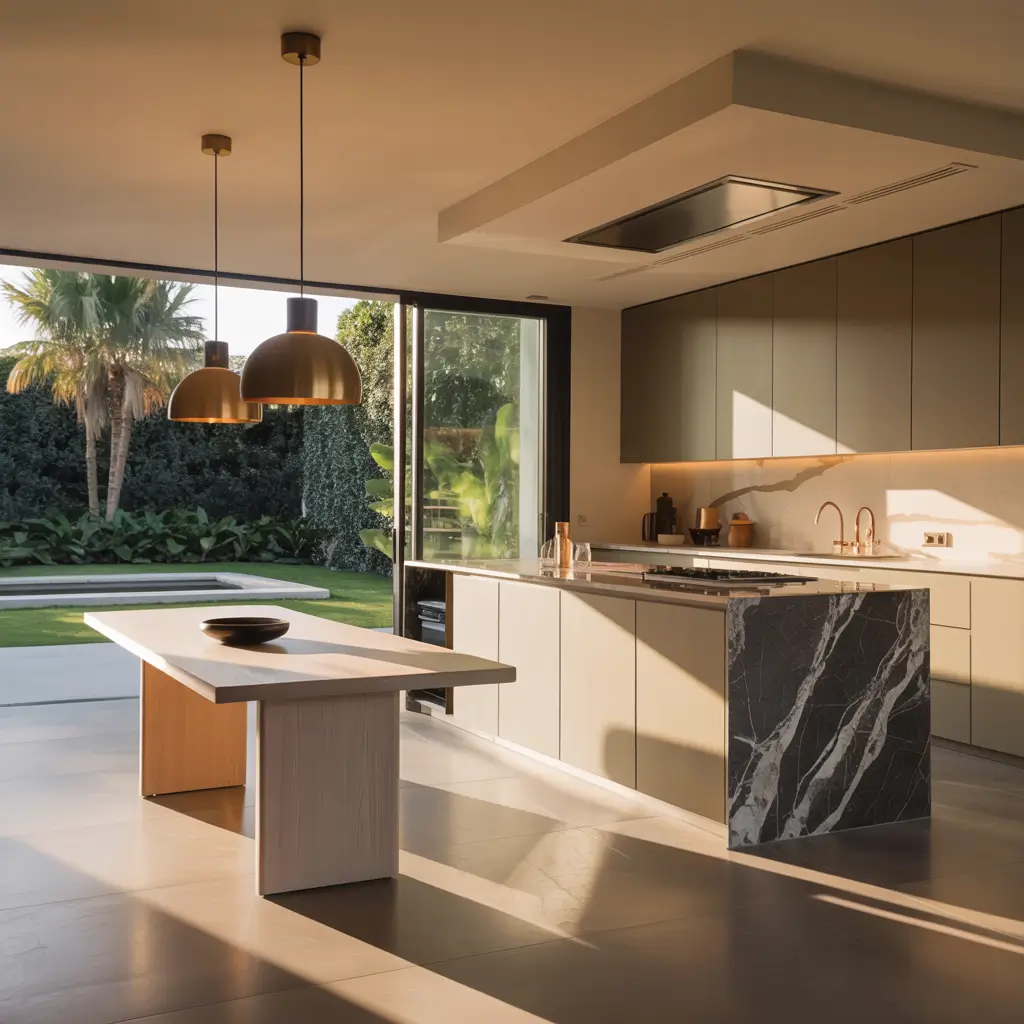
Modern design gets a bad rap for being cold and sterile, but honestly, that’s just bad modern design. Good modern spaces feel sleek, intentional, and surprisingly comfortable.
Clean lines are your best friend here. I’m talking handleless cabinets, geometric light fixtures, and furniture with simple silhouettes. When I renovated my space, I went with flat-panel cabinets in matte gray, and the transformation was insane.
Key elements for nailing modern design:
- Integrated appliances that hide behind matching cabinet fronts
- A monochromatic or limited color palette (usually neutrals with one accent color)
- Mixed materials like wood, metal, and stone for visual interest
- Statement lighting—think oversized pendants or a sculptural chandelier
One thing I wish someone had told me earlier? Modern doesn’t mean cluttered countertops are forbidden—it just means you need better storage solutions. Those beautiful floating shelves everyone posts on Instagram? They work, but only if you’re disciplined about what goes on them. Otherwise, you’ll end up with my initial attempt: a chaotic mess that looked more college dorm than modern chic :/
Cozy Farmhouse Kitchen and Dining Room Styling Ideas
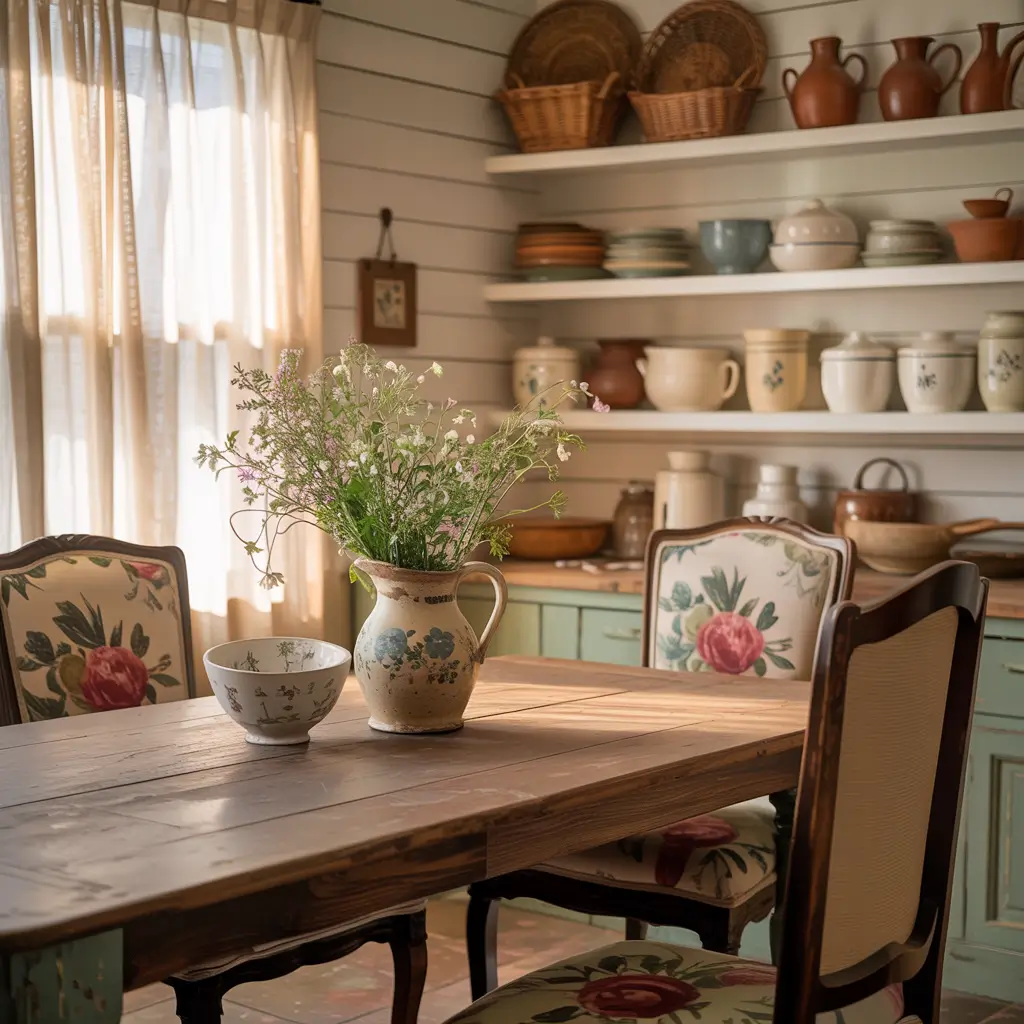
There’s something about farmhouse style that just feels like home, right? Maybe it’s the warmth, the lived-in comfort, or just our collective obsession with Joanna Gaines.
The foundation of farmhouse style is mixing old and new. You want that vintage charm without actually living in a museum. I scored an old farmhouse table at a yard sale, paired it with modern metal chairs, and boom—instant character.
Essential farmhouse elements:
- Shiplap or beadboard on at least one wall (accent wall if you’re not going full farmhouse)
- Open shelving displaying dishes, mason jars, or vintage finds
- A farmhouse sink (apron-front style) as your kitchen centerpiece
- Natural wood tones, especially reclaimed or distressed finishes
- Plenty of texture through baskets, linens, and woven accents
Here’s my honest take: farmhouse can tip into “too much” territory quickly. You don’t need the rooster collection, the “Gather” sign, AND the shiplap everywhere. Pick your favorite elements and let them breathe. Less is more, even in cozy farmhouse design.
Minimalist Kitchen and Dining Room Decor Ideas
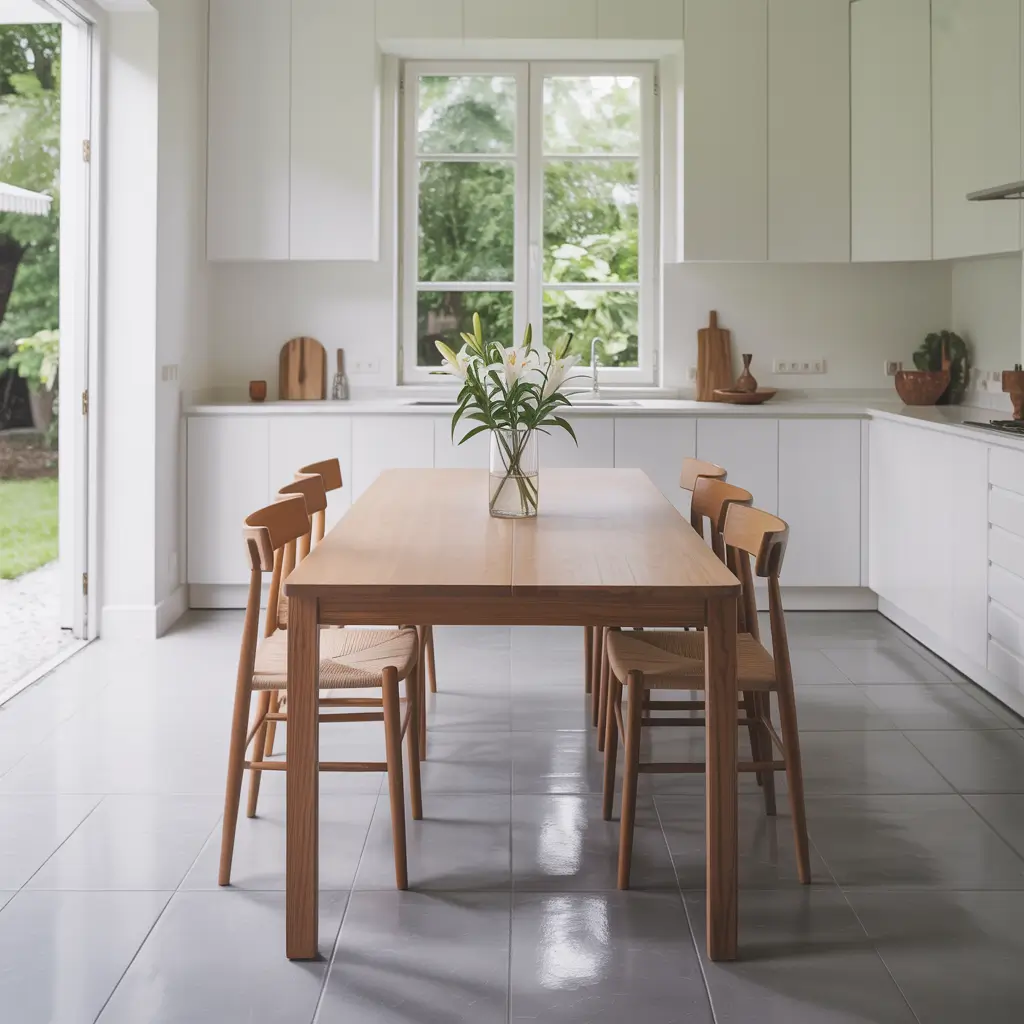
Minimalism isn’t about depriving yourself—it’s about keeping only what you actually love and use. And honestly? It’s the easiest style to maintain once you commit.
The minimalist kitchen starts with ruthless decluttering. I know, I know, but you really don’t need seventeen spatulas. You need maybe three good ones and smart storage for everything else.
Minimalist must-haves:
- Hidden storage everywhere (pull-out pantries, drawer organizers, cabinet inserts)
- A simple color scheme—usually white, gray, black, or natural wood
- Quality over quantity in everything from cookware to dining chairs
- Clear countertops with only absolute essentials visible
- Simple, understated lighting fixtures
The dining area should echo this simplicity. I use a solid wood table with clean-lined chairs and literally nothing else except a single vase when I’m feeling fancy. The beauty is in the breathing room, not the accessories. FYI, this style saves you money in the long run because you stop buying unnecessary stuff 🙂
Budget-Friendly Kitchen and Dining Room Makeover Ideas
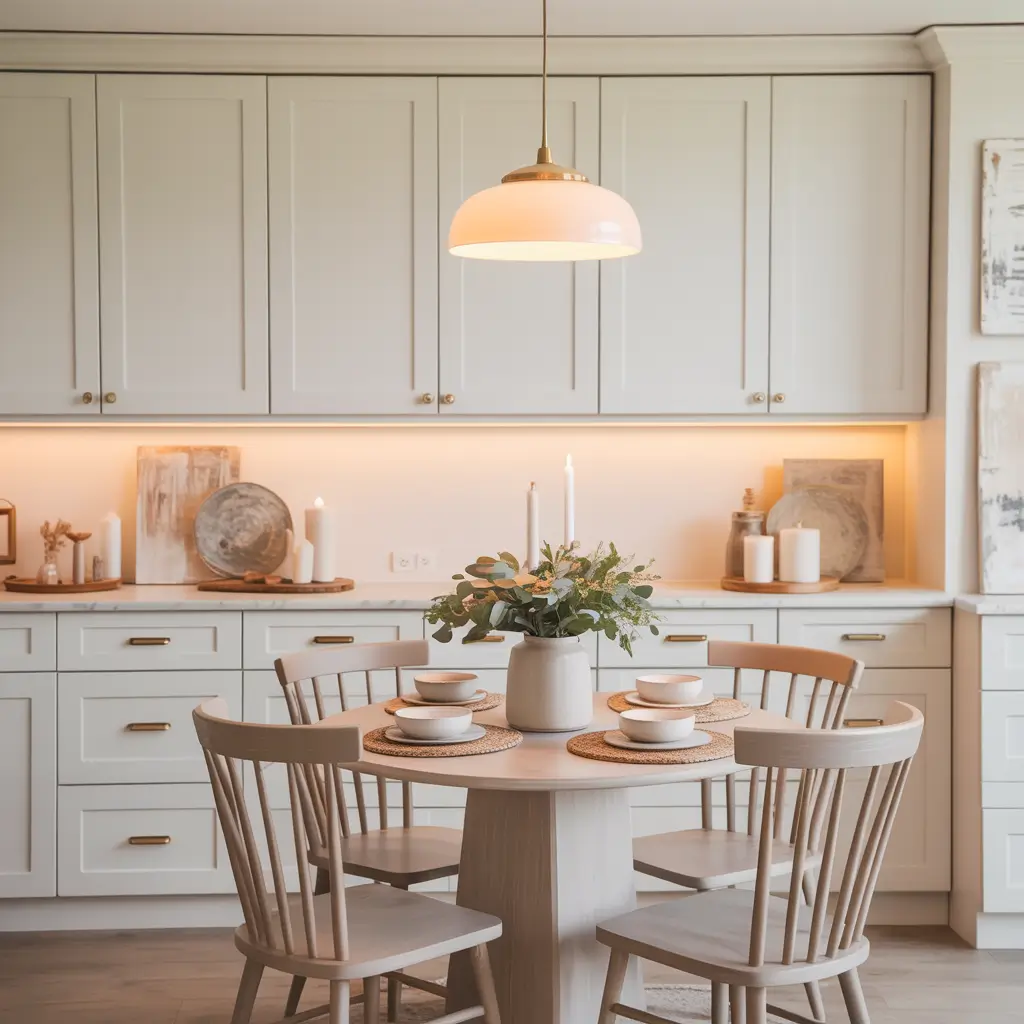
Let me hit you with some truth—you don’t need to gut your entire kitchen to make it gorgeous. I’ve done impressive makeovers for less than the cost of a weekend getaway.
Paint is your secret weapon. I transformed my outdated oak cabinets with primer, quality cabinet paint, and some elbow grease. Total cost? Under $200. The result? A kitchen that looked like a $5,000 renovation.
Budget-smart strategies:
- Paint cabinets instead of replacing them (seriously, this changes everything)
- Replace only the hardware and faucet for an instant upgrade
- Use peel-and-stick backsplash tiles (they’ve come a long way, trust me)
- Refinish your dining table instead of buying new
- Update lighting fixtures—this gives you the biggest visual bang for your buck
I also swapped out my dining chairs by reupholstering thrift store finds. YouTube taught me how in about 30 minutes, and I spent maybe $80 on fabric and foam. Your biggest investment should be time and creativity, not money. Hunt Facebook Marketplace like it’s your job, and you’ll find amazing deals.
Also Read: 15 Trendy Boho Dining Room Decor Styles for Modern Homes
Luxury Kitchen and Dining Room Inspiration Ideas
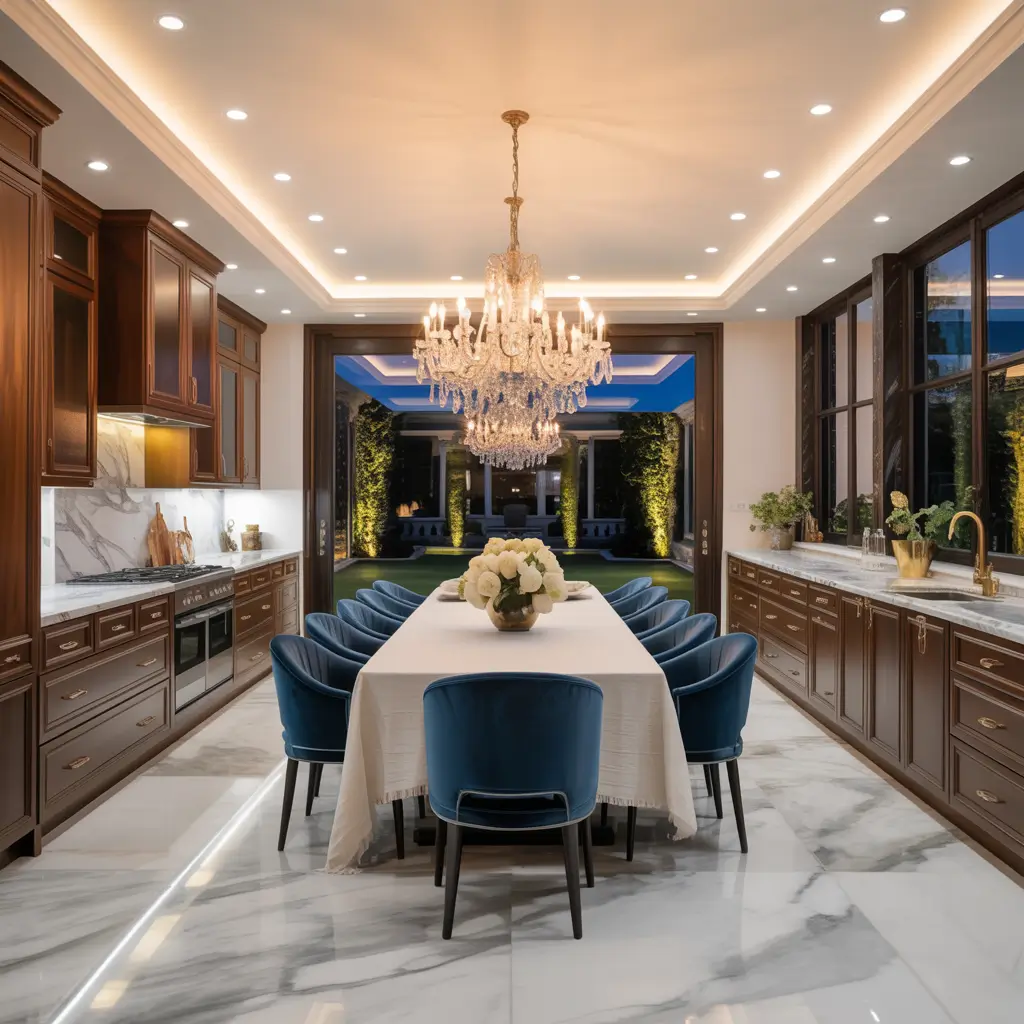
Okay, let’s daydream for a minute. If budget wasn’t a concern, what would your kitchen and dining room look like?
Luxury is about quality materials and thoughtful details. I’m talking marble countertops, custom cabinetry, high-end appliances, and finishes that make you want to touch everything.
Luxury elements worth investing in:
- Natural stone countertops (marble, quartzite, or granite)
- Custom or semi-custom cabinetry with soft-close mechanisms
- Professional-grade appliances (hello, six-burner range)
- A statement chandelier or pendant lights over the dining table
- Hardwood flooring or premium tile with underfloor heating
- Built-in wine storage or a beverage center
Here’s what separates actual luxury from just expensive: functionality and timelessness. That trendy geometric backsplash might be cool now, but classic subway tile with quality installation will look elegant for decades. IMO, luxury means you’re still in love with your choices ten years later, not just at the Instagram photoshoot.
Scandinavian Kitchen and Dining Room Design Ideas
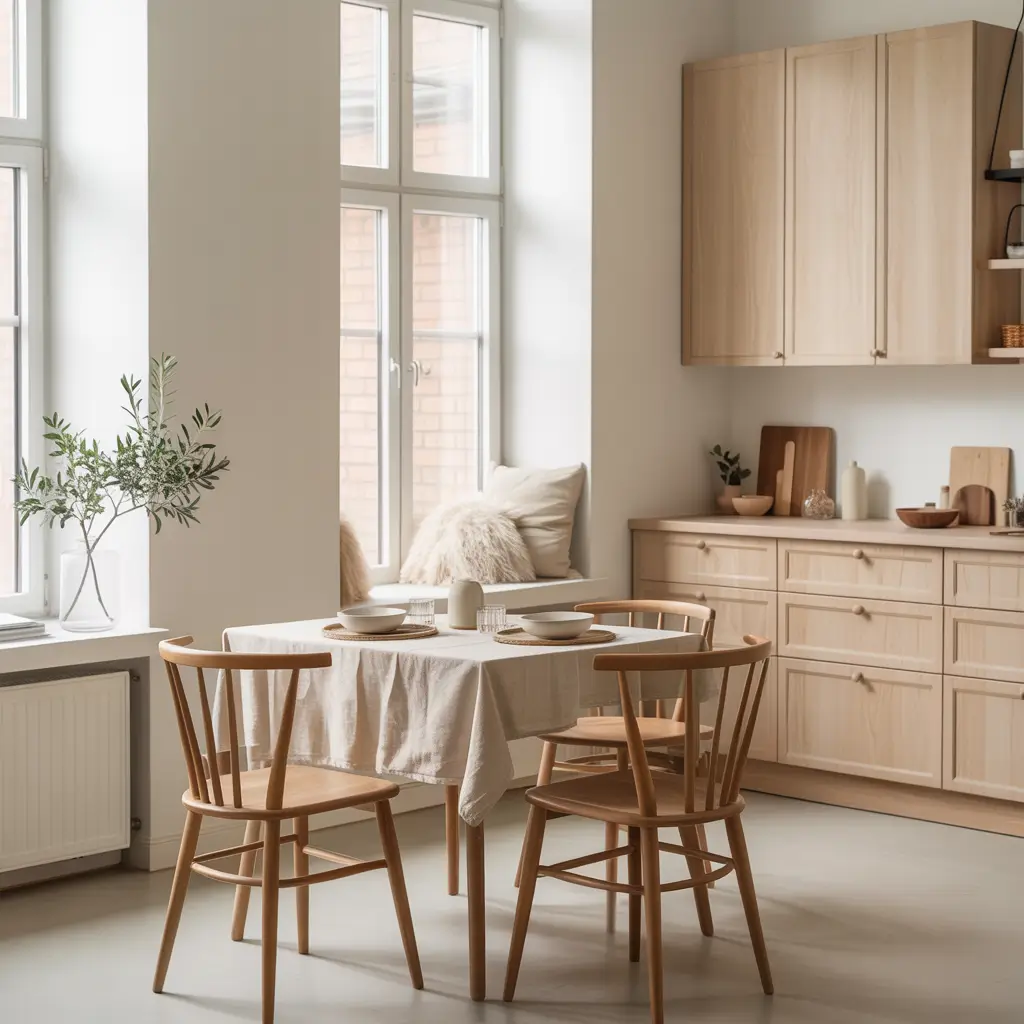
Scandinavian design is basically minimalism’s warmer, cozier cousin. It’s clean and simple but actually feels livable and welcoming.
The Scandi approach centers on functionality, natural materials, and lots of light. I borrowed heavily from this style when I wanted minimalism without the cold, sterile vibe.
Scandinavian essentials:
- White or light gray as your base color with natural wood accents
- Simple, functional furniture with clean lines
- Lots of natural light (sheer curtains or none at all)
- Plants—lots of greenery to bring life into the space
- Texture through natural materials like wood, wool, and linen
- Matte black or brass hardware and fixtures
The dining area should feel hygge (that Danish concept of cozy contentment). I use simple wood chairs, maybe a sheepskin throw draped over one, and candles on the table. Scandinavian style proves you don’t need clutter to create warmth. The secret is in the textures and the quality of light.
Space-Saving Kitchen and Dining Room Ideas for Apartments
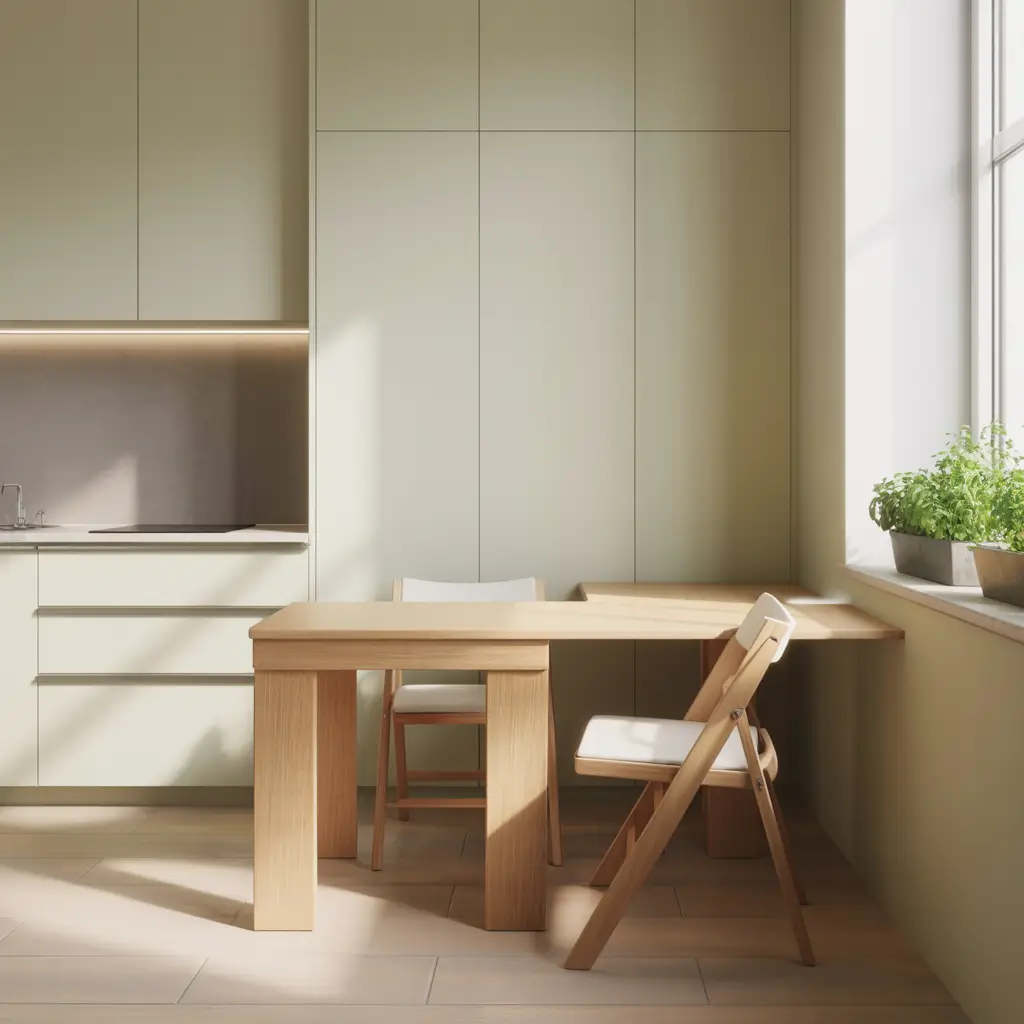
Apartment living taught me more about smart design than any course could. When you’re working with limited square footage, every inch matters.
Think vertical, foldable, and multi-functional. I installed floor-to-ceiling cabinets in my apartment kitchen, and suddenly I had storage I didn’t know was possible.
Space-saving genius moves:
- Wall-mounted drop-leaf tables that fold down when not in use
- Stackable or folding dining chairs you can tuck away
- Magnetic knife strips and wall-mounted utensil holders to free up drawer space
- Over-the-door organizers for pantry items
- Nesting bowls and stackable cookware
- A rolling kitchen cart that serves as extra counter space and storage
I also discovered the magic of furniture that pulls double duty. My kitchen island has storage on all sides, serves as my prep area, and moonlights as a dining table for quick meals. In apartments, the question isn’t “Do I have room for this?” but rather “How many jobs can this piece do?”
Elegant Kitchen and Dining Room Color Palette Ideas
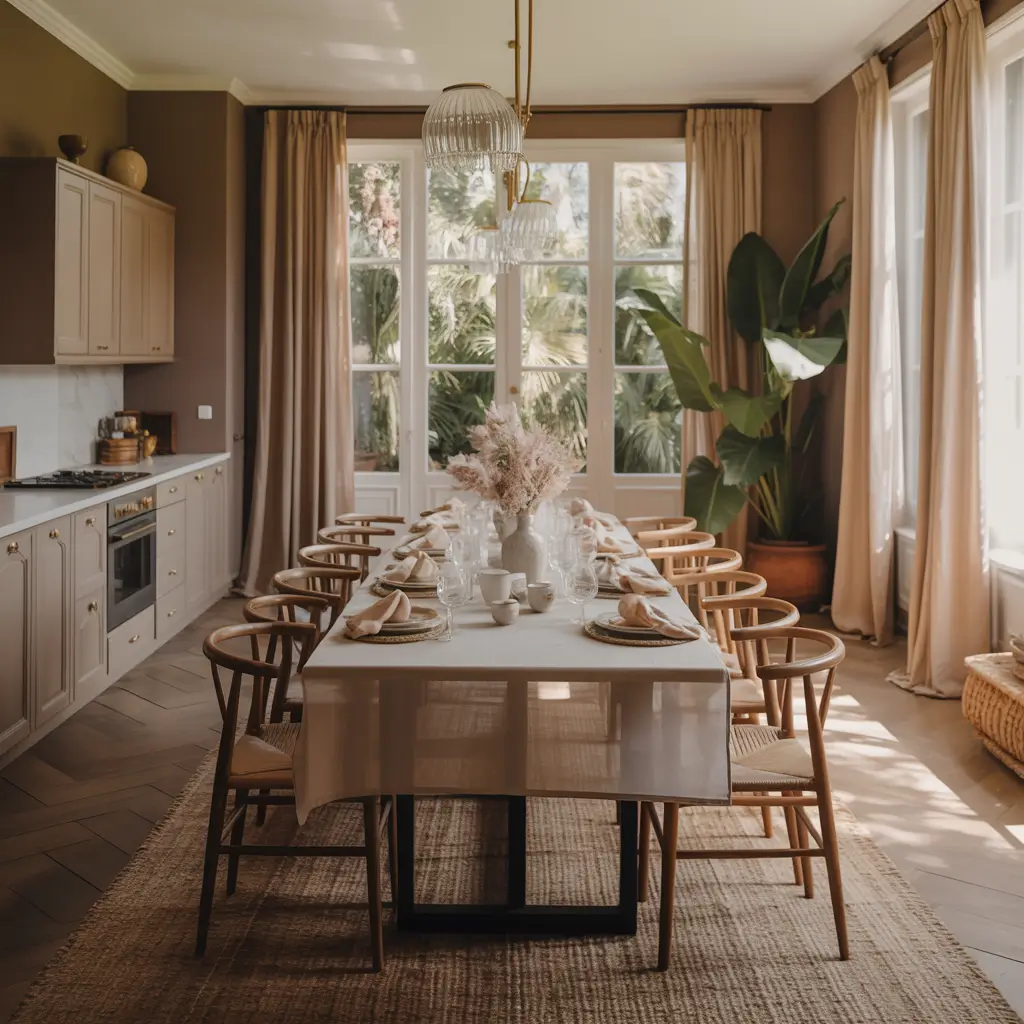
Color can make or break your entire space, and picking the right palette feels overwhelming, right? I’ve made enough color mistakes to know what actually works.
Start with a neutral base and build from there. My favorite elegant combinations always include plenty of white, cream, or soft gray as the foundation.
Sophisticated color palette options:
- Classic white and navy with brass or gold accents
- Warm grays paired with natural wood tones and matte black fixtures
- Cream and sage green for a soft, organic feel
- Charcoal and white with warm wood for contrast
- Beige and terracotta for earthy sophistication
The trick to elegance? Stick to a maximum of three main colors plus your metallics. I learned this after my “colorful eclectic” phase turned into “chaotic rainbow nightmare.” Your cabinets, walls, and flooring should work together, not compete. Use your dining chairs, backsplash, or accessories to introduce pops of color if you need them.
Rustic Kitchen and Dining Room Decor Ideas
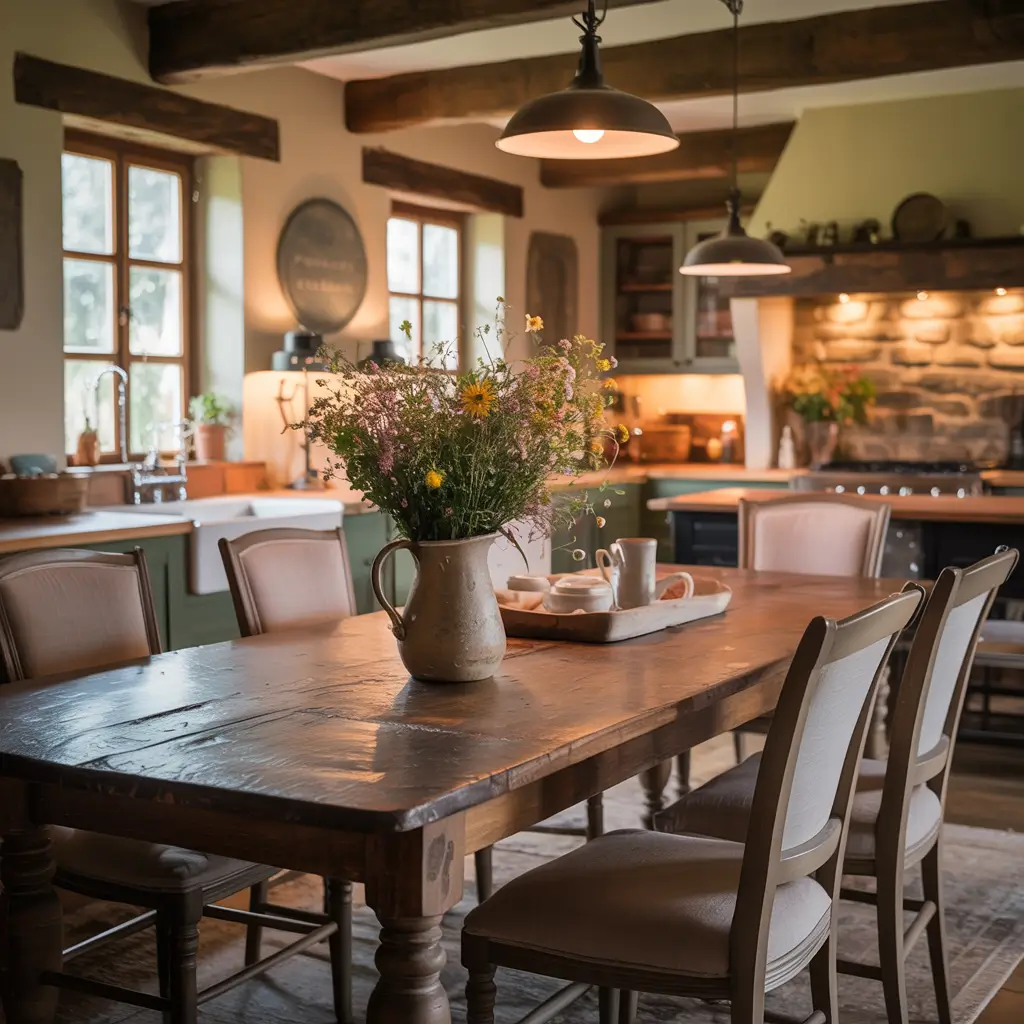
Rustic style brings that cabin-in-the-woods charm to everyday life, and honestly, it’s one of the most forgiving styles to work with.
Embrace imperfection and natural materials. That’s literally the whole game. I love rustic design because it gets better with age and wear rather than worse.
Rustic fundamentals:
- Exposed wood beams or wooden ceiling treatments
- Butcher block or reclaimed wood countertops
- Stone or brick accent walls
- Open shelving made from rough-hewn wood
- Vintage or antique accessories and lighting
- Natural fiber textiles like burlap, jute, and linen
For the dining area, a massive wooden table is non-negotiable. I’m talking thick, substantial, maybe even a live-edge slab if you’re feeling adventurous. Pair it with mismatched chairs for that collected-over-time look that rustic style does so well. And please, skip the overly distressed “rustic” furniture from big box stores—it looks fake. Real rustic has real character.
Bright and Airy Kitchen and Dining Room Ideas
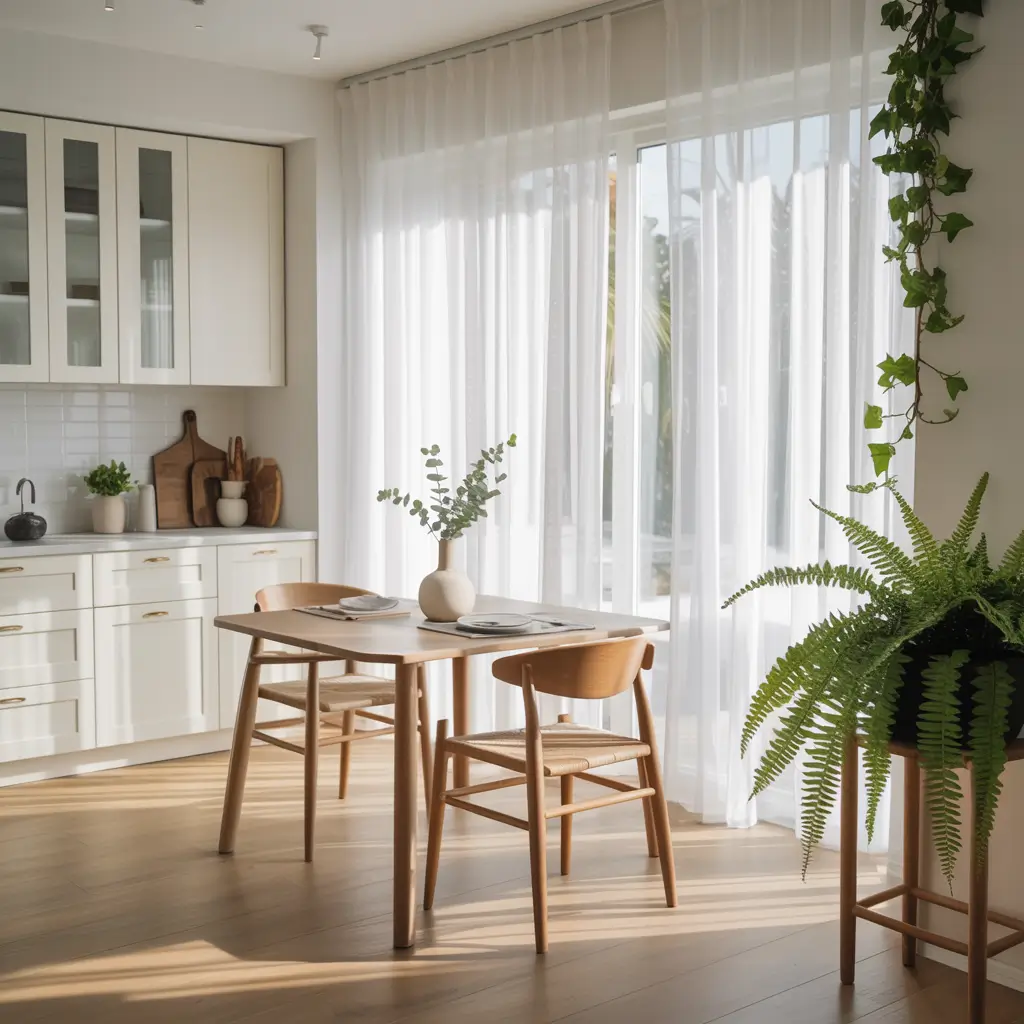
Want to know the secret to spaces that feel happy and energizing? Light, both natural and artificial, combined with the right color choices.
Maximize every bit of natural light you can get. I replaced my heavy curtains with sheer panels and watched my whole space transform. Suddenly I wanted to spend time in there.
Creating bright and airy vibes:
- White or light-colored cabinets that reflect rather than absorb light
- Glass cabinet doors to add depth and visual interest
- Mirrors strategically placed to bounce light around
- Light-colored flooring (white oak, light tile, or even painted floors)
- Minimal window treatments or none at all if privacy allows
- Glossy or semi-glossy finishes instead of matte
The dining area benefits from light-colored furniture or glass tables that don’t visually weigh down the space. I swapped my dark wood dining set for a light oak table and white chairs, and it felt like I added 20 square feet. Sometimes the transformation is just about getting out of your own light.
Kitchen and Dining Room Lighting Ideas for Better Ambiance
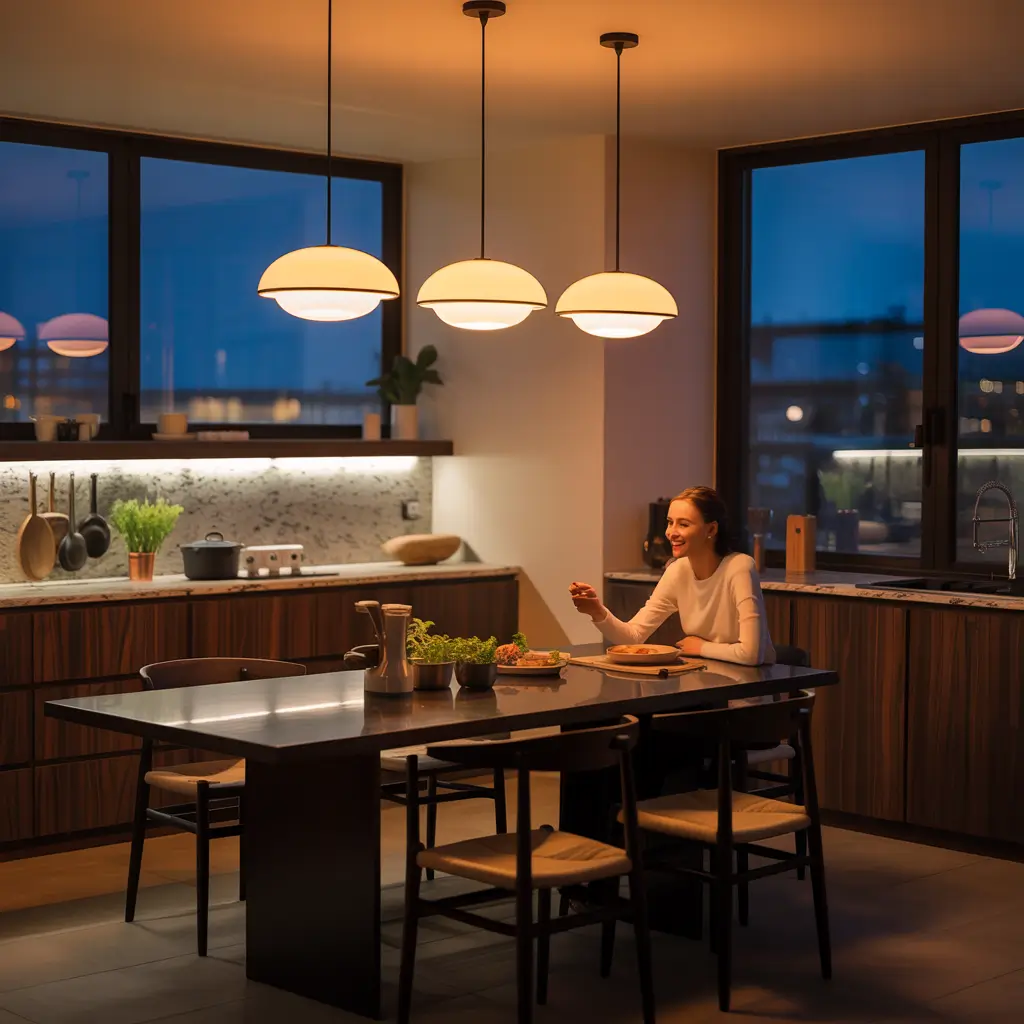
Let’s talk about the most underrated element of design—lighting. I ignored this for years and wondered why my beautiful kitchen felt “off.”
Layer your lighting with ambient, task, and accent sources. This isn’t optional if you want professional-looking results. I installed under-cabinet LEDs, pendant lights over my island, and dimmable recessed lights throughout, and wow, what a difference.
Lighting layers you need:
- Recessed ceiling lights for overall illumination (put them on dimmers)
- Under-cabinet lighting for task areas and ambiance
- Pendant lights over islands or peninsulas for style and function
- A statement chandelier or pendant cluster over the dining table
- Accent lighting inside glass cabinets or above cabinets
The dining room chandelier deserves special attention. Hang it about 30-36 inches above the table so it makes a statement without blocking sightlines. I love dimmers here because you can go bright for family dinners and dim for romantic evenings. Lighting controls mood more than almost anything else you’ll invest in.
Also Read: 15 Inspiring Farmhouse Dining Room Decor Ideas for Families
Family-Friendly Kitchen and Dining Room Layout Ideas
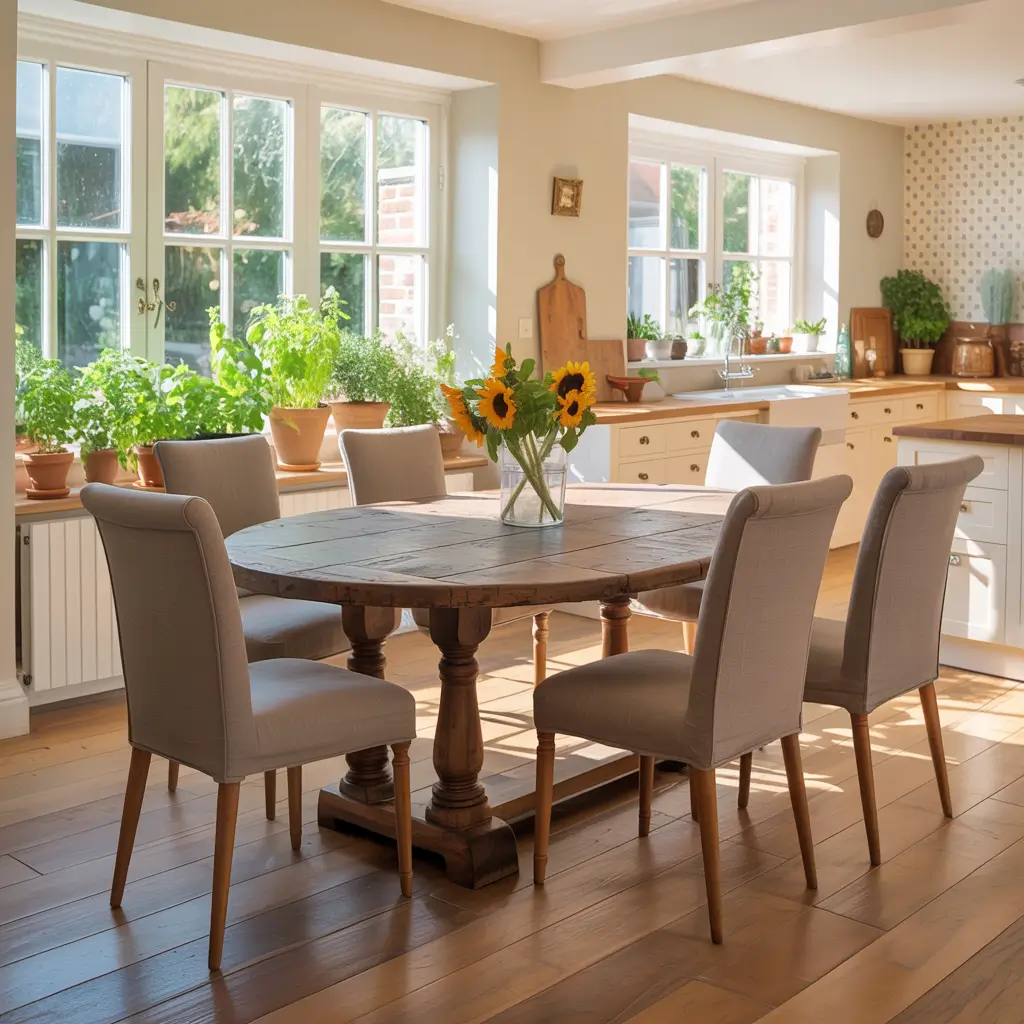
Designing for real life with kids, pets, and chaos means prioritizing durability and functionality without sacrificing style. Yeah, it’s possible.
Create a layout that lets you supervise kids while cooking. I’ve watched friends struggle with kitchens where the stove faces a wall while their toddlers destroy the living room behind them.
Family-smart design choices:
- Durable, stain-resistant surfaces (quartz counters, vinyl or tile floors)
- Rounded table corners instead of sharp edges
- A kitchen island with seating where kids can do homework while you cook
- Lower drawers or cabinets with kid-friendly storage for their dishes
- Washable, durable upholstery on dining chairs
- Easy-clean backsplash materials
I also recommend keeping an open layout that allows visual connection between cooking and living spaces. You need eyes in the back of your head anyway as a parent, might as well help yourself out with good sightlines. Storage for art supplies, coloring books, and kids’ dishes within reach teaches independence too.
Kitchen Island with Dining Area Integration Ideas
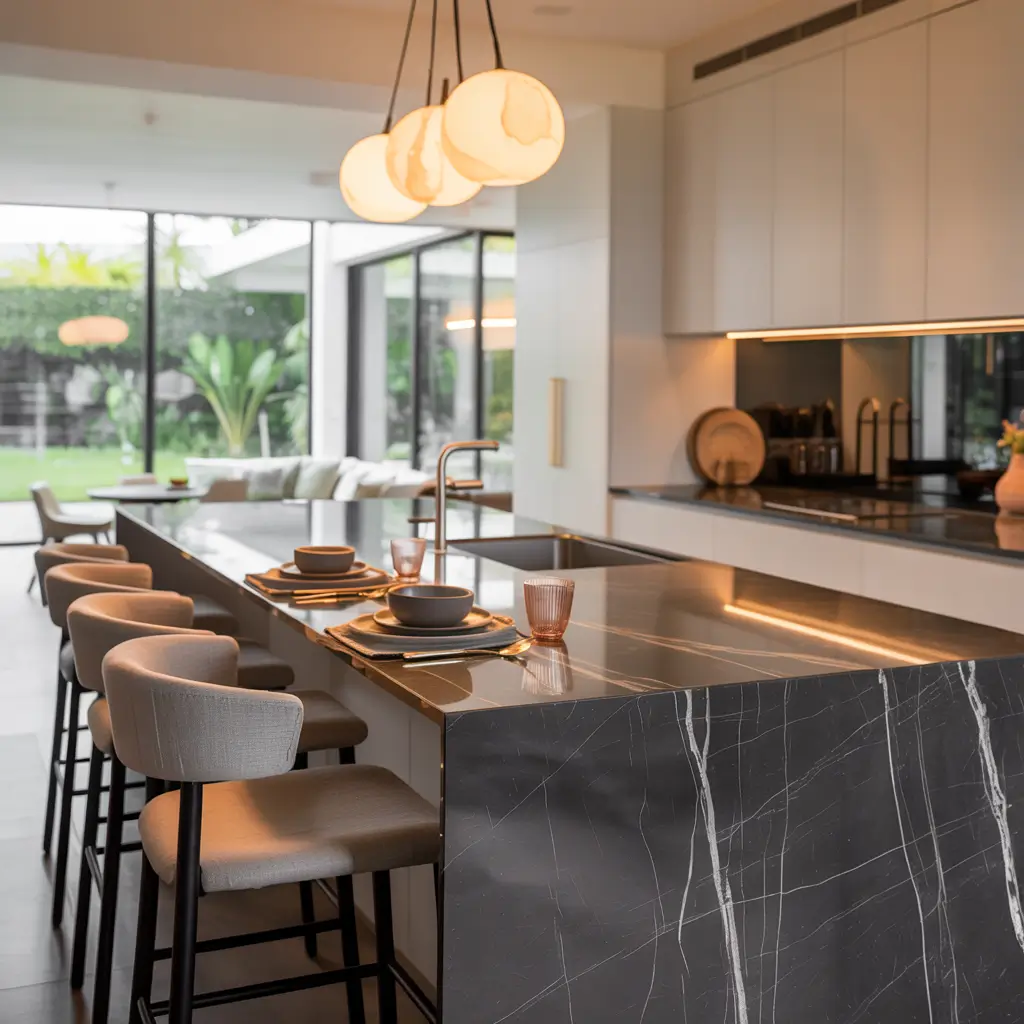
Kitchen islands are the hardest-working piece of furniture in your house, so why not make them pull triple duty?
An island with integrated dining changes the whole flow of your space. I added bar stools to my island, and suddenly I had extra seating, a casual dining spot, and a homework station without sacrificing an inch of floor space.
Island integration strategies:
- Two-tier islands with a lower counter for dining and higher for prep work
- Waterfall countertops that extend down one or both sides for a sleek look
- Built-in outlets for laptops, phones, and small appliances
- Storage underneath the overhang for bar stools when not in use
- A contrasting countertop material for the dining side to define the space
The seating situation matters more than you’d think. Choose bar stools with backs for comfort if people will actually sit and eat there, not just perch. I made the mistake of getting backless stools first—they looked great but were miserable for actual meals. Function wins every time.
Kitchen and Dining Room Storage and Organization Ideas
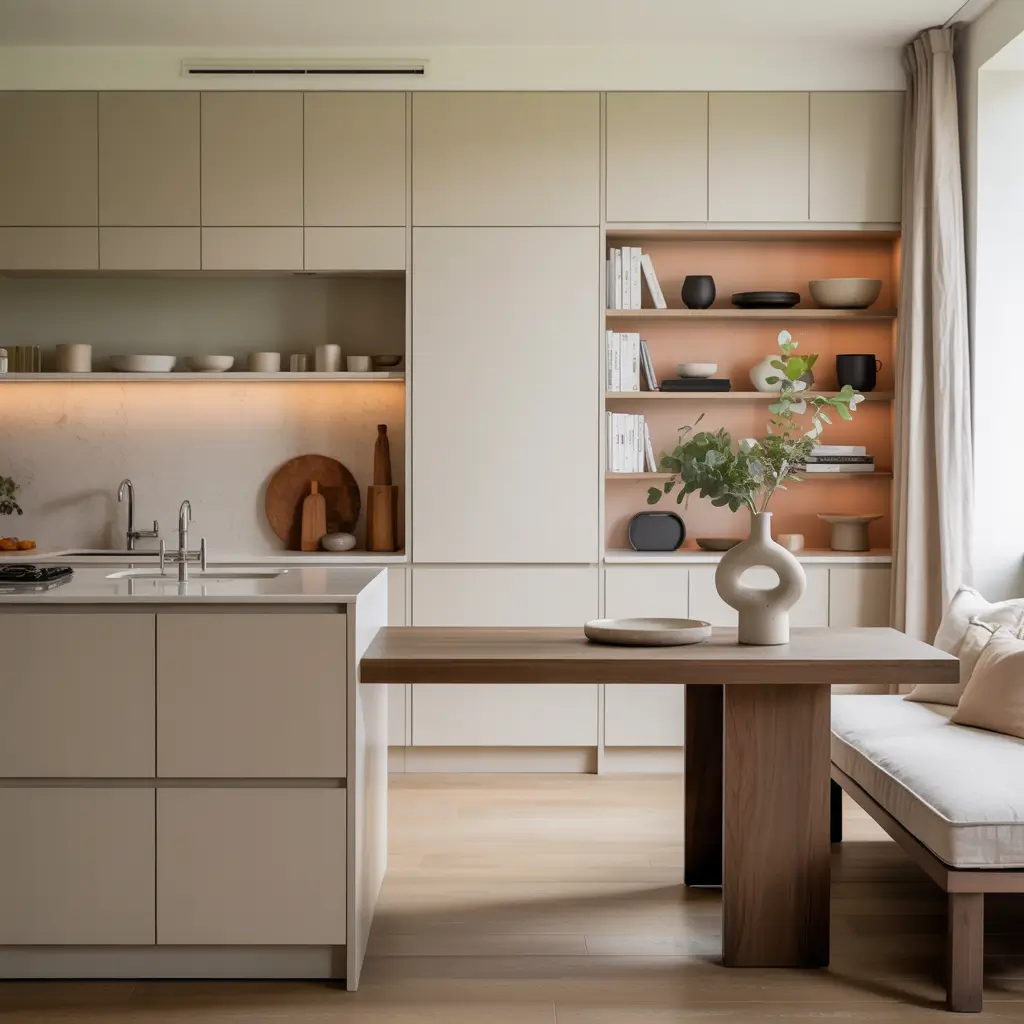
Storage is where design meets reality. You can have the most beautiful space, but if you can’t find anything or your counters are cluttered with stuff, it won’t feel good.
Maximize every available inch with smart storage solutions. I’m borderline obsessed with organization systems now because they genuinely changed my life. Dramatic? Maybe. True? Absolutely.
Storage game-changers:
- Pull-out pantry cabinets that utilize those awkward narrow spaces
- Deep drawer dividers for pots, pans, and lids
- Lazy Susans in corner cabinets (seriously, why doesn’t everyone use these?)
- Vertical dividers for baking sheets, cutting boards, and trays
- A dedicated coffee or beverage station with everything in one spot
- Built-in trash and recycling pull-outs
For the dining area, consider a buffet or sideboard with closed storage for linens, serving pieces, and all those random items you need occasionally. Open shelving looks great but requires constant maintenance. I prefer closed cabinets for actual storage and open shelves only for things I genuinely want to display.
Wrapping This Up
Here’s what I’ve learned after years of experimenting, failing, succeeding, and obsessing over kitchen and dining room design: there’s no single “right” way to create your dream space. What matters is finding the style that makes you happy, the layout that works for your life, and the solutions that fit your budget.
Your kitchen and dining room should work as hard as you do while looking effortlessly put together. Whether you’re drawn to sleek modern lines, cozy farmhouse charm, or anything in between, the best spaces combine beauty with real functionality. Start with one idea from this list that speaks to you, make it your own, and build from there.
And remember, you don’t have to do everything at once. I certainly didn’t. Pick one element, nail it, and let the momentum build. Before you know it, you’ll have that Pinterest-worthy space you’ve been dreaming about—and better yet, it’ll actually work for your real life, not just the photos.