15 Stunning Mid Century Modern Dining Room Ideas for Stylish Homes
- Dining Room Decor
 Alina
Alina- 0
- 41 minutes read

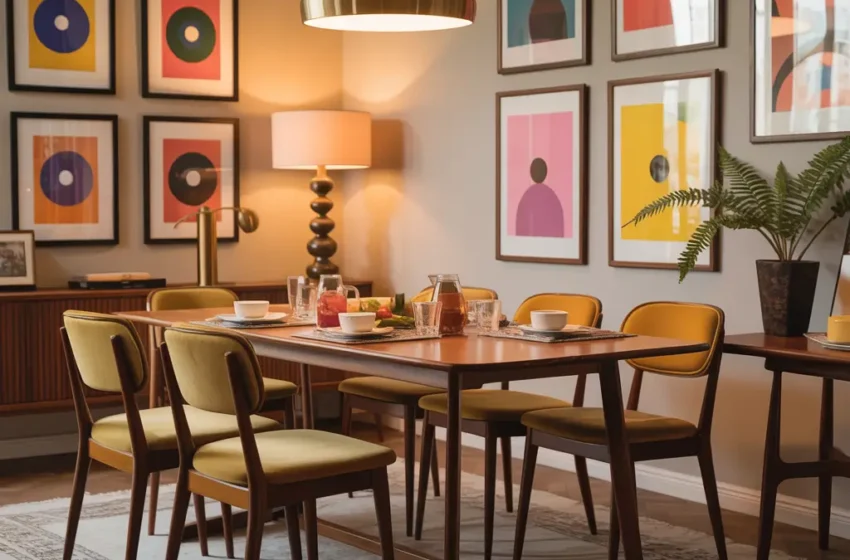
You know that feeling when you walk into a room and everything just clicks? That’s the magic of mid-century modern design. I’m obsessed with this timeless aesthetic, and honestly, the dining room is where it really shines. Think clean lines, organic curves, and that perfect blend of form meets function that makes your space feel both sophisticated and totally livable.
I’ve spent way too many weekends hunting down vintage pieces and reimagining dining spaces (my partner jokes it’s become a slight problem), so I’m sharing my favorite mid-century modern dining room ideas that’ll transform your space from bland to absolutely stunning. Whether you’re working with a massive open floor plan or a tiny corner, these ideas pack serious style without making your wallet cry. Let’s get into it.
1. Walnut Statement Dining Table Setup

Nothing—and I mean nothing—screams mid-century modern quite like a gorgeous walnut dining table. This rich, chocolate-toned wood became the backbone of 1950s and 60s design, and honestly, it’s aged like fine wine.
I’ve always gravitated toward walnut tables with those signature tapered legs that look impossibly sleek yet sturdy. The grain patterns alone become conversation starters at dinner parties. You’ll find authentic vintage pieces from brands like Lane or Broyhill at estate sales, but modern reproductions from West Elm or Article capture that same vibe without the vintage price tag.
Here’s what makes walnut work so beautifully:
- Natural warmth that prevents the space from feeling cold or sterile
- Versatility that pairs with virtually any chair style
- Durability that handles daily family dinners and fancy gatherings alike
- Investment value since quality walnut pieces hold their worth
Pair your walnut table with upholstered chairs in mustard yellow or burnt orange for that authentic retro feel. Or go minimal with simple black metal chairs if you’re after a more contemporary spin. The wood does the heavy lifting here, so you can play around with everything else.
2. Oval Tulip Table Dining Space

Ever wonder why the tulip table never goes out of style? Because Eero Saarinen was an absolute genius, that’s why. This iconic pedestal table eliminated what he called the “slum of legs” under traditional tables, and the result is pure sculptural beauty.
The oval version works magic in dining rooms where you need to seat more people without that boxy feel. I replaced my old rectangular table with an oval tulip table last year, and the flow in my dining area improved dramatically. No more bruised shins from corner collisions either 🙂
What you need to know about styling a tulip table:
- Keep the chairs simple so they don’t compete with the table’s statement base
- White fiberglass versions create an airy, modern aesthetic
- Marble-topped tulips add luxury and weight to larger spaces
- Wood grain tulip styles bridge mid-century and Scandinavian vibes
The single pedestal base means more knee room and easier chair placement. You’re not locked into specific seating arrangements, which makes hosting way more flexible. FYI, authentic Knoll tulip tables cost a small fortune, but Rove Concepts and other brands make stunning replicas that won’t require a second mortgage.
3. Teak Wood Minimalist Dining Room

Teak wood brings that Danish modern elegance that feels both understated and incredibly refined. This honey-toned wood with its straight grain became synonymous with Scandinavian-influenced mid-century design, and I’m completely here for it.
I visited Copenhagen a few years back and fell hard for how Danish designers used teak in every dining space. The minimalist approach—no clutter, no excessive decoration—lets the wood’s natural beauty take center stage. This works brilliantly if you’re the type who gets overwhelmed by visual noise.
Creating a teak minimalist dining room means embracing restraint:
- Choose clean-lined teak furniture without ornate details
- Limit your color palette to neutrals with one accent color maximum
- Invest in quality over quantity—fewer pieces, better crafted
- Let negative space breathe around your furniture
A simple teak table with matching credenza and minimal wall art creates a serene eating environment that never feels dated. The wood’s natural oils make it incredibly durable, so vintage teak pieces from the 60s often look better than furniture made last year. Seriously, the quality difference is wild.
4. Bold Retro Color Accent Dining Area

Let’s be real—mid-century modern doesn’t mean everything needs to be wood tones and neutrals. The era gave us psychedelic oranges, avocado greens, and those electric blues that make your eyes happy. I love injecting bold retro colors into dining spaces because it instantly shifts the energy from subtle to spectacular.
You don’t need to commit to an entirely orange room (though no judgment if you do). Strategic color accents work wonders. I painted one accent wall in my dining room a deep teal, and it completely transformed the space without overwhelming it.
Smart ways to incorporate bold retro colors:
- Upholstered dining chairs in burnt orange or mustard yellow
- A vintage bar cart in vibrant turquoise or coral
- Abstract art featuring period-appropriate color combos
- Geometric rugs with bold patterns and saturated hues
- Colored glassware and ceramics displayed on open shelving
The trick is balancing those punchy colors with neutral backgrounds. White walls, natural wood floors, and simple furniture let your color accents pop without creating visual chaos. IMO, this approach gives you the freedom to swap accent colors as your taste evolves without redoing the entire room.
5. Sputnik Chandelier Dining Room Design

Can we talk about Sputnik chandeliers for a second? These atomic-age beauties capture the Space Race optimism of mid-century design like nothing else. Those radiating arms with bulbs at each end create drama and sculptural interest that typical chandeliers just can’t match.
I hung a brass Sputnik fixture over my parents’ dining table as a surprise renovation gift, and watching it transform their boring ceiling situation was incredibly satisfying. The shadows it casts at night create this amazing geometric pattern that makes every dinner feel special.
What makes Sputnik chandeliers work so well:
- Instant focal point that draws the eye upward
- Multiple light sources that eliminate harsh shadows
- Scalable sizes from compact 6-arm versions to massive 24-arm statements
- Material variety including brass, black metal, chrome, and mixed finishes
Hang your Sputnik fixture about 30-36 inches above the table surface for optimal lighting and visual impact. Make sure it’s centered over the table, not just the room—I’ve seen this mistake wreck otherwise perfect dining rooms. The fixture becomes jewelry for your ceiling, so everything else can stay relatively simple.
Also Read: 15 Brilliant Small Dining Room Decor Ideas for Cozy Elegance
6. Cane Back Chair Dining Room Styling

Cane webbing in furniture screams mid-century sophistication while adding texture that breaks up all that smooth wood and clean upholstery. I’m slightly obsessed with cane-back dining chairs because they manage to look elegant without feeling fussy or formal.
The open weave pattern keeps chairs feeling light and airy—super important in smaller dining spaces where solid-back chairs might feel heavy. Plus, there’s something nostalgic about cane that connects to mid-century summers and breezy coastal homes. It just works.
Styling cane-back chairs successfully:
- Mix cane with wood frames in walnut or teak for cohesive mid-century appeal
- Add seat cushions in geometric patterns or solid bold colors for comfort
- Combine cane-back chairs with different styles as long as heights match
- Keep cane well-maintained—vacuum regularly and avoid excess moisture
You’ll find authentic vintage cane chairs at reasonable prices since they’re not as trendy as Eames shells or tulip chairs. Brands like Stakmore and Shelby Williams made thousands in the 60s, so they’re still floating around estate sales and vintage shops. Modern retailers like CB2 and Target also carry cane-inspired pieces that capture the vibe without the vintage hunt.
7. Built-In Mid Century Dining Nook

Remember when built-in breakfast nooks were standard in homes? Mid-century designers understood that integrated seating maximizes space while creating cozy gathering spots. I helped a friend convert her awkward dining corner into a built-in nook, and it became the most-used space in her house.
The beauty of built-ins is their custom-fit quality. You’re not trying to shove standard furniture into weird corners—you’re designing seating that perfectly suits your space. Add some geometric cushions and a floating table, and suddenly you’ve got a retro diner vibe that’s completely unique.
Creating your own mid-century dining nook:
- L-shaped or U-shaped banquettes maximize corner spaces
- Low-profile backs with angled wood frames maintain mid-century lines
- Storage underneath seating adds functionality without sacrificing style
- Floating or pedestal tables allow easier entry and exit from the booth
The built-in approach works brilliantly in small homes or apartments where every square foot counts. You’re creating dedicated dining space that doesn’t rely on movable furniture that might migrate to other rooms. Plus, there’s something undeniably charming about booth-style seating that makes even Tuesday night pizza feel special.
8. Earth Tone Organic Dining Room Look

Embracing earth tones creates that organic, grounded mid-century aesthetic that feels like a warm hug. Think caramel browns, terracotta oranges, olive greens, and warm taupes—colors pulled straight from nature that mid-century designers loved incorporating.
I shifted my dining room to earth tones last fall, and the space immediately felt calmer and more cohesive. These colors work with the natural wood finishes central to mid-century design instead of fighting against them. The whole room feels intentional rather than thrown together.
Building an earth tone organic dining room:
- Layer different textures like jute rugs, linen curtains, and ceramic pottery
- Choose warm-toned woods over cool grays or blacks
- Add natural elements like dried pampas grass or eucalyptus branches
- Select pottery and dishware in terracotta, ochre, and burnt sienna
- Incorporate organic shapes in lighting and accessories
This palette never feels dated because you’re working with timeless natural colors. Where trendy colors come and go, earth tones stick around because they’re rooted in the unchanging natural world. Your dining room becomes a retreat from the chaos outside—exactly what mid-century designers intended when they brought the outdoors in.
9. Vintage Sideboard Styled Dining Space

A vintage mid-century sideboard might be the single best investment for your dining room. These low-profile credenzas provide storage, serving space, and major style points all in one gorgeous package. I scored a Lane credenza at an estate sale for $200, and it’s easily my favorite furniture piece ever.
The sliding doors, tapered legs, and mix of wood tones define mid-century credenza design. You’re getting functional storage that doesn’t look like boring cabinets—instead, it’s a sculptural piece that elevates your entire space.
How to style your vintage sideboard:
- Display your bar setup with vintage glassware and decanters
- Add table lamps with ceramic or teak bases for ambient lighting
- Hang art above at eye level to create a gallery moment
- Style with plants in period-appropriate planters
- Use open shelving sections for cookbook displays or serving pieces
The sideboard anchors your dining room and provides that horizontal line that balances vertical elements like pendant lights or tall plants. When you’re hosting, it becomes your staging area for buffet-style meals or cocktail service. The rest of the time, it’s eye candy that makes you smile every time you walk past.
10. Scandinavian Mid Century Fusion Dining Room

Here’s where things get interesting—combining Scandinavian minimalism with mid-century warmth creates dining rooms that feel both cozy and uncluttered. These design philosophies share DNA (think about all those Danish designers who influenced American mid-century style), so merging them feels natural.
I’ve always loved how Scandinavian design prioritizes function and simplicity while mid-century American design adds playful elements and bolder choices. When you fuse them, you get the best of both worlds—practical spaces that still have personality.
Key elements of Scandinavian mid-century fusion:
- Light wood tones like ash, oak, or birch instead of darker walnut
- White or light gray walls that maximize natural light
- Simple textiles in muted colors with geometric patterns
- Minimal ornamentation with intentional accent pieces
- Hygge elements like candles and soft textures mixed with clean lines
This approach works perfectly if you love mid-century aesthetics but find some interpretations too dark or heavy. The Scandinavian influence lightens everything up while maintaining those signature mid-century shapes and forms. Your dining room becomes a bright, welcoming space that still feels grounded in design history.
Also Read: 15 Easy Coffee Bar Ideas for Small Spaces Space Saving
11. Gallery Wall Mid Century Dining Area

Creating a gallery wall in your mid-century dining room adds personality and visual interest to what might otherwise be blank vertical space. I’m talking curated art collections that reflect the era’s love of abstract expressionism, graphic design, and geometric patterns.
The gallery wall approach lets you display pieces you love while creating a legitimate focal point. I spent months collecting vintage prints and abstract pieces for my dining room gallery wall, and it genuinely makes the space feel like mine. Not some designer showroom—my actual home with my actual taste on display.
Building your mid-century gallery wall:
- Mix framed prints with original art in various sizes
- Include vintage movie posters or travel prints from the 50s and 60s
- Choose frames in wood tones, brass, or simple black
- Create asymmetrical arrangements rather than rigid grids
- Leave breathing room between pieces—crowding kills the effect
- Anchor with one larger statement piece surrounded by smaller works
The colors and subjects in your gallery wall can pull together your entire dining room palette. If you’ve got orange chairs, include artwork with orange accents. Working with teal and walnut? Find prints that echo those tones. Your wall becomes a cohesive design element instead of random pictures slapped up wherever they fit.
12. Open Concept Mid Century Dining Zone

Open floor plans were revolutionary in mid-century architecture, and they’re still hugely popular for good reason. Knocking down walls between kitchen and dining areas creates flow and connection that separate rooms just can’t match. But defining your dining zone within that openness requires thoughtful design choices.
I lived in a mid-century ranch with completely open living/dining/kitchen space, and honestly, it took me a while to make it work. The trick is creating visual separation without reinstalling walls that defeat the open concept purpose.
Defining your open concept dining zone:
- Use area rugs to anchor the dining table and define its territory
- Pendant lighting over the table signals “this is the dining area”
- Position furniture strategically to create subtle boundaries
- Maintain consistent flooring but vary wall colors between zones
- Add a sideboard or console as a visual divider
The beauty of open concept mid-century dining spaces is how they facilitate conversation and movement during gatherings. You’re not isolated in the dining room while someone’s trapped in the kitchen—everyone’s together in one flowing space. Just make sure your zones feel intentional rather than randomly placed furniture floating in an undefined expanse.
13. Small Space Mid Century Dining Corner

Not everyone has a dedicated dining room, and that’s completely fine. Small space dining corners can pack just as much mid-century style as expansive formal dining rooms—you just need to be strategic about your choices. I furnished my first apartment’s tiny dining corner with a 30-inch round table and two chairs, and it worked beautifully.
The mid-century emphasis on compact, functional design actually makes it perfect for small spaces. Those designers were solving post-war housing shortages, so they understood space limitations intimately. Their solutions still work brilliantly in modern small apartments and homes.
Small space mid-century dining strategies:
- Choose round or oval tables that seat more people in less space
- Pick furniture with exposed legs to maintain visual openness
- Use wall-mounted shelving instead of bulky cabinets
- Select stackable or folding chairs for flexibility
- Maximize vertical space with tall, narrow storage pieces
- Keep colors light to prevent the area from feeling cramped
A small dining corner doesn’t mean sacrificing style for function. That vintage Saarinen-style tulip table in white fiberglass? Absolutely works in small spaces—probably better than in huge rooms, actually. The key is editing ruthlessly and choosing pieces that earn their spot through both beauty and usefulness.
14. Greenery Filled Mid Century Dining Room

Plants everywhere—that’s the vibe. Mid-century designers brought nature indoors through massive windows and abundant greenery, and this approach makes dining rooms feel alive and connected to the outdoors. I’m mildly plant-obsessed (my current count is embarrassing), so this idea speaks directly to my soul.
The organic shapes of plants contrast beautifully with mid-century furniture’s clean geometric lines. You’re creating visual interest through living elements that literally grow and change over time. Plus, plants improve air quality and just make spaces feel healthier and happier.
Greening your mid-century dining room:
- Large floor plants like fiddle leaf figs or monstera in corners
- Hanging planters with trailing pothos or string of pearls
- Centerpiece arrangements using seasonal branches or succulents
- Window sill herbs that are both decorative and functional
- Vintage planters in ceramic with retro patterns or colors
Choose period-appropriate planters to maintain your mid-century aesthetic. Look for ceramic pots with hairpin legs, glazed pottery in earth tones, or those iconic wire plant stands that elevate greenery to eye level. The combination of living plants and vintage containers creates layers of interest that static decor just can’t achieve.
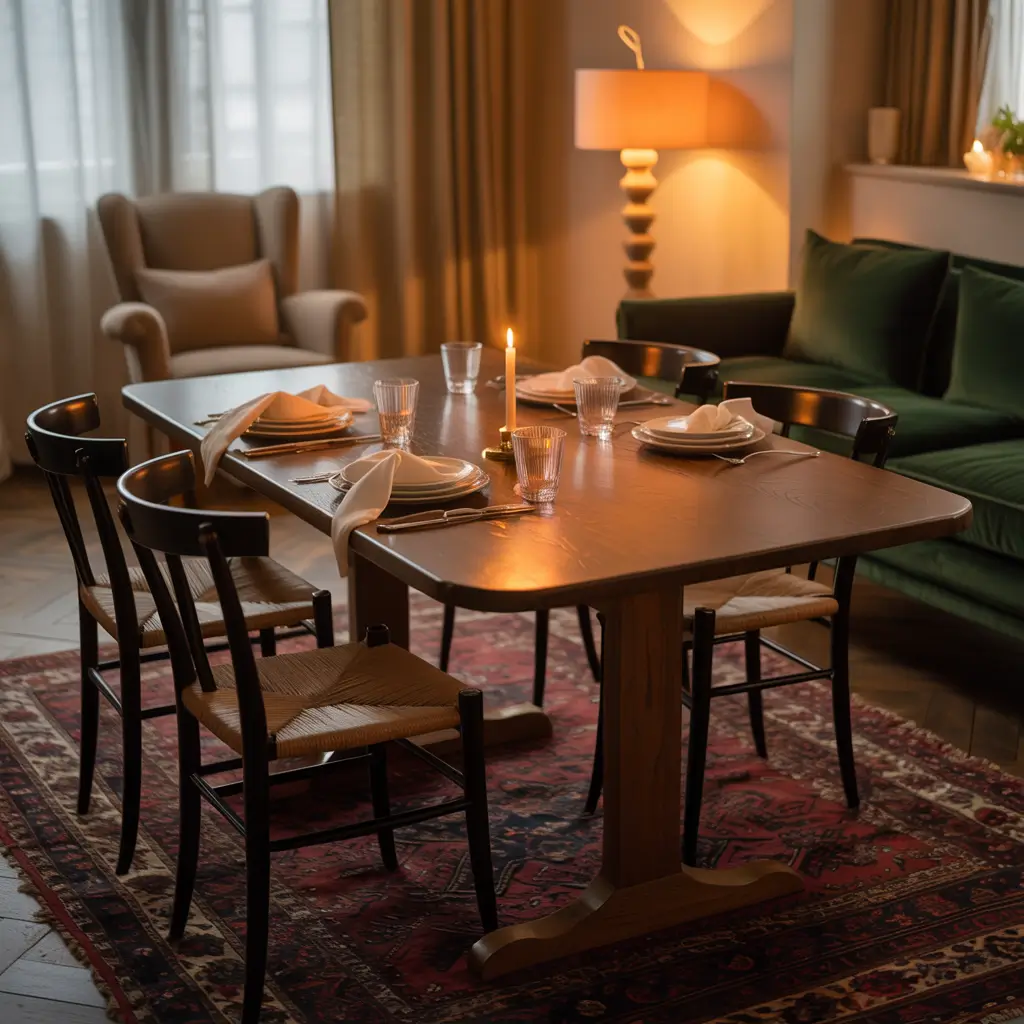
15. Moody Mid Century Modern Dining Room Setup

Who says mid-century modern needs to be light and bright? Moody, dramatic dining rooms with darker palettes create intimate, sophisticated spaces perfect for evening entertaining. I recently helped design a client’s dining room with charcoal walls and dark wood furniture, and the transformation was stunning :/
This approach flips the script on typical mid-century interpretations. You’re still working with the same furniture styles and design principles, but the darker backdrop creates an entirely different mood. The space feels cocooning and special—like somewhere you’d want to linger over wine and conversation.
Creating your moody mid-century dining room:
- Deep wall colors like charcoal, navy, forest green, or black
- Dark wood furniture in walnut or mahogany with rich finishes
- Brass and gold accents that pop against dark backgrounds
- Layered lighting including dimmers for ambiance control
- Jewel-toned textiles in emerald, sapphire, or deep burgundy
- Dramatic art with bold contrasts and striking subjects
The moody approach requires confidence, but the payoff is huge. Your dining room becomes a destination within your home—somewhere that feels distinctly different from the rest of your space. Make sure you have adequate lighting (this is where that Sputnik chandelier really shines), because dark rooms without proper lighting just feel gloomy rather than atmospheric.
Bringing It All Together
Mid-century modern dining rooms work because they prioritize both beauty and livability. These aren’t stuffy formal spaces gathering dust between holidays—they’re real rooms for real life, designed with intention and style.
Whether you’re all-in on authentic vintage pieces or mixing mid-century elements with modern furnishings, the key is understanding the design principles: clean lines, organic forms, functional beauty, and thoughtful material choices. You don’t need to recreate a 1962 showroom—you’re building a dining space that reflects your life while honoring timeless design.
Start with one element that speaks to you. Maybe it’s that walnut table you’ve been eyeing, or a Sputnik chandelier that makes your heart race. Build from there, adding pieces that feel right rather than following rigid rules. The beauty of mid-century modern design is its flexibility—it plays well with other styles and adapts to different spaces and needs.
Your dining room should make you excited to eat meals there, whether it’s Tuesday cereal or Saturday dinner parties. That’s the real measure of successful design. So grab that vintage credenza, paint that accent wall, or finally invest in those cane-back chairs.