15 Classic Penny Tile Bathroom Floor Ideas That Feel Luxe
- Bathroom Tile
 Alina
Alina- 0
- 40 minutes read

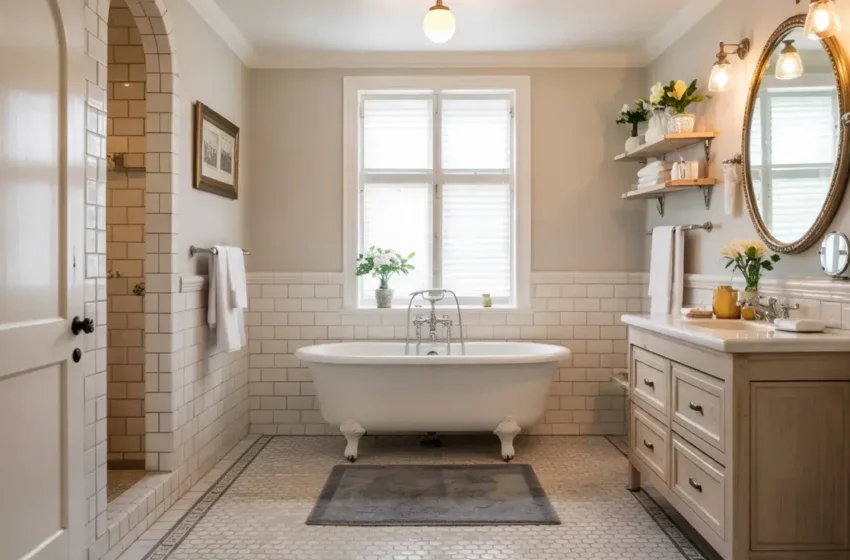
Look, I’ll be honest with you—when I first saw penny tile in a bathroom, I thought it was just another Instagram trend that would disappear faster than my motivation on a Monday morning. But here’s the thing: I was completely wrong. Penny tile has this magical ability to make even the most basic bathroom look like it belongs in a boutique hotel, and I’m kind of obsessed with it now.
You know that feeling when you step into a high-end spa or a fancy hotel bathroom and think, “Yeah, I could live here”? That’s the penny tile effect. These little circular beauties have been around since the early 1900s, and they’re still stealing the show in modern bathrooms. Whether you’re planning a full renovation or just daydreaming about what your bathroom could look like, I’ve got 15 killer ideas that’ll make you want to rip up your current flooring ASAP.
Penny Tile Bathroom Floor Pros and Cons
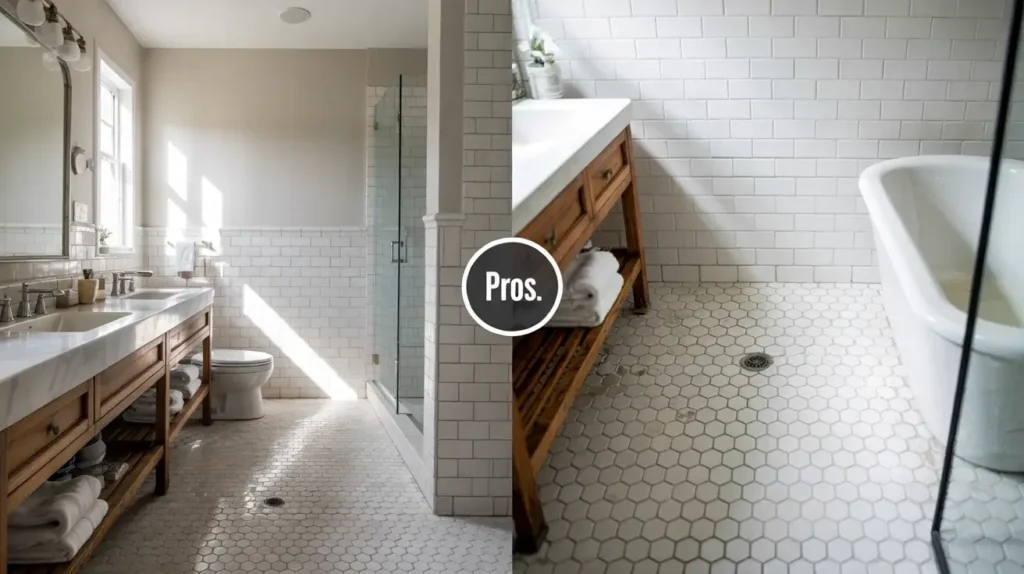
Let’s get real for a second—nothing’s perfect, not even penny tile. But understanding what you’re getting into makes all the difference.
The Good Stuff:
First off, penny tile gives you insane grip, which is crucial when you’re stumbling out of the shower half-asleep. The grout lines create natural traction that large-format tiles just can’t match. I once stayed at an Airbnb with huge slippery tiles, and let me tell you, I felt like I was ice skating every morning.
The aesthetic versatility is another major win. You can go vintage, modern, farmhouse, or industrial—penny tile plays well with basically any style. Plus, these tiles work beautifully on curved surfaces and uneven floors because they’re small and flexible to install.
The Not-So-Good Stuff:
Here’s where I have to burst your bubble a bit. Penny tile has more grout lines than a therapy session has feelings. More grout means more cleaning, and if you’re someone who barely has time to brush their teeth in the morning, this might drive you nuts.
Installation costs can also make your wallet cry. Because of all those tiny tiles, labor costs run higher than standard subway or large-format tiles. And if you’re a DIY warrior? Be prepared for a project that tests your patience like nothing else.
The grout can also stain if you don’t seal it properly, especially in high-traffic bathrooms. But honestly, if you maintain it right, this isn’t a dealbreaker—just something to keep in mind.
Best Grout Colors for Penny Tile Bathroom Floors
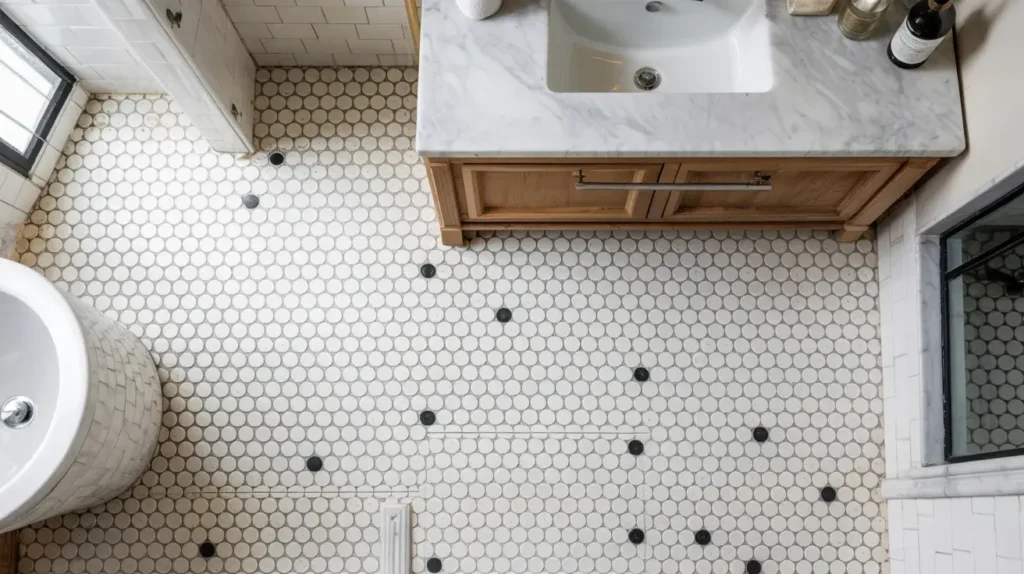
Ever wondered why some penny tile floors look amazing while others just look… meh? The secret is almost always in the grout color.
White or Light Gray Grout:
This combo creates that classic, timeless look that never goes out of style. White penny tiles with white grout give you a seamless, spa-like vibe that feels clean and sophisticated. Light gray grout is my personal favorite because it doesn’t show dirt as easily but still keeps that bright, airy feel.
Dark Grout for Drama:
Want to make a statement? Pair white penny tiles with charcoal or black grout. The contrast is chef’s kiss—it highlights every single tile and creates this gorgeous geometric pattern that looks intentional and designer-approved. I saw this combo in a friend’s bathroom, and I literally stood there staring at the floor like a weirdo for a solid minute.
Matching Grout for Subtlety:
If you’re using colored penny tiles, matching your grout color creates a more subtle, blended look. Black tiles with black grout? Sophisticated and moody. Sage green tiles with matching grout? Trendy and calming.
Pro tip: Always, and I mean always, seal your grout. Future you will thank present you when you’re not scrubbing stains six months down the line.
Modern Penny Tile Bathroom Floor Ideas
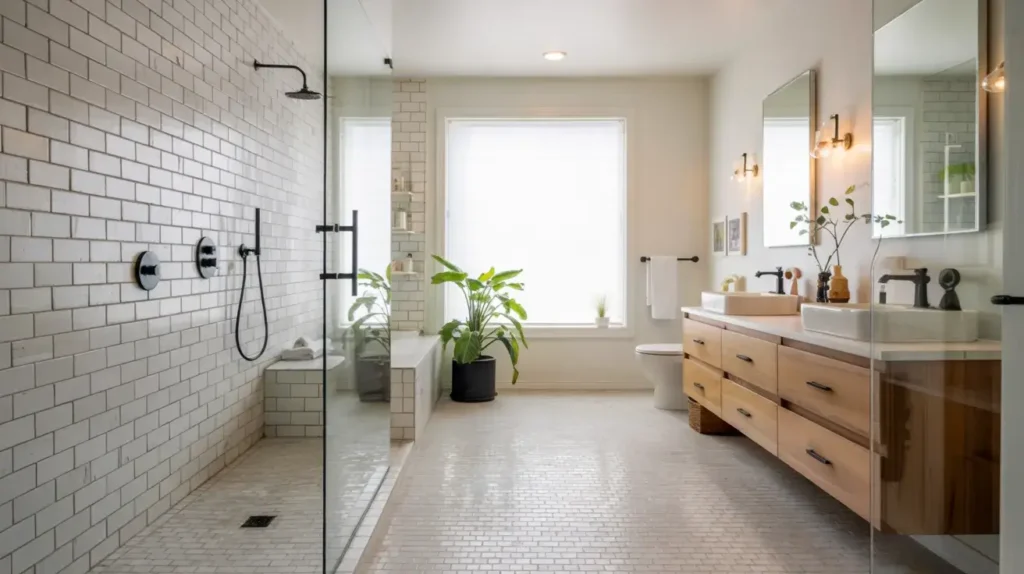
Penny tile isn’t stuck in the past, despite what your cousin who only likes “contemporary” design might tell you.
Hexagon Penny Tiles:
Okay, so technically these aren’t round, but they’re the same size and vibe. Hexagonal penny tiles in matte white or concrete gray scream modern minimalism. They’ve got clean lines and geometric perfection that makes design nerds (like me) very happy.
Ombre or Gradient Patterns:
This is where you can get creative. Start with darker penny tiles near the base of your walls and gradually transition to lighter shades on the floor. It creates depth and visual interest that standard monochrome just can’t deliver.
Mixed Metallic Finishes:
Copper, brass, and gold penny tiles mixed together create a modern luxe look that’s absolutely stunning. Yeah, it’s bougie, but sometimes you deserve bougie. Pair this with matte black fixtures, and you’ve got yourself a bathroom that looks like it came straight out of a design magazine.
Black and White Penny Tile Bathroom Designs
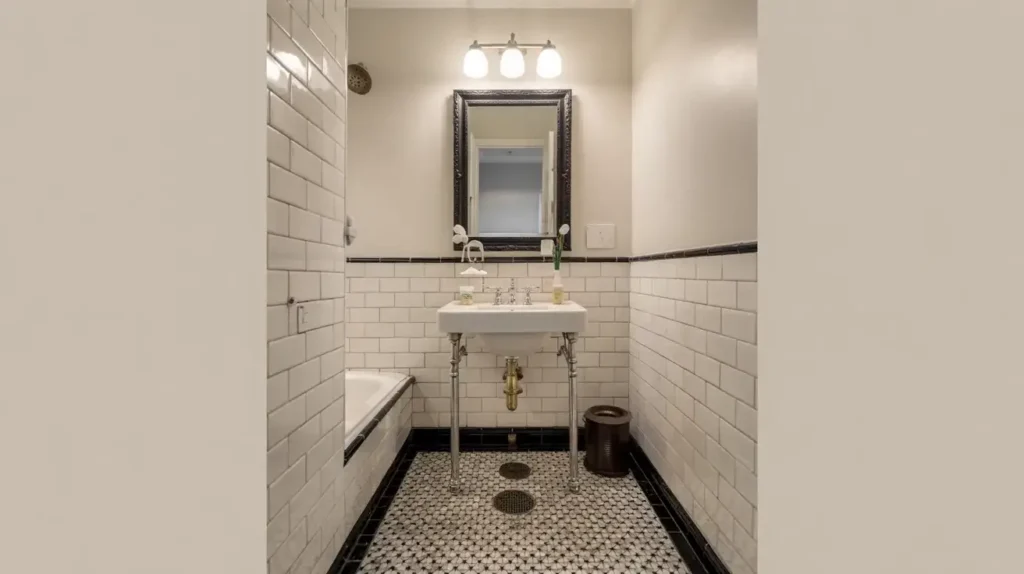
The black and white combo is basically the little black dress of bathroom design—it never fails.
Classic Checkerboard:
Alternate black and white penny tiles in a checkerboard pattern for vintage charm with modern appeal. This look works especially well in art deco or retro-inspired bathrooms. I’ve seen this paired with brass fixtures and pink walls, and it was legitimately stunning.
Random Mix:
Instead of a pattern, randomly scatter black tiles among white ones (or vice versa). It creates this organic, speckled look that feels fresh and less formal than strict patterns. Think of it like cookies and cream ice cream for your floor 🙂
Border Details:
Use white penny tiles for the main floor and create a black penny tile border around the perimeter or around specific fixtures. This framing technique defines the space and adds an extra layer of intentionality to your design.
Also Read: 15 Creative Pink Tile Bathroom Ideas for Unique Style
Is Penny Tile Good for Small Bathrooms?
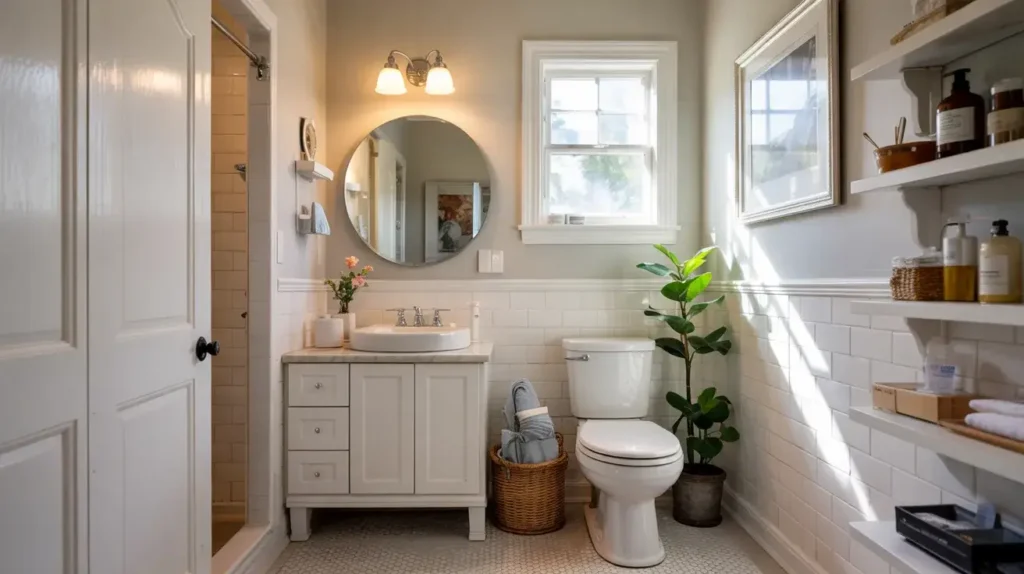
Short answer? Yes. Long answer? Hell yes, but with some considerations.
The Visual Trick:
Small tiles actually make small spaces feel larger because they create more visual interest and texture. Your eye travels across all those grout lines instead of just seeing one big blank tile, which tricks your brain into perceiving more dimension. It’s basically optical illusion magic for your bathroom.
Light Colors Are Your Friend:
In tight spaces, stick with lighter penny tile colors. White, cream, light gray, or soft pastels open up the room and reflect light better than dark colors. Save the moody black tiles for bigger bathrooms where they won’t make the space feel like a cave.
Keep Patterns Simple:
While I love a good bold pattern, small bathrooms need restraint. Stick with solid colors or subtle variations rather than crazy rainbow gradients. You want sophisticated, not chaotic.
One thing to watch out for: too many grout lines in a tiny space can feel busy if you choose high-contrast grout. Go for matching or low-contrast grout colors to keep things cohesive.
Penny Tile Bathroom Floor Cleaning Tips
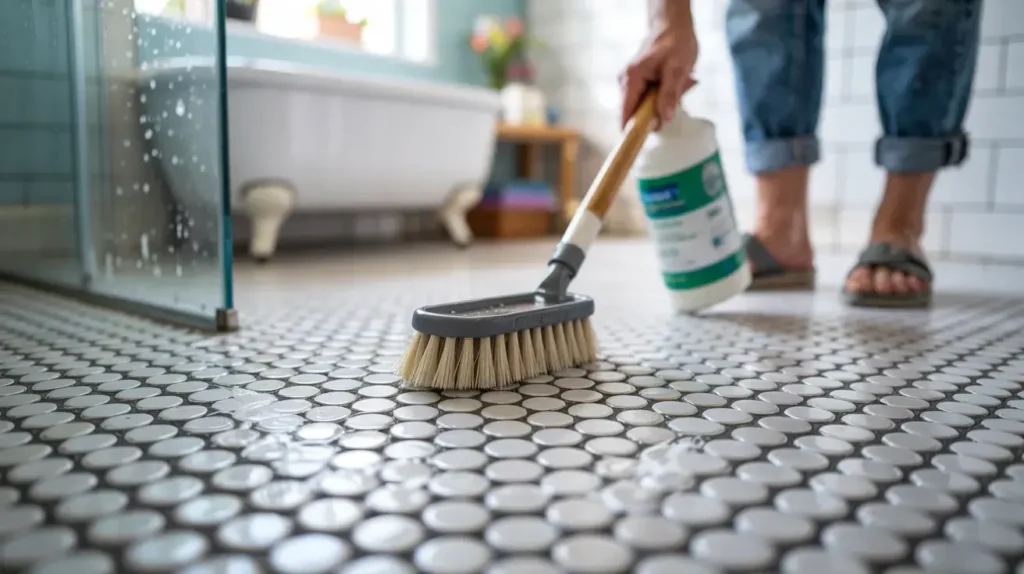
Let’s talk about the elephant in the room—or should I say, the grout lines on the floor?
Daily Maintenance:
Sweep or vacuum regularly to prevent dirt from settling into those grout lines. I know it sounds basic, but this simple step prevents 90% of future headaches. A quick wipe-down after showers also stops water spots and soap scum buildup.
Deep Cleaning Method:
For the deep clean, mix equal parts water and white vinegar in a spray bottle, spray the floor, and let it sit for about 10 minutes. Then scrub with a medium-bristle brush (not too hard or you’ll damage the grout). Rinse thoroughly and dry with a microfiber cloth.
FYI, baking soda paste works wonders on stubborn stains. Mix it with a little water, apply to the stain, let it sit for 15 minutes, then scrub and rinse.
What to Avoid:
Never use harsh acidic cleaners on penny tile—they can damage both the tile and grout. Also, skip the bleach unless absolutely necessary because it can discolor grout over time. Steam mops are your best friend here; they sanitize without chemicals and get into all those tiny grout lines.
Matte vs Glossy Penny Tile Bathroom Floor
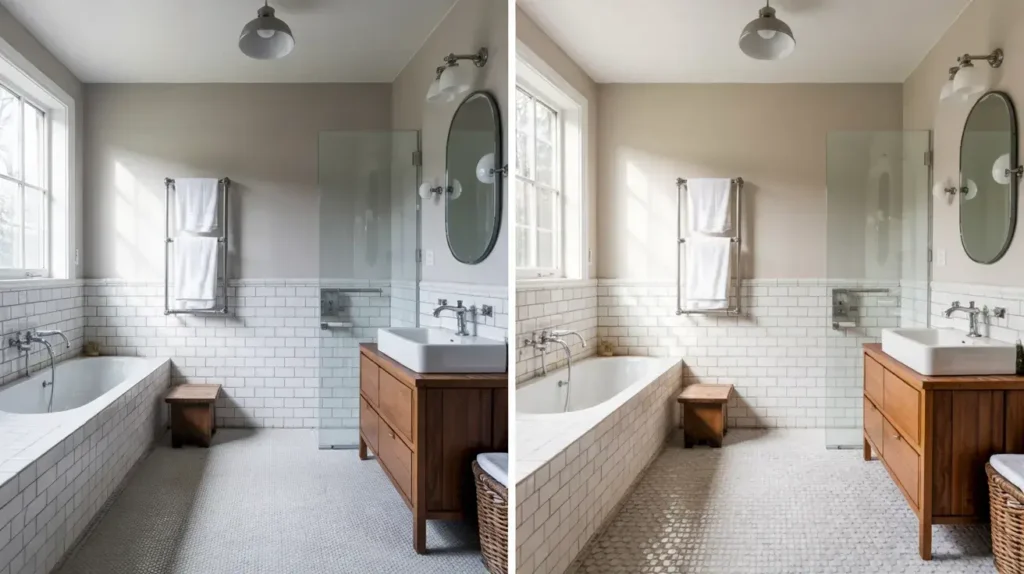
This debate is like asking whether coffee or tea is better—both are great, just different vibes.
Glossy Penny Tile:
Glossy finishes reflect light like nobody’s business, making your bathroom feel brighter and more spacious. They’re easier to clean because dirt doesn’t cling to the smooth surface as much. The downside? They can be slippery when wet, which is less than ideal for a bathroom floor.
I had glossy tiles in my first apartment, and while they looked amazing, I definitely had a few close calls after stepping out of the shower. Not cute.
Matte Penny Tile:
Matte finishes offer better traction and hide water spots and fingerprints better than glossy. They create a more subdued, sophisticated look that feels modern and intentional. The texture adds depth that glossy sometimes lacks.
The trade-off is that matte tiles require a bit more elbow grease during cleaning because the textured surface can trap dirt more easily.
My Two Cents:
For bathroom floors specifically, I’m team matte all the way. The safety factor matters more than the extra shine, and honestly, matte penny tile looks more expensive and designer-approved anyway.
Penny Tile Shower Floor vs Bathroom Floor
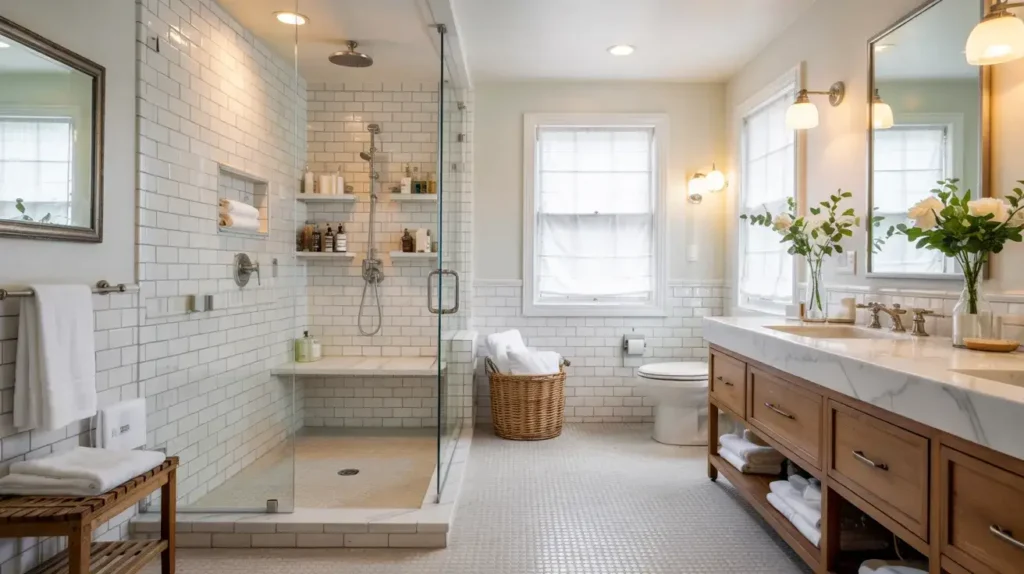
Should you use penny tile in both places, or mix it up? Let me break it down.
Why Penny Tile Rocks in Showers:
The natural slip resistance we talked about earlier? Even more crucial in a shower where water constantly flows. Penny tile is practically made for shower floors. The drainage is also fantastic because all those grout lines allow water to flow toward the drain easily.
Continuity vs Contrast:
Using the same penny tile in both your shower and on your bathroom floor creates a seamless, cohesive look that feels intentional and luxurious. It makes the bathroom feel larger and more unified.
But here’s another approach: use penny tile in the shower and a complementary larger tile on the rest of the bathroom floor. This creates visual zones and can actually make installation easier and more affordable since you’re not penny-tiling your entire bathroom.
Color Coordination:
If you go the mix-and-match route, make sure your colors play well together. White penny tile in the shower with gray large-format tiles on the floor? Beautiful. Random colors that clash? Not so much.
Affordable Penny Tile Bathroom Makeover Ideas
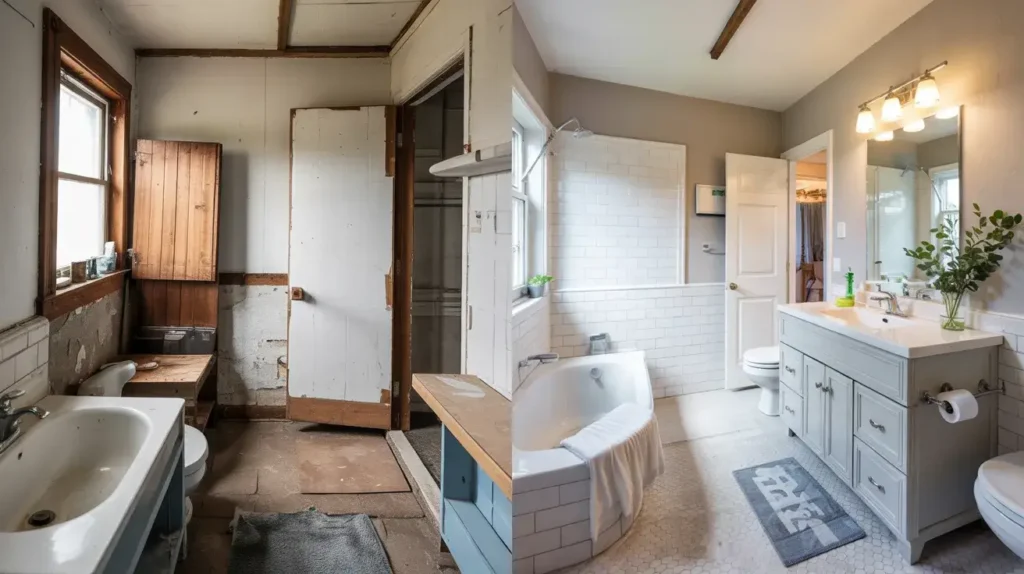
You don’t need a trust fund to get that penny tile look—you just need to be strategic.
Start Small:
Instead of doing your entire bathroom floor, create an accent area with penny tile. Do just the shower floor, or create a penny tile “rug” in the center of the bathroom with standard tiles around the perimeter. You get the luxe look for a fraction of the cost.
DIY the Installation:
If you’ve got patience (and I mean A LOT of patience), penny tile installation is doable for motivated DIYers. Watch some YouTube tutorials, buy the right tools, and give yourself plenty of time. Your labor is free, which saves a ton.
Shop Smart:
Check out discount tile stores, end-of-line sales, and online retailers. I found gorgeous penny tile on sale for 40% off once because they were discontinuing the color. One person’s discontinued is another person’s design win :/
Paint Your Grout:
Already have penny tile but the grout looks dingy? Grout paint costs like $15 and can completely transform your floor. It’s a weekend project that delivers serious impact.
Farmhouse Bathroom with Penny Tile Floor
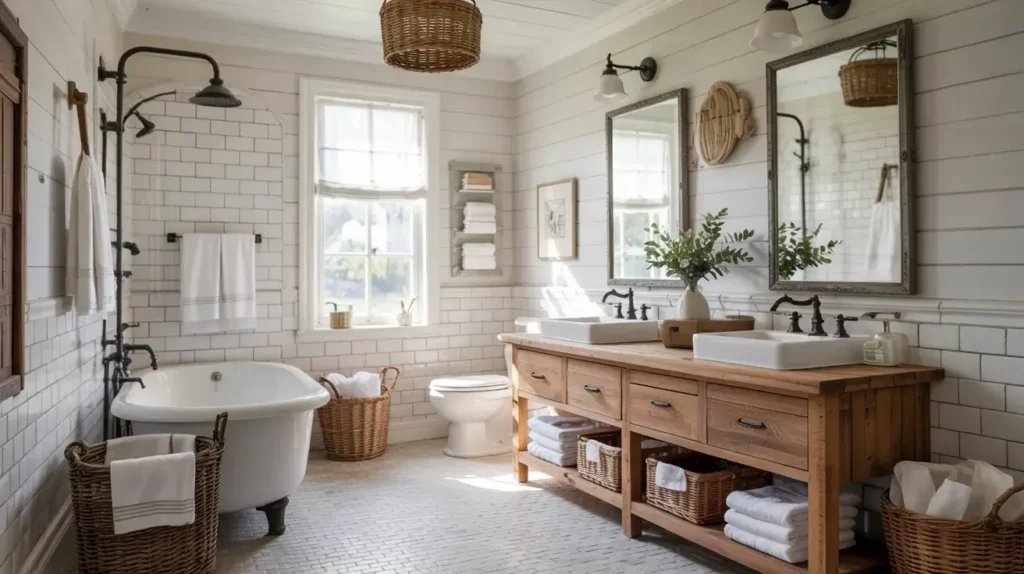
Penny tile and farmhouse style are basically soulmates—they just work together perfectly.
Classic White on White:
White penny tile with white grout creates that clean, fresh farmhouse aesthetic everyone loves. Pair it with shiplap walls, a vintage vanity, and oil-rubbed bronze fixtures, and you’ve got farmhouse perfection.
Warm Grout Tones:
Instead of stark white grout, try a warm cream or beige. This softens the look and adds that cozy, lived-in feel that farmhouse design is all about.
Wood Accents:
The contrast between penny tile floors and reclaimed wood elements (floating shelves, mirror frames, window trim) creates textural interest that’s peak farmhouse chic. I’ve seen this combo in real life, and it’s absolutely swoon-worthy.
Vintage-Inspired Colors:
Cream, sage green, or soft blue penny tiles give you farmhouse vibes with a little more personality than basic white. These colors feel timeless without being boring.
Also Read: 15 Elegant Black and White Tile Bathroom Decor Ideas
Bold Pattern Penny Tile Bathroom Floor Designs
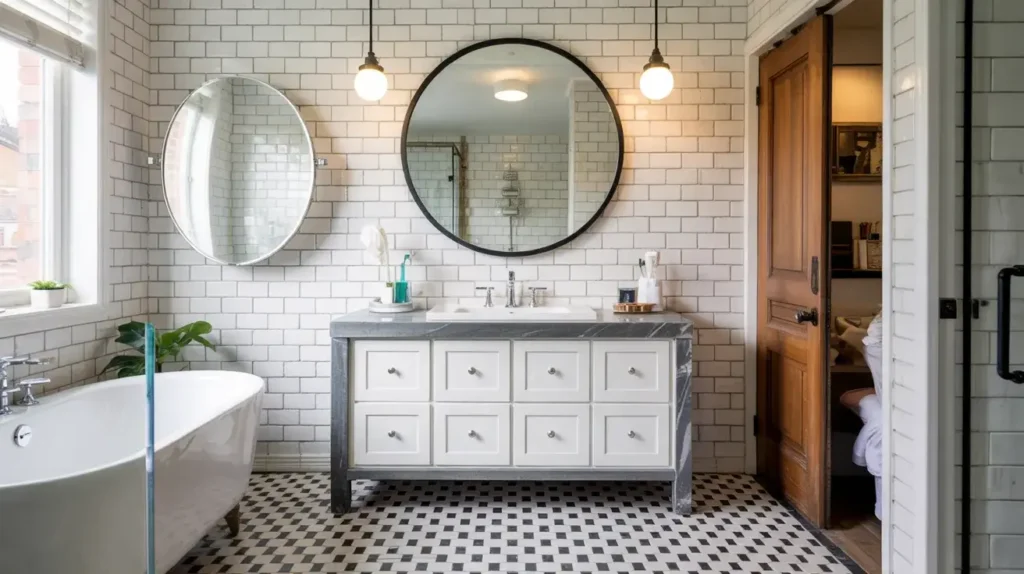
Ready to get a little wild? Let’s talk patterns that make a statement.
Rainbow Gradients:
Create a rainbow ombre effect that transitions from one color to another across your bathroom floor. Yes, it’s bold. Yes, it’s a commitment. But if you’re going to do it, commit fully—half-hearted rainbow is just confusing.
Geometric Shapes:
Use different colored penny tiles to create geometric shapes like triangles, diamonds, or chevron patterns. This requires serious planning and precision, but the payoff is incredible.
Floral or Medallion Designs:
Create a central medallion pattern using contrasting penny tile colors. Think of it like a tile mosaic that becomes the focal point of your bathroom. This works especially well in larger bathrooms where you have room to show off.
Mixed Materials:
Combine ceramic penny tiles with stone or glass penny tiles for texture variation that adds depth and luxury. The light hits different materials differently, creating this dynamic, high-end look.
White Penny Tile Bathroom Floor Inspiration
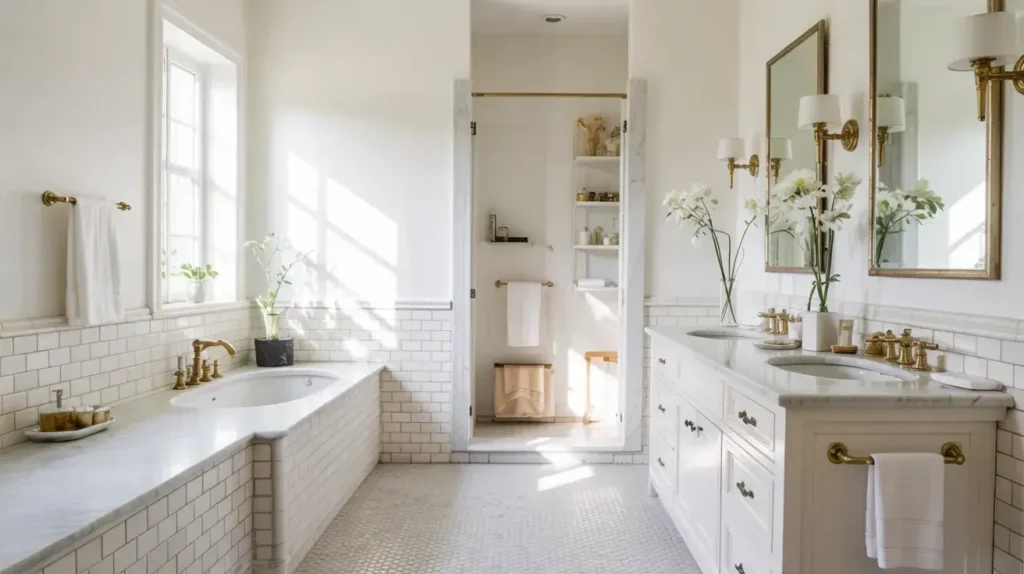
White penny tile is the MVP of bathroom floors—it’s versatile, timeless, and always looks good.
All-White Everything:
White penny tile floors with white walls and white fixtures create a clean, spa-like sanctuary. Add plants and natural wood accents to prevent it from feeling sterile. This look is foolproof and will never go out of style.
White with Colored Grout:
Here’s where you can have fun. White penny tile with navy, charcoal, or even blush pink grout creates interest without overwhelming the space. The white tiles keep it bright while the grout adds personality.
Marble Veining:
Some white penny tiles come with subtle gray marble veining that adds organic movement and prevents the floor from looking flat. This elevates the whole space without adding color.
Temperature Variations:
Not all white is created equal. Warm whites (with cream or beige undertones) feel cozy and inviting, while cool whites (with gray or blue undertones) feel crisp and modern. Choose based on the vibe you want.
Penny Tile Bathroom Floor Installation Guide
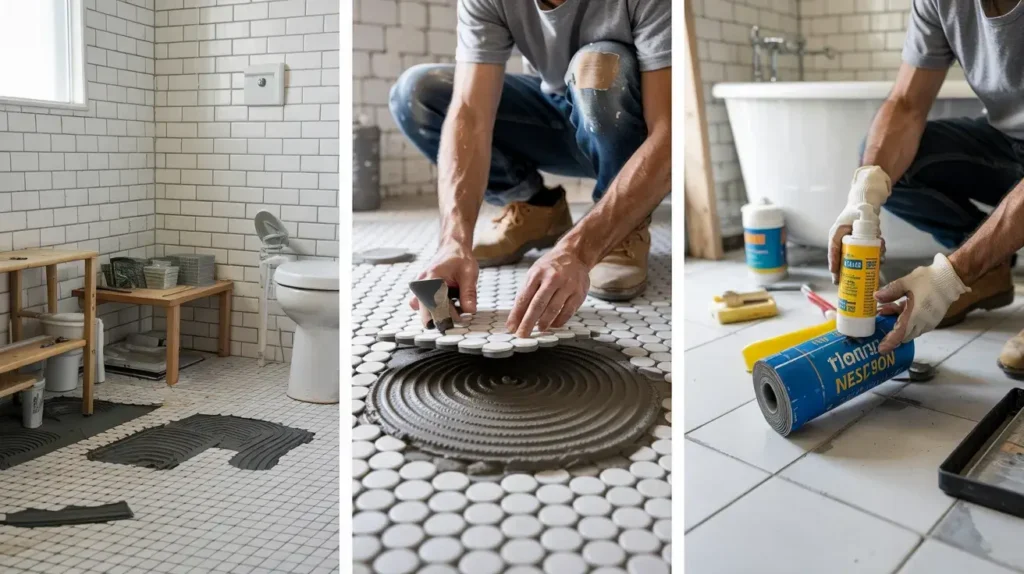
Okay, so you’ve decided to go for it. Here’s what you need to know.
Prep Work is Everything:
Your subfloor needs to be completely level, clean, and dry. Any imperfections will show through, trust me. Use a self-leveling compound if needed—it’s worth the extra step.
Materials You’ll Need:
- Penny tile sheets (they come in mesh-backed sheets, thank goodness)
- Thin-set mortar
- Grout
- Tile spacers
- Notched trowel
- Grout float
- Sponges and buckets
- Tile cutter or wet saw
- Knee pads (your knees will thank you)
The Process:
Start from the center of the room and work outward. Spread thin-set with your notched trowel, press the tile sheets firmly, and use spacers to maintain consistent gaps. Work in small sections so the mortar doesn’t dry before you place your tiles.
Cut edges carefully—penny tile sheets can be tricky to cut, so measure twice and cut once. Let everything set for at least 24 hours before grouting.
Grouting:
Mix your grout according to package directions and work it into all those tiny spaces with a grout float. Wipe away excess with a damp sponge, working diagonally to avoid pulling grout out of the lines. This step takes forever, so set aside a full day.
Seal the grout after it cures completely (usually 48-72 hours). This is non-negotiable if you want your floor to last.
Timeless Penny Tile Bathroom Floor Styles
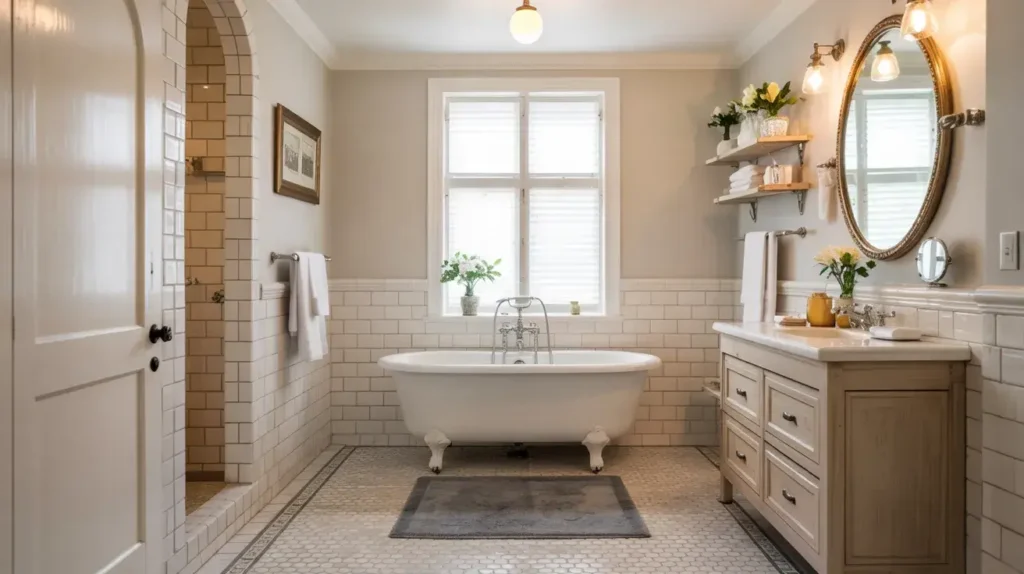
Some looks never go out of style, and these are it.
Classic White:
You literally cannot go wrong with white penny tile and white or light gray grout. This look has been popular for over a century and will continue to be. It’s the safest bet if you plan to sell your home or if you’re design-commitment-phobic.
Black and White Contrast:
High-contrast black and white penny tile has vintage appeal that transcends trends. It’s been cool since the 1920s and will still be cool in 2050.
Neutral Tones:
Beige, cream, greige, and soft gray penny tiles create a neutral foundation that works with any decor style. You can change your wall color, fixtures, and accessories without ever needing to redo the floor.
Subway Tile Partnership:
Pairing penny tile floors with classic white subway tile walls is a match made in design heaven. Both are timeless individually, and together they create a cohesive, traditional look that feels fresh.
Mistakes to Avoid with Penny Tile Bathroom Floors
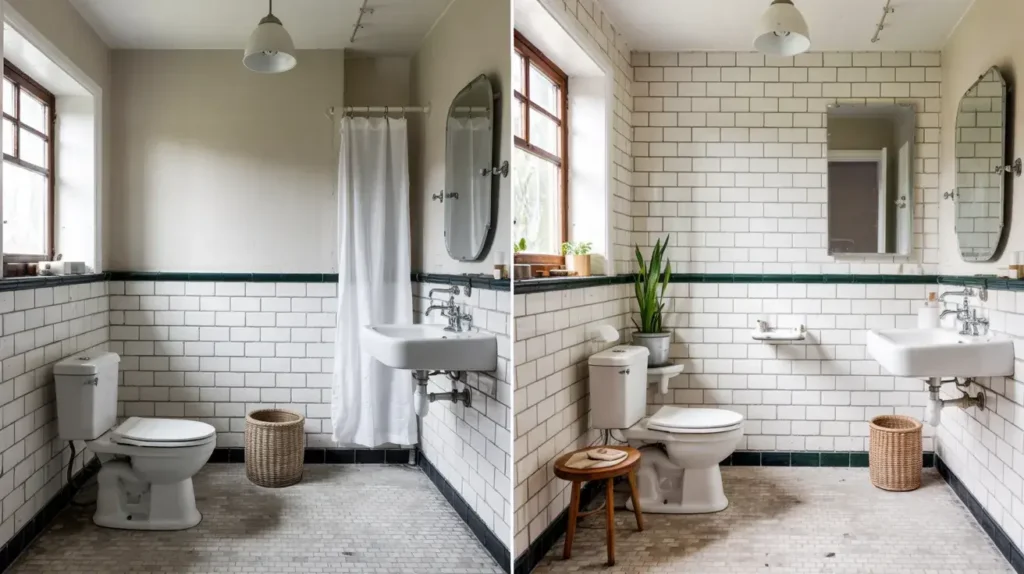
Learn from other people’s mistakes so you don’t have to make them yourself.
Skipping the Sealant:
I cannot stress this enough—seal your grout. Unsealed grout in a bathroom is basically inviting mold, mildew, and stains to move in permanently. Don’t skip this step, even if you’re exhausted from installation.
Choosing the Wrong Grout Color:
That bright white grout might look amazing on installation day, but if you have hard water or don’t clean religiously, it’ll look dingy in six months. Think practically about maintenance when choosing grout color.
Poor Ventilation:
Penny tile with all its grout lines needs proper ventilation to prevent moisture problems. Make sure you have a good exhaust fan that actually vents outside, not just recirculates air.
Ignoring Slope in Showers:
If you’re installing penny tile on a shower floor, make sure you have proper slope toward the drain. Water pooling on penny tile leads to soap scum buildup and potential mold issues.
Rushing the Installation:
Penny tile requires patience and precision. Rushing leads to uneven tiles, lippage (where edges don’t align), and grout lines that look sloppy. Take your time or pay a pro to do it right.
Not Buying Extra:
Always buy 10-15% more tile than you think you need. You’ll have waste from cuts, potential breakage, and you might want extra for future repairs. IMO, it’s better to have leftovers than to scramble trying to find matching tile years later.
Conclusion
Look, at the end of the day, penny tile bathroom floors are one of those rare design choices that deliver both beauty and function. Yeah, they require more maintenance than some alternatives, and yes, installation can be tedious. But the visual impact and timeless appeal make it totally worth it.
Whether you go classic white, moody black, or something completely bold and unique, penny tile has this way of making your bathroom feel intentional and luxurious. It’s that perfect balance between vintage charm and modern sophistication.
So go ahead—take that penny tile plunge. Your bathroom (and your feet on those non-slip surfaces) will thank you. And who knows? You might just find yourself staring at your floor like a weirdo too, appreciating all those perfectly round little tiles creating something beautiful.