Minimalist Summer Home Decor Ideas That Look Clean and Calm
- Seasonal Decor
 Alina
Alina- 0
- 12 minutes read


There’s a particular feeling to walking into a home in high summer when someone has done it right. The air feels lighter. Surfaces are clear, fabrics are pale and loose, and the whole place seems to exhale. Nothing shouts for attention. It’s the visual equivalent of stepping from glaring sun into cool shade, and lately it’s the look people chase the moment the season turns.
In short, minimalist summer decor isn’t about doing more for the season. It’s about taking the winter weight off and letting the home breathe.
But how do you shift a space into summer without buying a houseful of new things?
Interior stylist Coralie Fenwick, who restyles homes seasonally for a living, says the instinct to add is the first thing to resist. “Summer minimalism is a subtraction,” she says. “You pack away the heavy throws, the dark cushions, the clutter that accumulated over winter, and the room transforms before you’ve bought a single thing. People underestimate how much of the season is simply about removal.” The clean, calm look, she insists, starts with an empty basket and a willingness to put things away.
But where to start? The stylists who do this well return to the same handful of seasonal moves, each one quietly tipping a room toward summer.
Strip the layers back to the lightest version
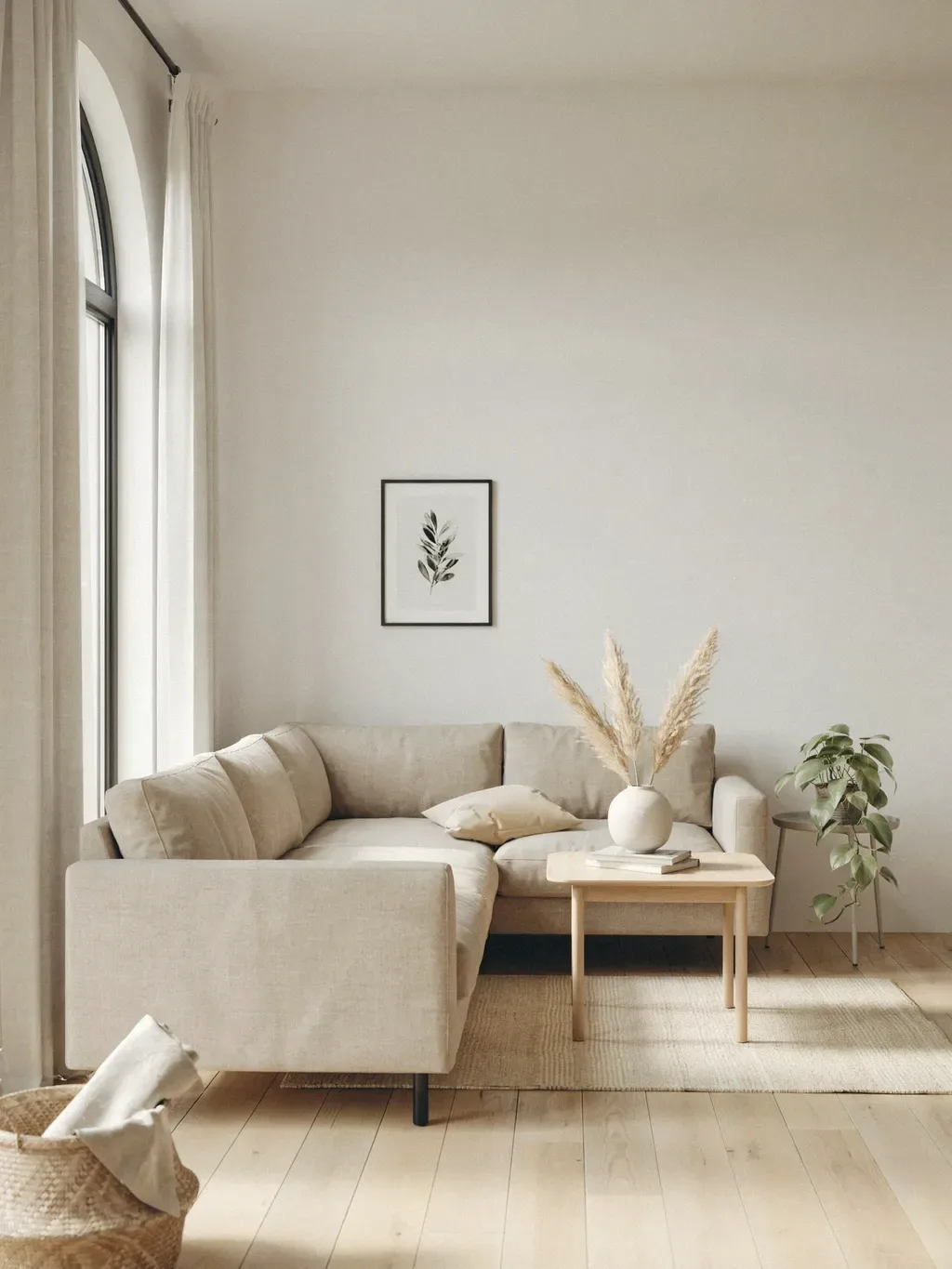
Winter rooms are built up in layers: the chunky knit throw, the velvet cushion, the heavy curtain. Summer asks you to peel those back to the lightest version of each. Swap wool for waffle cotton, velvet for washed linen, the dense rug for a flatweave or bare floor.
Fenwick treats it as a seasonal undressing. “You’re not redecorating, you’re changing the room into its summer clothes,” she says. “The same sofa with a linen cover and one pale cushion instead of five reads as a completely different piece.” The lightness is the point, because every layer you remove is a little more air and a little more calm.
Let the palette go pale and warm
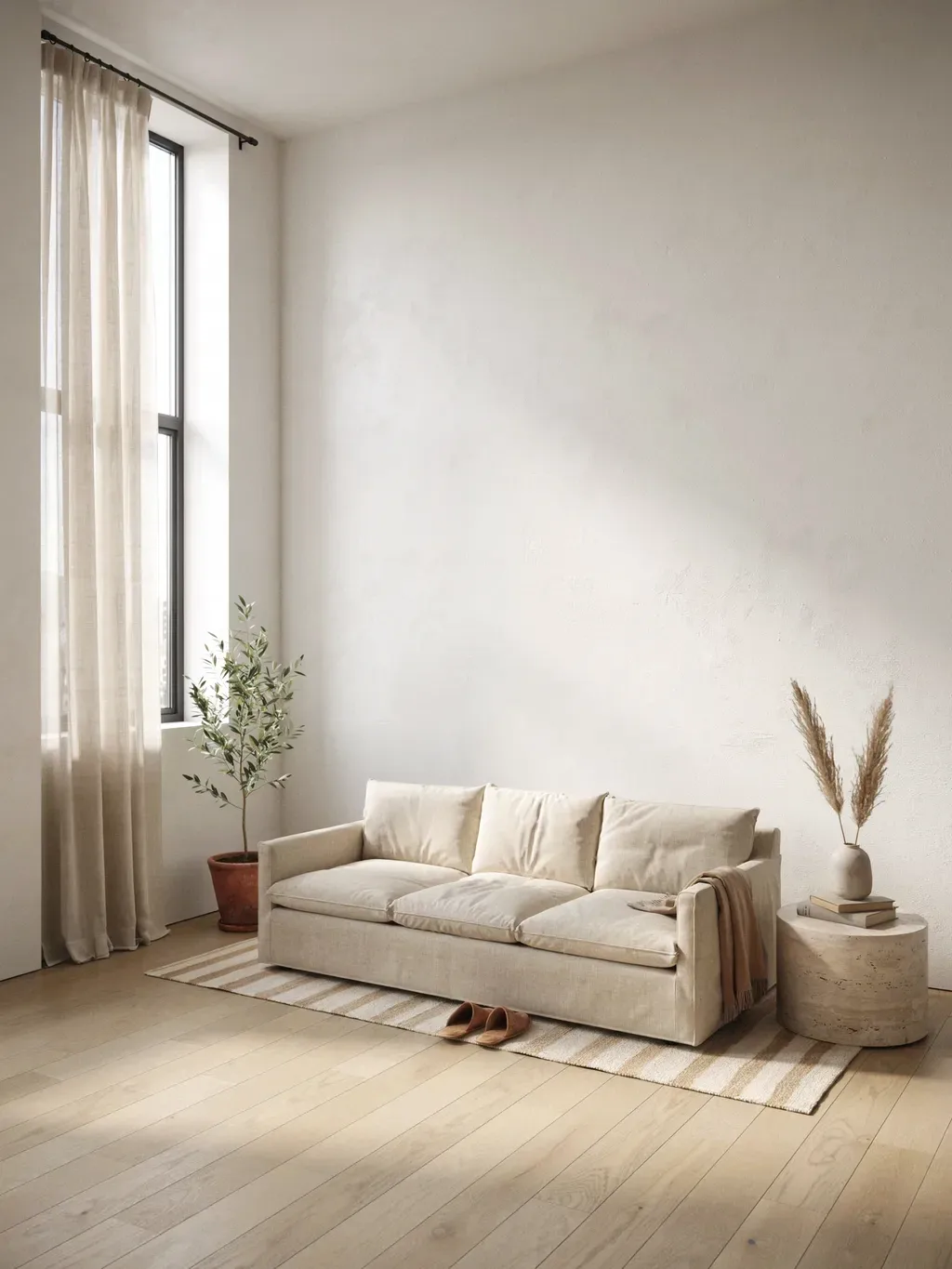
Minimalist summer rooms lean into a soft, sun-washed palette: chalky whites, sand, oat, the palest greens and blues. These tones reflect the long daylight and keep a room feeling cool even when the temperature climbs.
Colour consultant Mateo Reyes, who advises on seasonal palettes for homes, warns against cold white as the default. “People reach for stark white thinking it’s the clean choice,” he says. “But in summer light it can feel hard. A warm off-white or a soft sand holds the calm and adds a gentleness that pure white loses.” The trick, he adds, is tonal: a few shades of the same warm neutral so the eye drifts rather than stops.
Bring the daylight all the way in
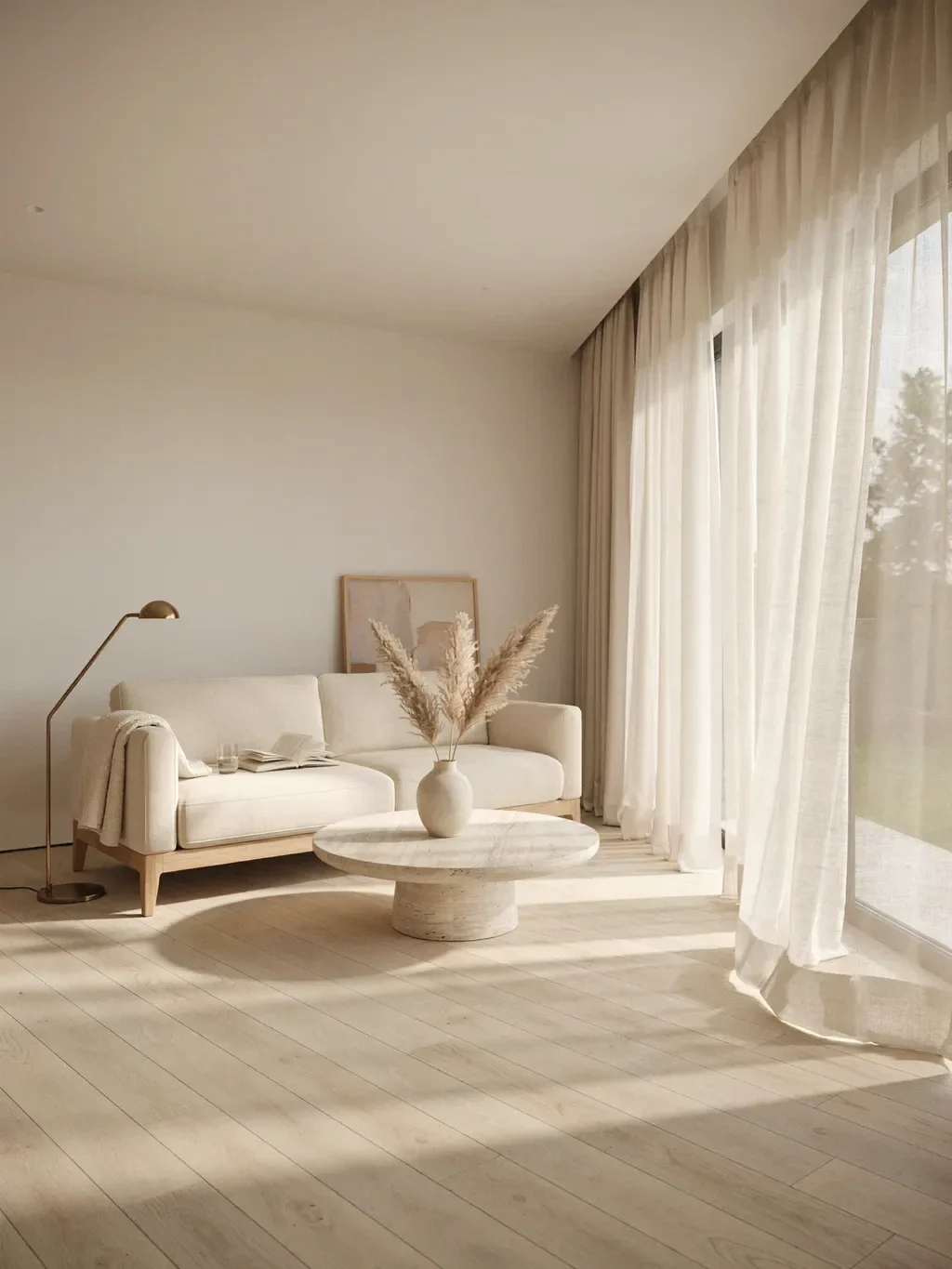
Summer’s greatest free asset is light, and minimalist decor is built to make the most of it. Pull back heavy drapes, swap them for sheer linen panels, and let the windows do the work. A room dressed for summer should feel like it’s borrowing the brightness outside.
Reyes points to sheers as the single highest-impact summer change. “A sheer linen panel diffuses harsh midday sun into a soft glow,” he says. “You keep the privacy and the light, and the fabric moves with any breeze, which makes the whole room feel alive.” Where curtains aren’t needed at all, leaving a window bare and clean is the most minimalist gesture of the lot.
Clear the surfaces and let them stay clear
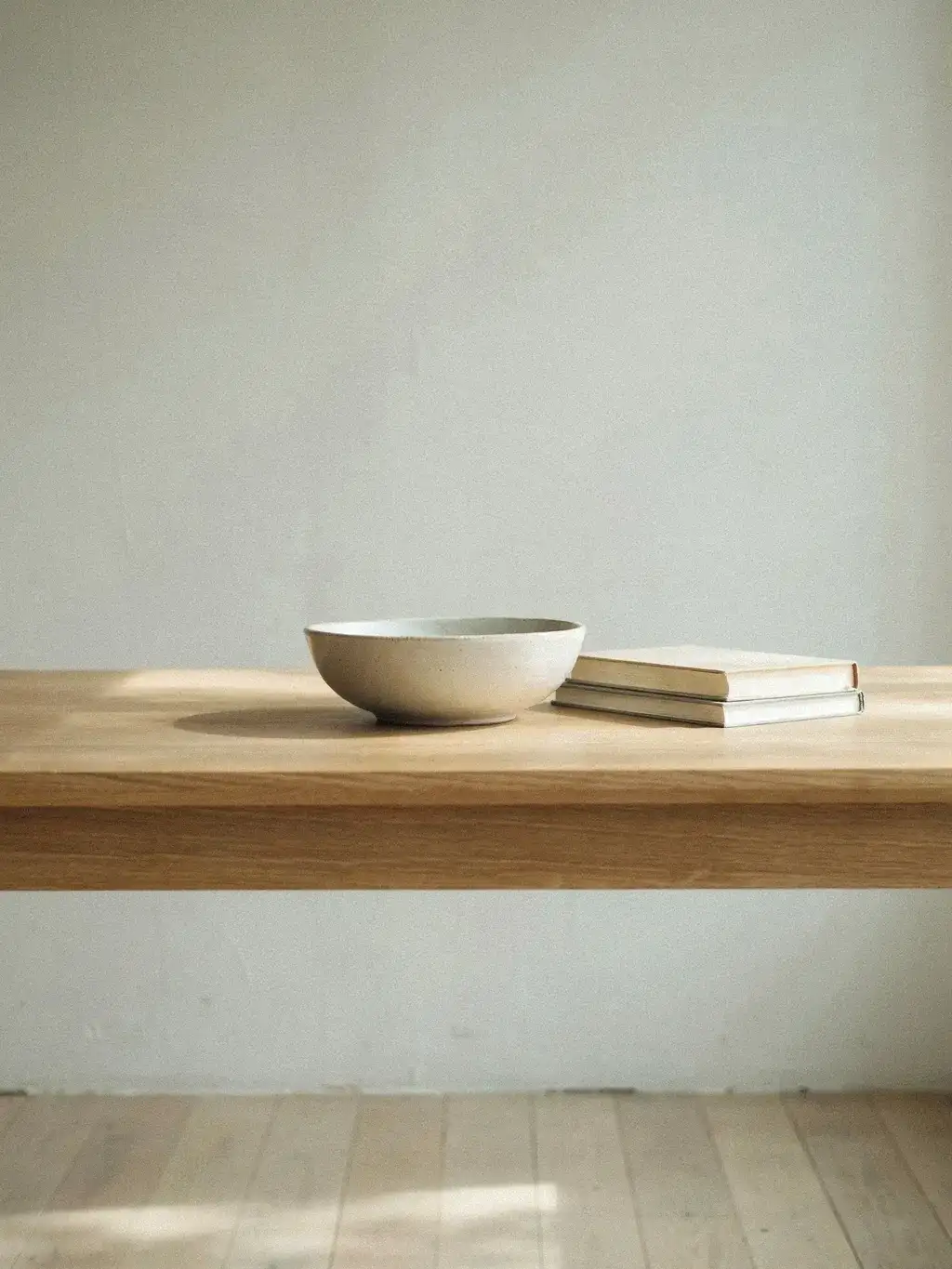
Nothing reads as calm like an empty surface. The fastest route to a minimalist summer home is simply editing what sits on tables, shelves, and counters down to a fraction of what was there.
Fenwick suggests a rule of one. “One beautiful object per surface, not a collection,” she says. “A single ceramic bowl, a stack of two books, a lone stem in a vase. The empty space around the object is what makes it feel considered.” In summer especially, she notes, clear surfaces catch the long light and keep dust and visual noise from building in the heat.
Add one living, seasonal note
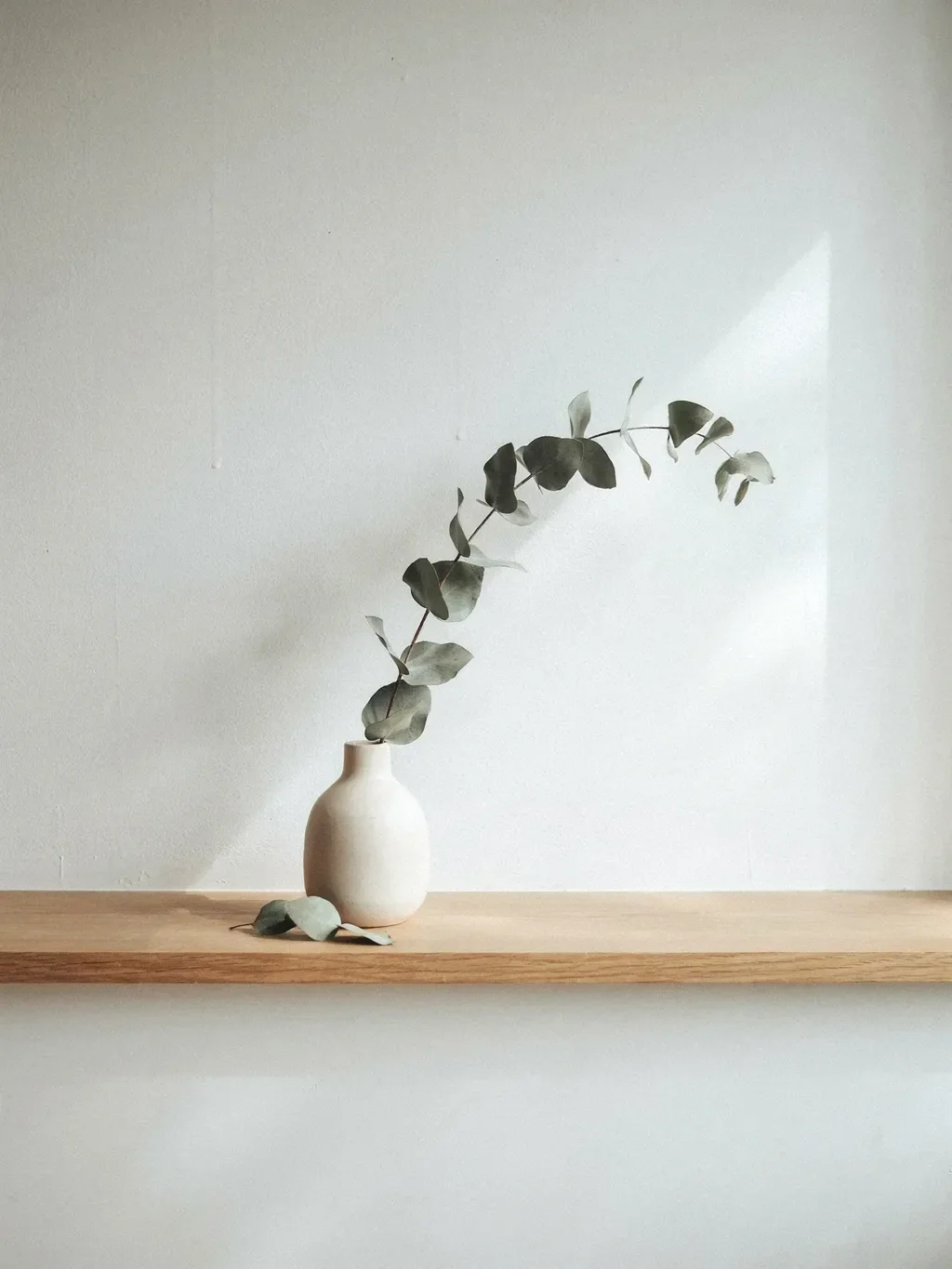
Minimalism in summer doesn’t mean sterile. The single touch that keeps a pared-back room from feeling cold is something living and seasonal, brought in with restraint.
Botanical stylist Imogen Hartley, who works with greenery in interiors, favours one generous gesture over many small ones. “A single tall branch of eucalyptus in a simple vase, or one olive tree in a corner, does more than a dozen little pots scattered around,” she says. “It brings the summer garden inside without cluttering the room.” The green reads as freshness, she adds, and it’s the cheapest, most seasonal way to make a minimalist room feel warm rather than empty.
Choose natural materials that age in the light
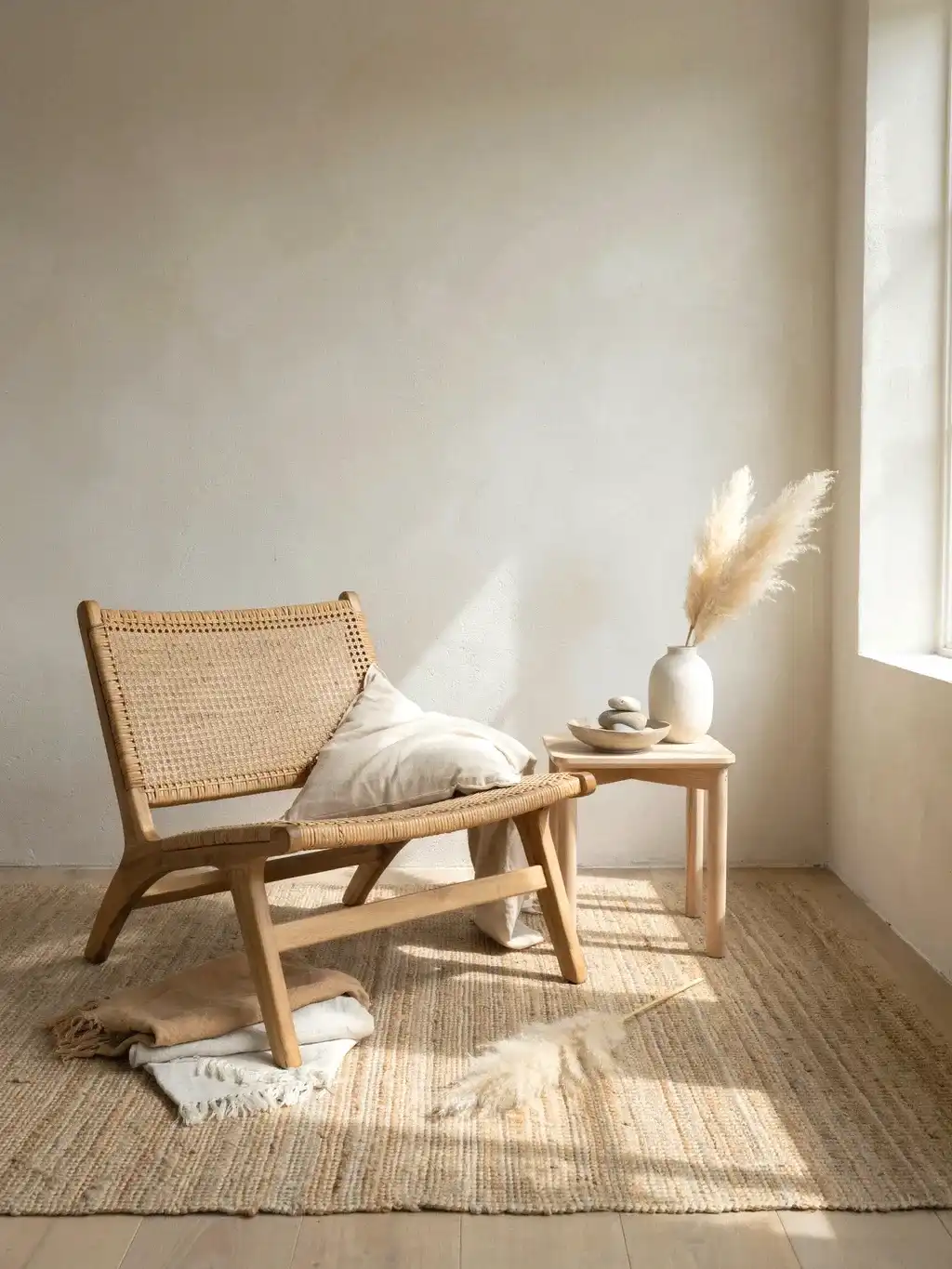
Summer decor loves materials that look better as the season warms them: pale timber, rattan, linen, unglazed ceramic, jute. They carry an inherent calm, and they soften the minimalism so it never tips into clinical.
Hartley describes them as the room’s quiet warmth. “Natural fibres catch summer light beautifully,” she says. “A jute rug, a rattan pendant, a linen cushion, none of it is loud, but together they make a pale room feel grounded and lived-in rather than staged.” The shared rule is texture over pattern: let the materials add interest so the colours can stay quiet.
Keep scent and sound part of the calm
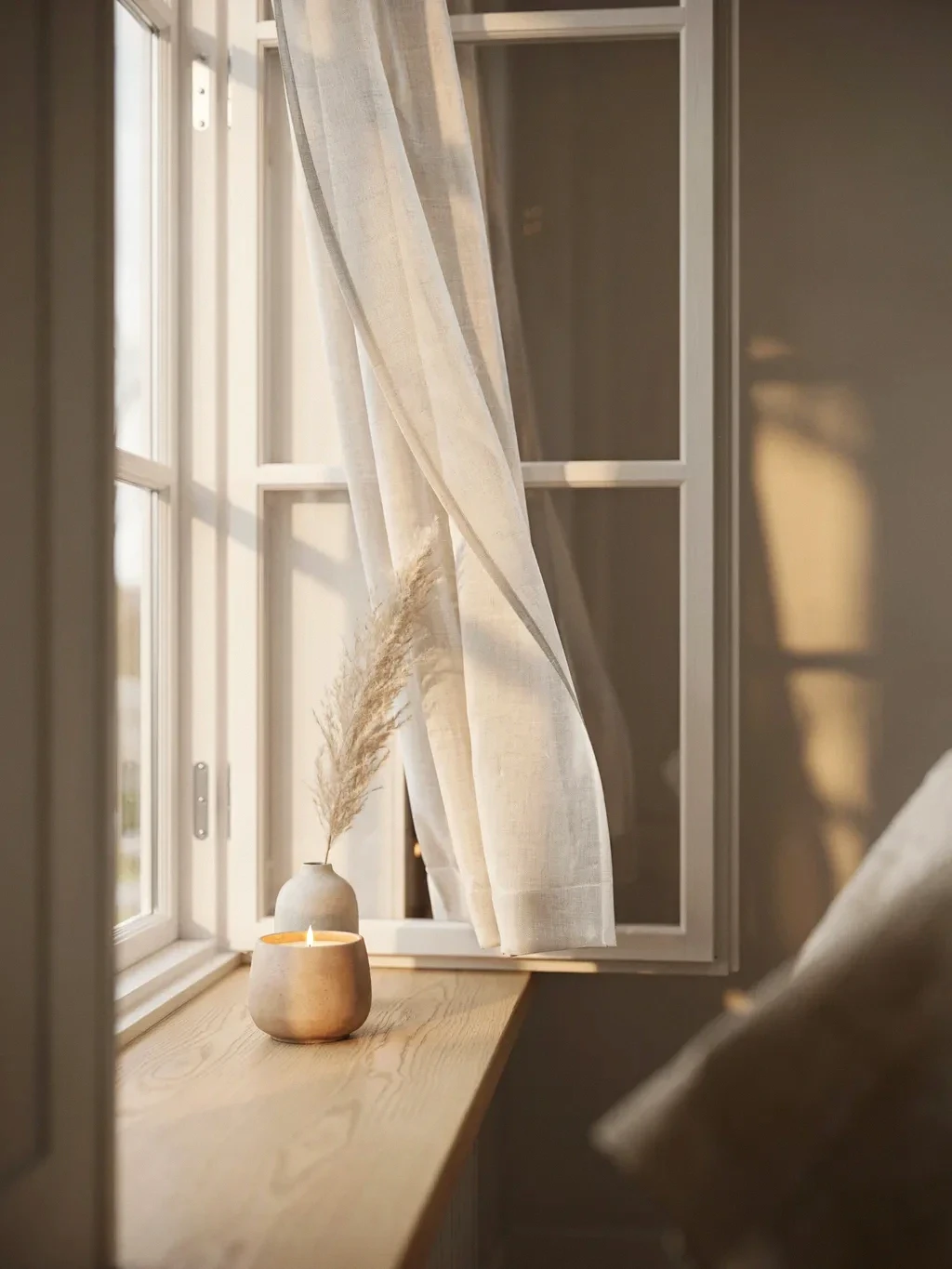
The most overlooked layer of a calm summer home isn’t visual at all. A minimalist room is the perfect canvas for a light seasonal scent and a quiet soundscape, and both cost little.
Fenwick treats them as the finishing notes. “Swap the heavy winter candle for something light, linen, sea salt, a green herb,” she says. “Open the windows in the evening and let the room cool and quiet. The calm you’re after isn’t only something you see. It’s something you feel the moment you walk in.” In a pared-back room, she notes, those subtle cues land all the more clearly because nothing else is competing for attention.
A Quieter Note on Less
What unites Fenwick, Reyes, and Hartley is a shared conviction that summer minimalism is less a style than a relief. Each returns, in their own words, to the same idea: the season is an invitation to take things away, and the calm everyone is chasing is simply what’s left once the excess is gone.
The minimalist summer home works because it stops trying so hard. It lightens the layers, warms the palette, lets the daylight pour in, clears the surfaces, and adds back only a single living note and the materials that catch the light. None of it requires a renovation or a full reset. It requires editing, and the confidence to leave a room emptier than instinct says you should.
A calm summer home, in the end, isn’t a busier home dressed for the season. It’s a quieter one, where less on the surface leaves more room for the light, the air, and the long easy feeling of summer to fill the space instead.


