Easy Summer DIY Projects That Are Fun and Creative
- DIY And Crafts Seasonal Decor
 Alina
Alina- 0
- 13 minutes read


Every summer I make a list of projects I’m definitely going to do. Every September I find the list. Most of it is untouched. The ones that actually get finished have something in common: they were a single afternoon, used materials I could buy in one trip, and didn’t require me to learn a new skill in the middle.
So here are nine summer DIY projects that have actually survived that test. None of them take a weekend. None of them need power tools beyond a basic drill. All of them ended up genuinely good, which is to say good enough that I still use the result.
1. A simple raised garden bed
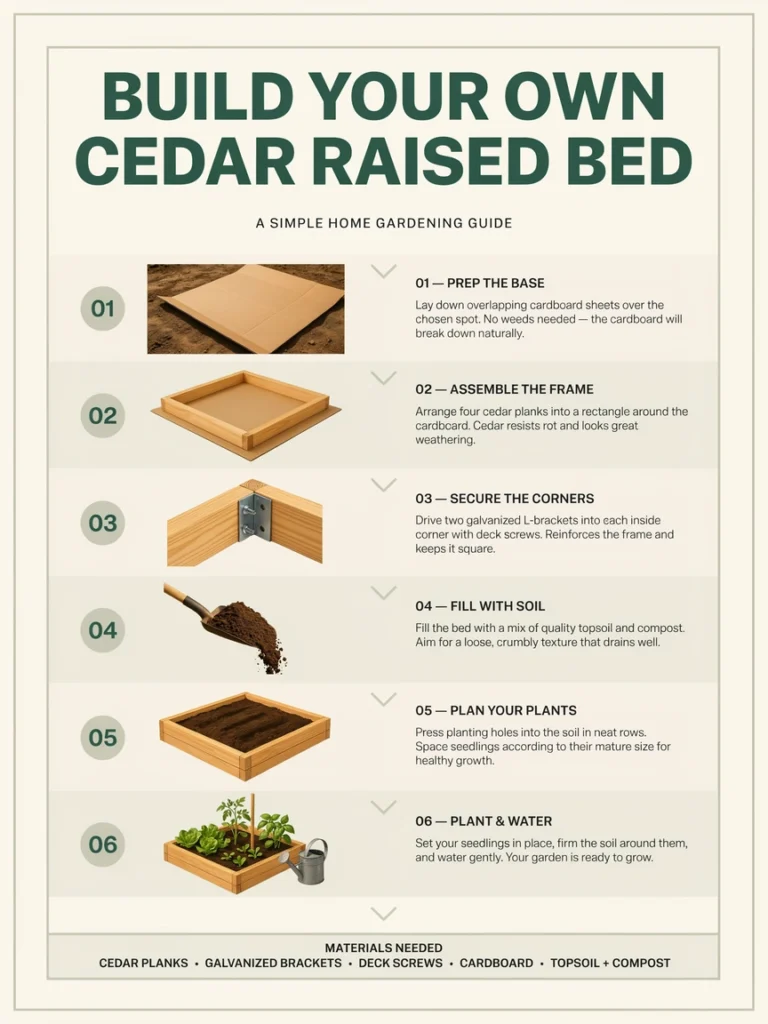
For anyone who’s wanted to grow vegetables but doesn’t have great soil, a raised bed solves it in an afternoon. Buy four cedar planks (around 8 inches by 6 feet, about £15 each), four corner brackets (£8 for a pack), and a bag of screws. Build a rectangle by screwing the planks into the brackets. Set it on top of a layer of cardboard wherever you want to grow, fill with topsoil mixed with compost.
You’ll eat tomatoes from this in roughly ten weeks. Total build time: under two hours. Total cost: around £80 including the soil.
2. A planter box for the patio
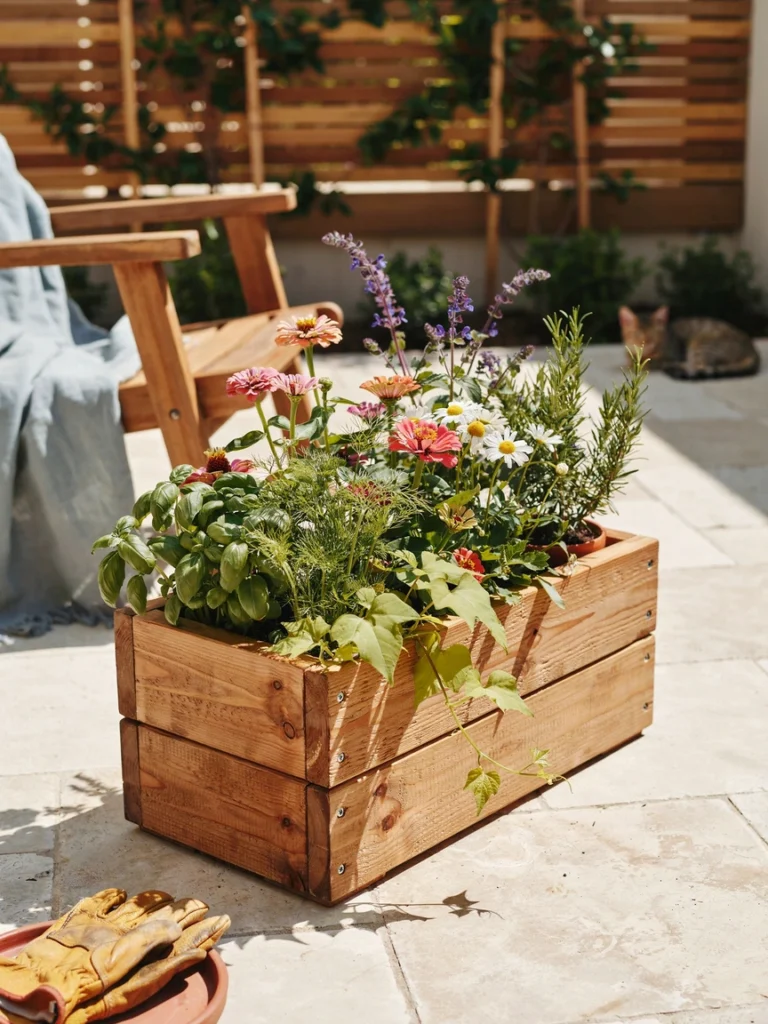
A smaller version, with the same logic. Six smaller cedar boards, corner brackets, screws, done. The trick is making it the right depth: at least 12 inches for most flowers and herbs, deeper for tomatoes.
The mistake I made the first time was using untreated pine because it was cheaper. The bottom rotted out within a season. Spend the extra five pounds on cedar or pressure-treated wood and the planter lasts five years instead of one.
3. Citronella candles in jars
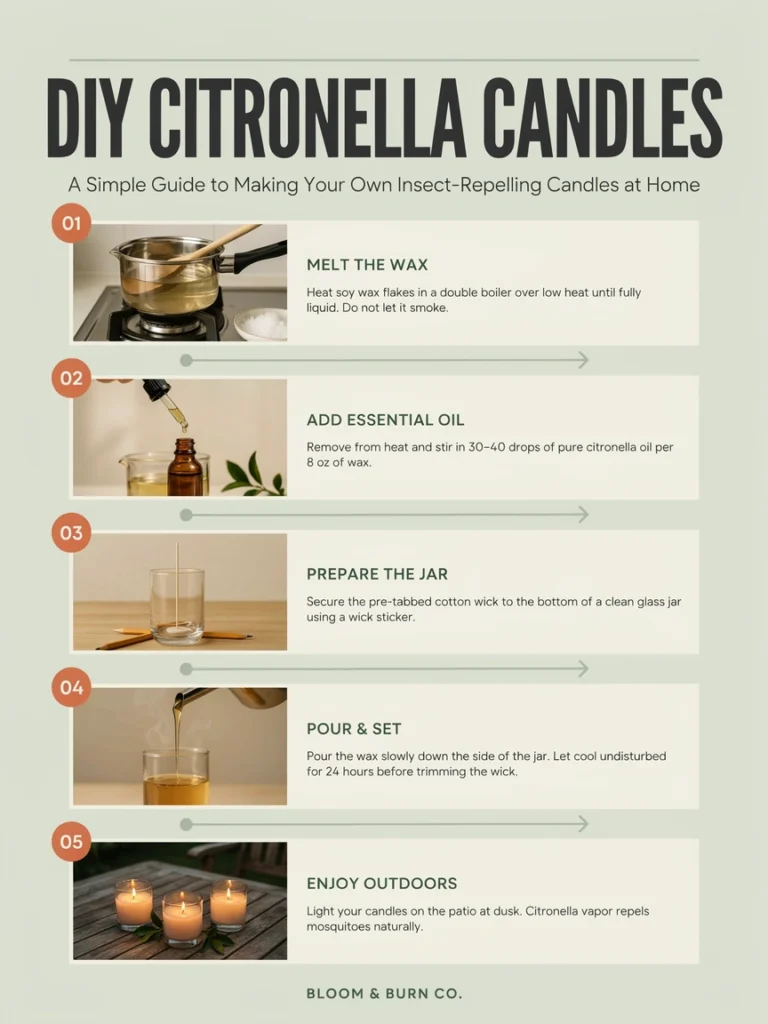
Genuinely easy and weirdly satisfying. Buy soy wax flakes, candle wicks with metal bases, and a small bottle of citronella essential oil. Melt the wax in a saucepan over low heat (or in a double boiler if you’re cautious), add about ten drops of citronella oil per cup of wax, anchor the wick at the bottom of a clean jam jar, and pour the wax in slowly.
Let them set overnight. The next evening you have a row of homemade outdoor candles that keep mosquitoes off the patio. Cost: about £15 for materials that make six jars.
4. A backyard movie screen

The trick is keeping it simple. A flat white sheet (a queen-size bedsheet works fine) attached to a basic frame made from PVC pipe or 2x4s, or just pinned tightly to the side of a shed or garage wall, makes an excellent outdoor projection screen.
Add a cheap portable projector (a decent one runs about £100), a Bluetooth speaker, and a string of fairy lights around the seating area. The first time you watch a film outside under the stars at your own house, you’re sold for life.
5. Mosaic stepping stones for the garden
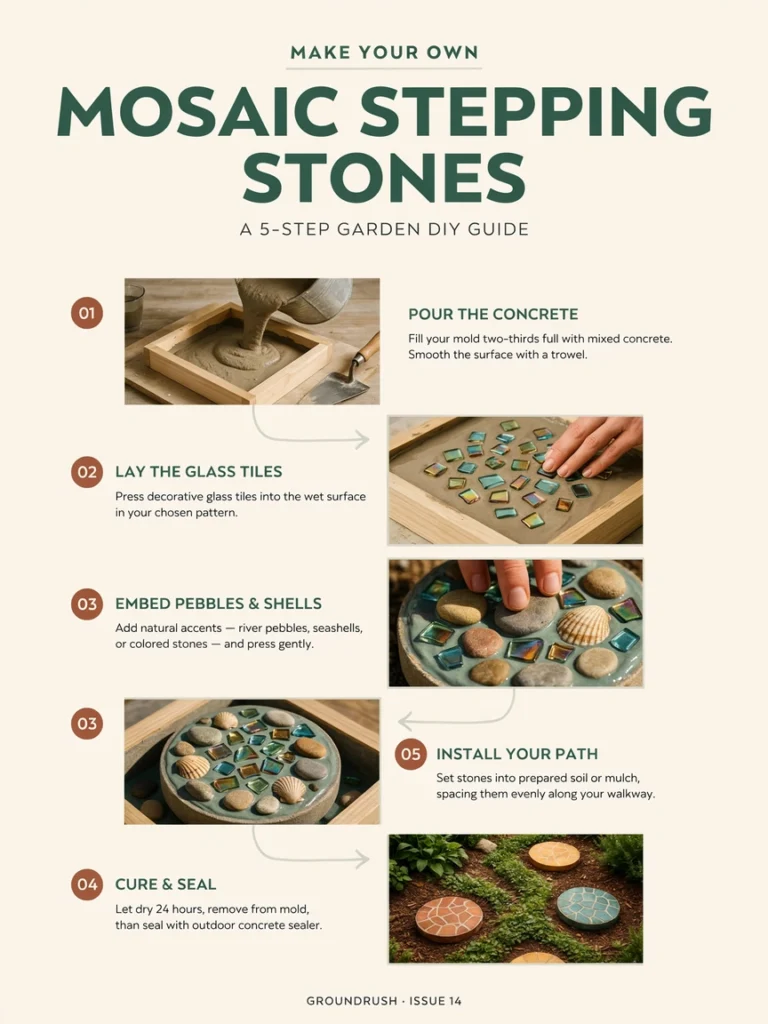
Buy a pack of round concrete stepping stone molds (£10 for a set of three) and a bag of quick-set concrete (£5). Mix the concrete with water to a thick batter, pour into the molds, and press in whatever you want to embed: glass tiles, pebbles, sea glass, shells, even old broken china.
Let them set for 24 hours, pop them out, and you have custom stepping stones for a garden path. Each one takes about ten minutes of active work.
6. Solar mason jar lanterns
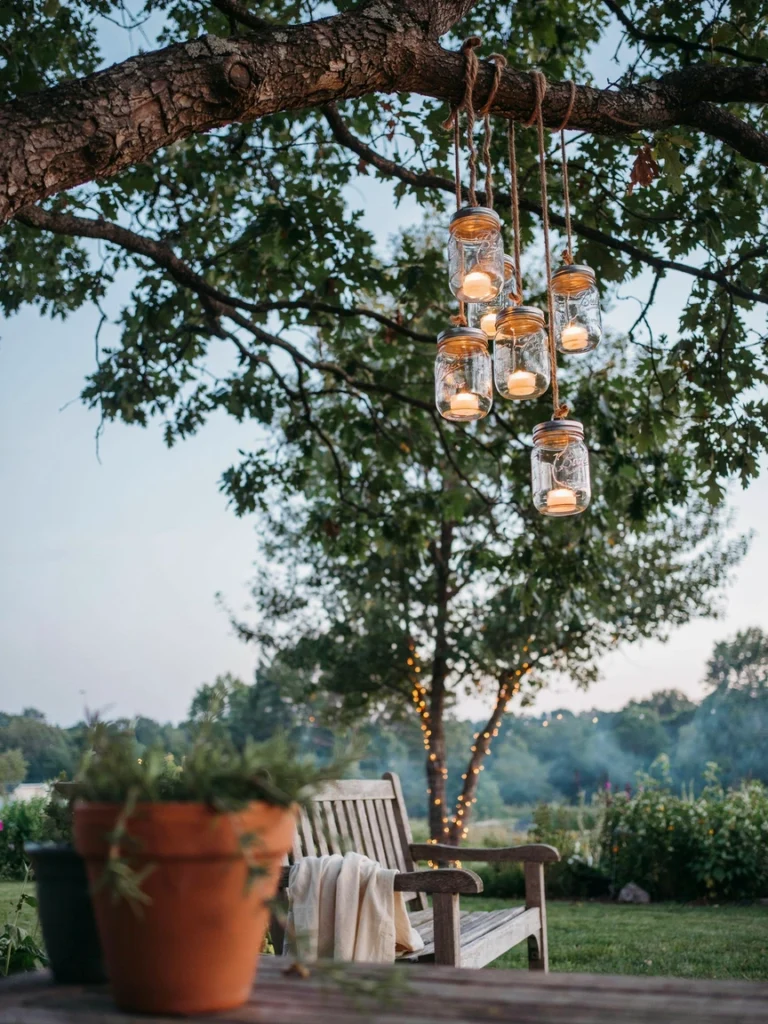
Different from the candle version. Buy a few jars and a pack of solar light discs (£3 to £5 each) that fit inside jar lids. The disc has a small solar panel on top and an LED underneath, and they charge during the day and glow at night.
Drop one into a clean jam jar, screw the lid on, and hang the jar from a tree branch or set it on an outdoor table. A row of these along a garden path, on a fence, or in the corners of a patio gives that fairy-light glow without any wiring.
7. Beeswax wraps for picnics
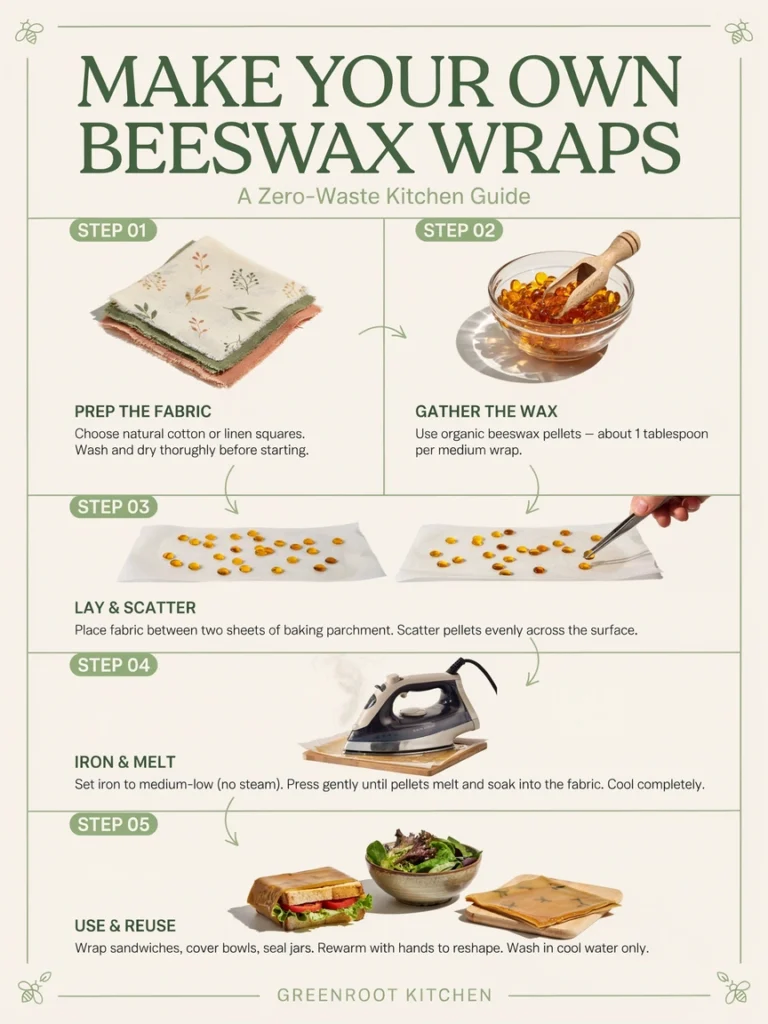
The reusable food wrap that replaces cling film. Cut squares of pure cotton fabric (about 25cm by 25cm for a small wrap), sprinkle with beeswax pellets (around £5 a bag online), and iron between two sheets of baking parchment until the wax melts and saturates the fabric.
Cool flat, peel off the parchment. The wrap is reusable for about a year. It wraps sandwiches, covers bowls, holds cheese. A set of three or four is genuinely useful for outdoor meals.
8. Tie-dye

The most reliably fun summer DIY there is. Buy a kit (about £15 for one with three or four colors and rubber bands), or use individual dye bottles for more control. Take any plain cotton item (t-shirts, pillowcases, an old sheet, tote bags), wet it, twist or scrunch into patterns, secure with rubber bands, and squirt the dyes on.
Let it sit for 24 hours wrapped in plastic, rinse until the water runs clear, wash, dry. The result is always more interesting than you expected. A few hours of work yields a small pile of summer wardrobe.
9. Real-fruit popsicles

Hardly counts as DIY, but earns its place because the result tastes genuinely better than anything you buy. Buy silicone popsicle molds (about £8). Blend any combination of fresh fruit with a little juice or coconut water, pour into the molds, freeze overnight.
Strawberry-lemonade is unbeatable. Mango with a splash of lime is close behind. Watermelon-mint works astonishingly well. The total cost is the cost of the fruit, and you skip all the sugar and additives of the shop versions.
A few practical things before you start any of these
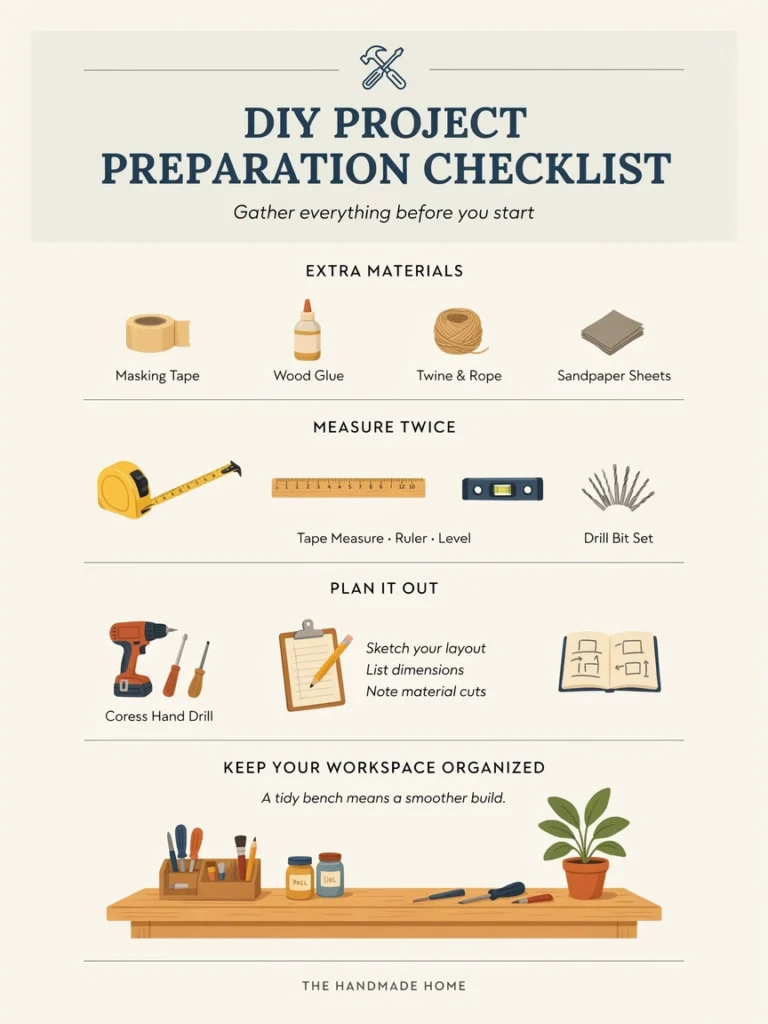
Things I’ve learned, the hard way:
- Buy slightly more material than you think you need. Returning to the shop mid-project is a project-killer.
- Read the whole tutorial before starting. The mistake is always made in the bit you didn’t read because you “already knew.”
- Do the boring prep work first. Sanding, taping, measuring. Skipping it costs you more time at the end.
- Have a plan for where the finished thing will live before you make it. The number of homemade items that end up in a drawer is sobering.
What these projects have in common
A clear, useful outcome you’ll keep using. The raised bed grows food. The planters grow flowers. The candles burn. The screen plays films. The wraps wrap food. The popsicles get eaten in July afternoons.
The summer DIY projects that fail are the ones that produce a decorative object you don’t really need, or require a skill you don’t have. The ones that work give you something you’ll actually use, and they do it in an afternoon.
The list I make every spring? I’m at five out of nine this year, which is a record. The other four can wait until next summer, when I’ll inevitably write the same list again.


